

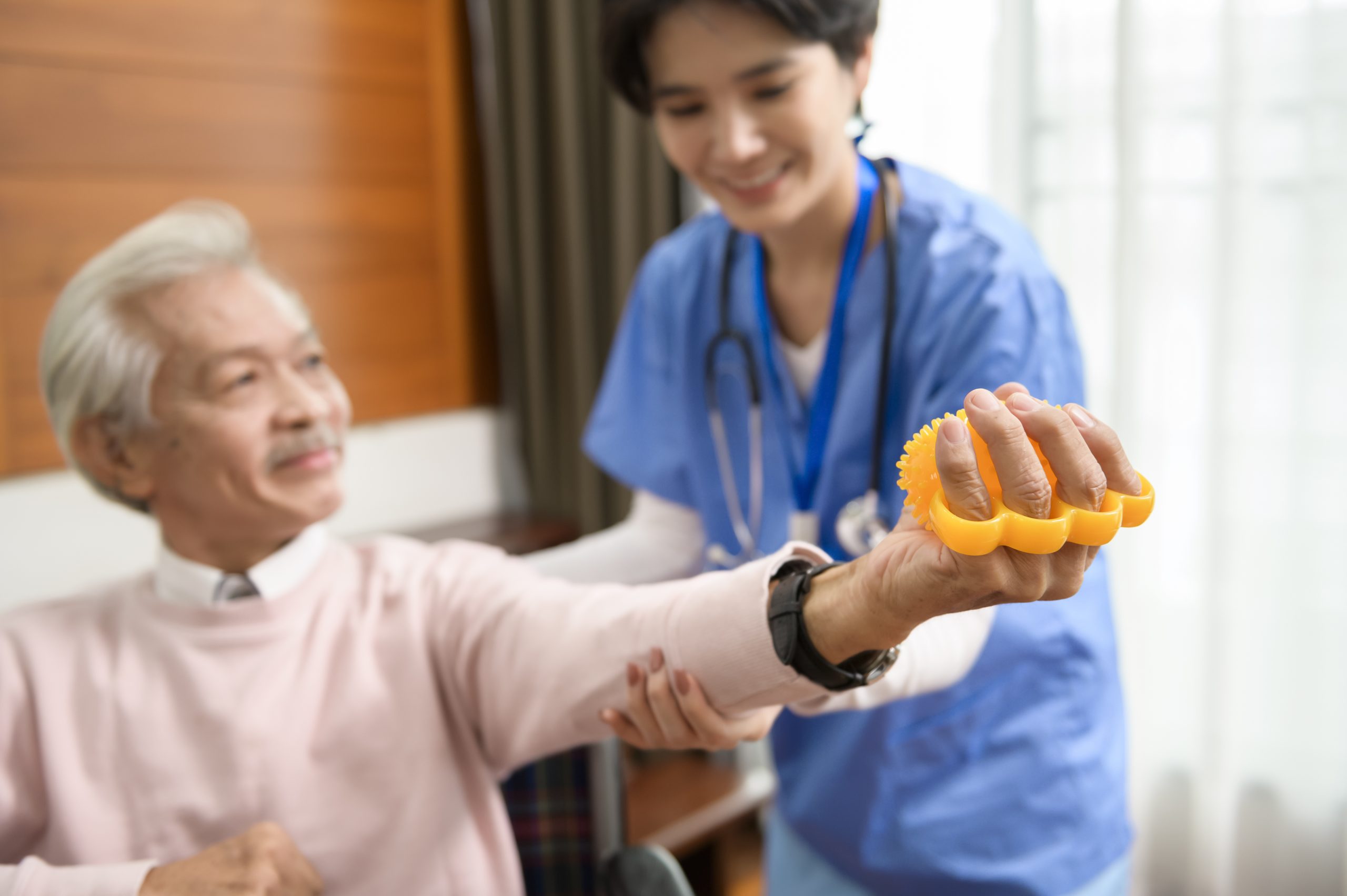

Stiff fingers after a stroke are a common impairment in people with upper-limb involvement following a stroke. Stiffness can make it difficult to open and close the hand, restrict fine motor movements, and reduce the ability to perform everyday tasks.
This impairment may develop during the first few weeks after a stroke or progressively emerge as changes in muscle tone and hand mobility evolve.
Not everyone experiences the same degree of stiffness. In some cases, only one or two fingers are affected, while in others the entire hand may be involved.
What causes finger stiffness after a stroke?
A stroke can disrupt the neural pathways responsible for controlling voluntary hand movements. As a result, some muscles may remain contracted for longer than normal, while others may lose strength or coordination.
The most common causes include:
- Spasticity of the hand flexor muscles.
- Altered muscle tone.
- Upper-limb weakness.
- Reduced voluntary movement.
- Changes in tendons and soft tissues.
- Muscle contractures.
- Prolonged reduction in mobility.
In many people, finger stiffness results from a combination of several of these factors.
Symptoms of stiff fingers after a stroke
The severity of symptoms can vary considerably from person to person.
The most common signs include:
- Difficulty fully extending the fingers.
- A sensation of stiffness in the hand.
- Involuntary closing of the hand.
- Reduced finger mobility.
- Slowness of movement.
- Difficulty grasping or releasing objects.
- Reduced precision during fine motor movements.
- A sensation of tightness in the palm of the hand.
In some cases, stiffness occurs only during certain movements, while in others it persists even when the hand is at rest.
Is stiffness always caused by spasticity?
Although spasticity is one of the most common causes, stiff fingers after a stroke may also result from other changes affecting the muscles, tendons, joint capsules, and soft tissues.
In addition, prolonged immobility can contribute to a progressive loss of tissue elasticity, increasing movement limitations over time.
For this reason, stiffness may have a multifactorial origin.
Which fingers are most commonly affected?
There is no single pattern, although stiffness often primarily affects the long fingers of the hand.
Common findings include:
- Difficulty fully extending all the fingers.
- Persistent flexion of the index, middle, ring, and little fingers.
- The thumb resting against the palm.
- Partial or complete closure of the fist.
The distribution may vary depending on the location of the brain injury and the degree of motor impairment.
How does stiffness affect hand function?
Finger mobility is essential for performing precise movements and manipulating objects.
When stiffness develops, it may affect activities such as:
- Writing.
- Holding a glass.
- Buttoning a shirt.
- Using cutlery.
- Opening a door.
- Using a mobile phone.
- Grasping small objects.
The functional impact will depend on the severity of the stiffness and the degree of mobility preserved in the hand.
How is it diagnosed?
Diagnosis is based on a clinical examination of the upper limb and hand.
During the assessment, the following aspects are typically evaluated:
- Muscle tone.
- Active range of motion.
- Passive range of motion.
- Hand strength.
- Movement coordination.
- Presence of spasticity.
- Functional capacity of the fingers.
In some cases, clinical scales may also be used to assess the severity of increased muscle tone and monitor its progression over time.
Treatment of stiff fingers after a stroke
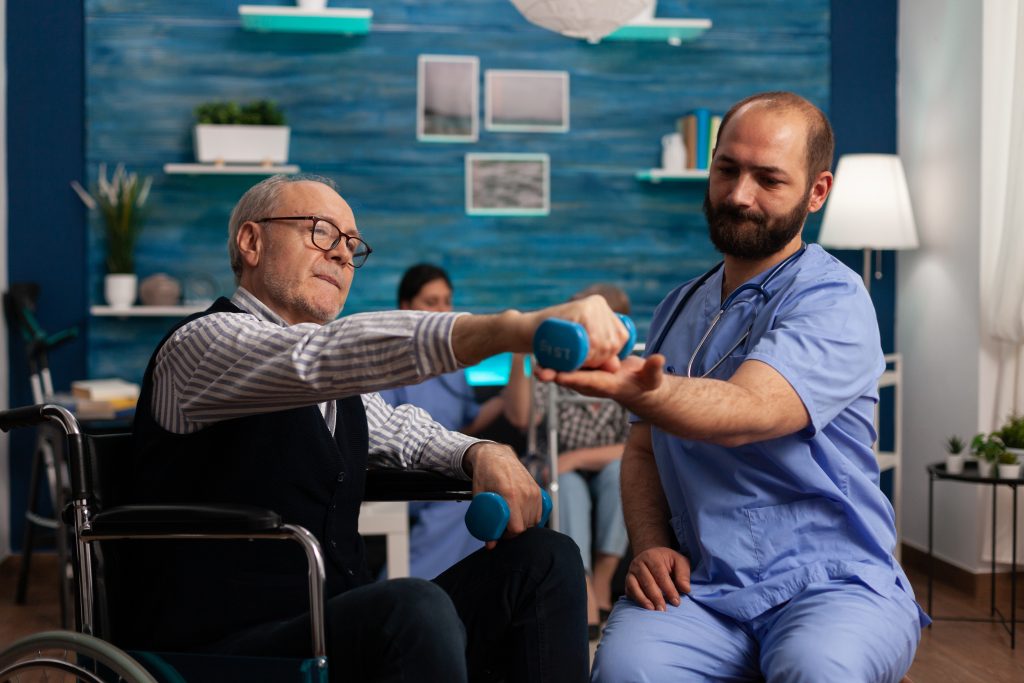
Treatment depends on the predominant cause and the degree of functional impairment.
Therapeutic strategies may include:
Physical rehabilitation
Rehabilitation programs focus on improving hand mobility, finger coordination, and recovery of upper-limb function through specific exercises.
Occupational therapy
Occupational therapy focuses on improving the practical use of the hand during activities of daily living and promoting the recovery of manual dexterity.
Potential complications
When stiffness persists for prolonged periods, various functional impairments may develop.
The most common include:
- Permanent finger contractures.
- Reduced range of motion.
- Decreased manual dexterity.
- Difficulty maintaining hand hygiene.
- Limited ability to grasp objects.
- Partial loss of hand function.
The severity of these complications varies depending on each individual’s clinical progression.
Can finger stiffness improve?
The progression of stiff fingers after a stroke varies considerably from person to person.
Some people experience a gradual reduction in stiffness as motor control improves during neurological recovery. In other cases, the limitation may persist for months or even years.
Factors such as stroke severity, the location of the brain lesion, the presence of spasticity, and the functional recovery of the upper limb can influence the progression of this impairment.
Conclusion
Stiff fingers after a stroke are a common manifestation of the motor impairments that may develop following a stroke. They are typically associated with changes in muscle tone, spasticity, weakness, and impaired motor control. Their severity can range from mild limitation to significant impairment of hand function, affecting the ability to perform numerous activities of daily living. Understanding the causes and progression of this impairment provides greater insight into one of the most common upper-limb problems encountered during post-stroke recovery.
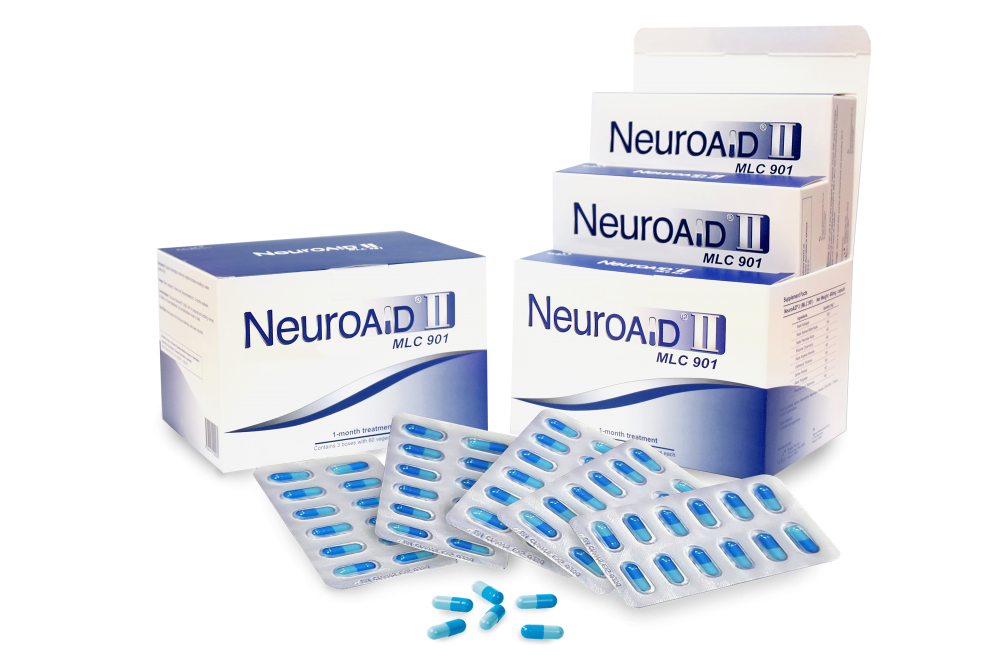
If you would like information about NeuroAiD II, please complete this contact form
"*" indicates required fields


