
Stroke in people over 80 is one of the leading causes of disability and hospitalization in this age group. As people age, the risk of stroke increases due to factors such as high blood pressure, diabetes, cardiovascular disease, and other age-related changes.
Although a stroke can have serious consequences, early diagnosis and timely treatment can improve the prognosis and support better recovery.
Why does the risk increase after the age of 80?
Age is one of the main risk factors for stroke. Over time, blood vessels can become stiffer, and conditions that increase the risk of blood clots or bleeding in the brain become more common.
The most common risk factors include:
- High blood pressure.
- Diabetes.
- High cholesterol.
- Atrial fibrillation.
- Cardiovascular disease.
- Smoking.
- Physical inactivity.
The presence of several of these factors further increases the risk of stroke.
Symptoms of stroke in older adults
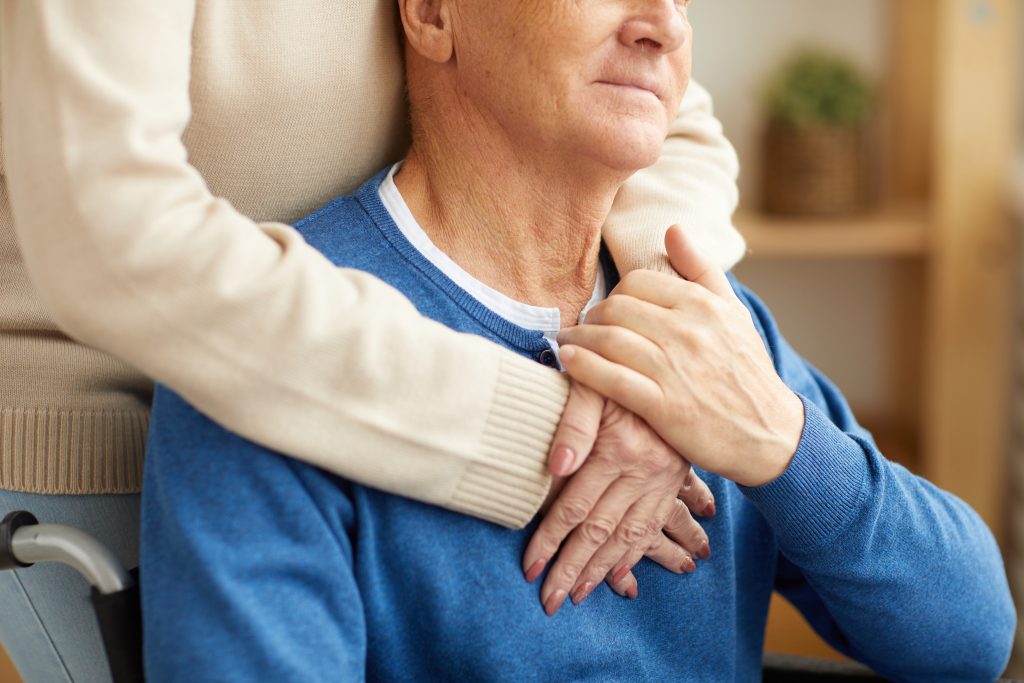
Los síntomas son similares a los que pueden aparecer a cualquier edad, aunque en las personas mayores pueden confundirse con otros problemas de salud.
Los signos más frecuentes incluyen:
- Debilidad o pérdida de fuerza en un lado del cuerpo.
- Dificultad para hablar o comprender el lenguaje.
- Desviación de la boca.
- Pérdida repentina de visión.
- Problemas para caminar o mantener el equilibrio.
- Confusión o alteración del estado de conciencia.
Ante cualquiera de estos síntomas es fundamental solicitar atención médica inmediata.
Treatment
Treatment depends on the type of stroke and the time elapsed since the onset of symptoms.
During the acute phase, the goal is to limit brain damage and prevent complications. Subsequently, treatment usually focuses on controlling risk factors and starting a rehabilitation program tailored to the patient’s needs.
Age alone does not determine treatment. Decisions are based on the patient’s clinical condition, previous functional status, and the assessment performed by the medical team.
What is recovery like?
Recovery after a stroke in people over 80 varies considerably. Some people regain a significant degree of independence, while others may require assistance with everyday activities.
Rehabilitation may include:
- Physiotherapy.
- Occupational therapy.
- Speech therapy.
- Cognitive rehabilitation when necessary.
Starting rehabilitation as early as possible can help promote functional recovery.
Can another stroke be prevented?
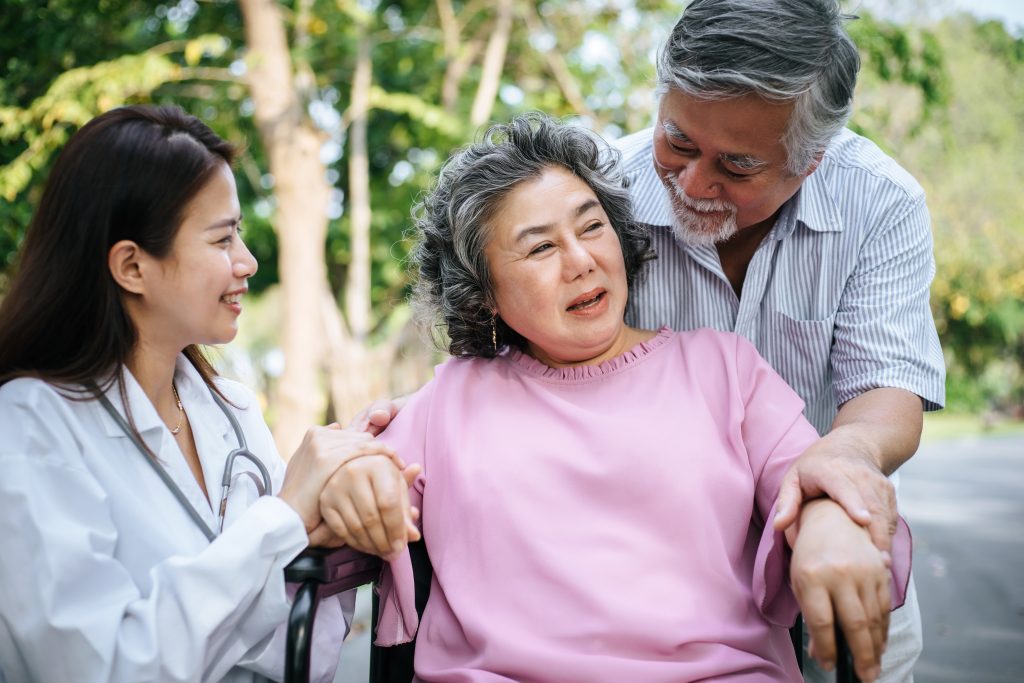
After a stroke, it is important to reduce the risk of recurrence by managing risk factors.
Some recommended measures include:
- Keeping blood pressure under control.
- Following the prescribed treatment.
- Managing diabetes and cholesterol levels.
- Engaging in physical activity adapted to each individual’s abilities.
- Maintaining a balanced diet.
- Attending regular medical check-ups.
Conclusion
Stroke in people over 80 is common, but prompt action can make an important difference in treatment and recovery. Recognizing the symptoms, seeking medical attention without delay, and actively participating in rehabilitation are essential for achieving the best possible recovery and maintaining quality of life.
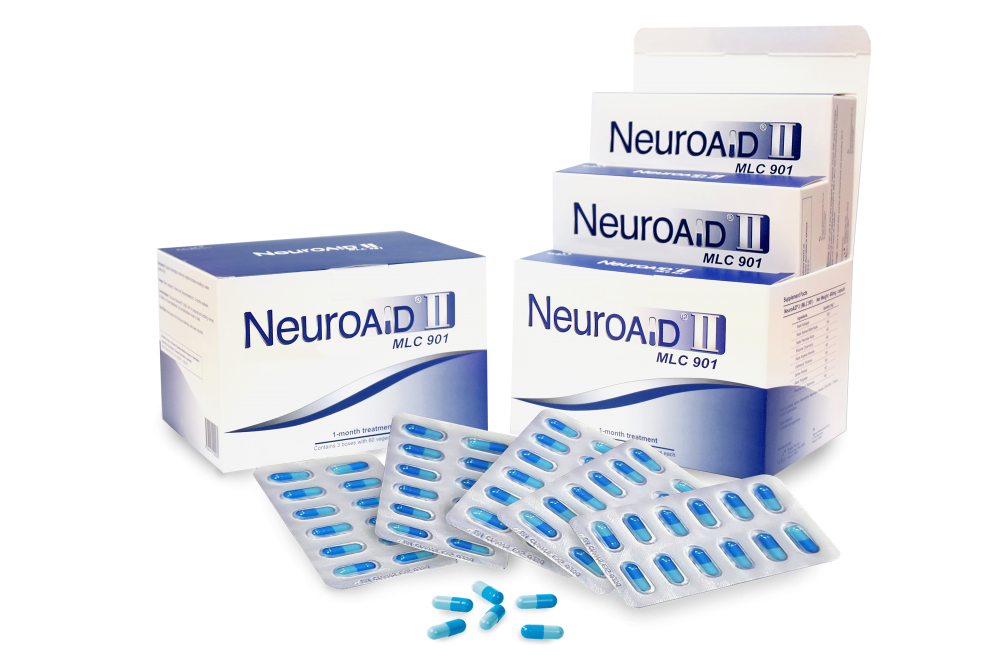
If you would like more information about NeuroAiD II, please complete this contact form
"*" indicates required fields


