



Tinnitus, commonly known as ringing in the ears, is a condition that affects millions of people worldwide. This phenomenon can have multiple causes, ranging from exposure to loud noise to inner ear problems. However, tinnitus may also be associated with more serious conditions, such as stroke. Although not all cases of tinnitus are a sign of a serious problem, in some cases it may be an early symptom or a consequence of a stroke.
What is Tinnitus?

Tinnitus is the perception of sound in the ears or head without an external source. The sound can vary in pitch and volume and may be continuous or intermittent. Common sounds include ringing, buzzing, hissing, or roaring. Tinnitus is not a disease itself, but a symptom of an underlying condition.
Tinnitus can be classified into two types:
- Subjective tinnitus: Only the affected person can hear the sound. It is the most common type of tinnitus and may be related to damage in the inner ear.
- Objective tinnitus: It is rare, but the sound can be heard by a doctor during an examination. It is often associated with vascular or muscular problems.
Relationship Between Tinnitus and Stroke
Tinnitus may be associated with stroke, especially when it appears suddenly or in combination with other neurological symptoms. A stroke occurs when the blood supply to part of the brain is interrupted or reduced, depriving brain tissue of oxygen and nutrients. This can result in brain damage, and depending on the affected areas, it may also lead to tinnitus.
There are several ways in which tinnitus and strokes may be related:
- Brainstem stroke: If the stroke affects the brainstem region, which is involved in processing hearing and balance, the patient may experience tinnitus or hearing loss.
- Vascular problems: A stroke may be caused by issues in the blood vessels that supply blood to the brain. When these vessels are damaged or blocked, they may also affect the vessels near the inner ear, which could lead to tinnitus.
- Hypertension: High blood pressure is a major risk factor for stroke and can also cause tinnitus. Elevated pressure can damage the blood vessels of the inner ear, leading to the perception of ringing.
Causes of Tinnitus Related to Stroke
Tinnitus may have a variety of causes related to stroke, such as:
- Ischemia in auditory areas: If a stroke affects brain regions responsible for auditory processing, such as the auditory cortex, it may cause tinnitus or even hearing loss.
- Irregular blood flow: Changes in blood flow in the vessels of the brain and inner ear, due to clots or vessel narrowing, can trigger tinnitus.
- Aneurysms or vascular malformations: In some cases, abnormalities in blood vessels can cause pulsatile sounds in the ear, leading to a form of objective tinnitus.
- Post-stroke sequelae: After a stroke, tinnitus may appear as part of residual neurological damage, especially if the auditory areas or the vessels near the inner ear were affected.
Symptoms of Tinnitus Associated with Stroke
Tinnitus associated with a stroke may have some unique characteristics or appear in combination with other symptoms. If tinnitus develops suddenly and is accompanied by any of the following signs, it is important to seek immediate medical attention:
- Sudden loss of vision or weakness on one side of the body
- Difficulty speaking or understanding language
- Severe dizziness or balance problems
- Sudden and intense headache
- Sudden hearing loss
These symptoms may be indicative of a stroke. Although tinnitus is often not serious on its own, it should be taken seriously if it appears suddenly along with other neurological symptoms.
Diagnosis of Tinnitus in the Context of Stroke
When tinnitus occurs in the context of a stroke, it is essential to perform a comprehensive diagnosis. Some useful tests include:
- Magnetic resonance imaging (MRI) or computed tomography (CT): These imaging tests help visualize the brain and detect areas that may be affected by stroke, especially if the brainstem or auditory cortex is involved.
- Hearing tests: An audiogram can help determine whether there is hearing loss and if tinnitus is related to damage in the inner ear.
- Cerebral angiography: Used to assess the condition of blood vessels in the brain and can detect vascular malformations or aneurysms that may be related to tinnitus.
Treatment of Tinnitus Related to Stroke

Treatment of tinnitus related to stroke depends on the underlying cause and the degree of neurological involvement. Some therapeutic strategies include:
- Medical treatment of stroke:
- Anticoagulants: If the stroke was caused by a blood clot, anticoagulants may be prescribed to prevent future events.
- Rehabilitation therapies: In cases of stroke, neurological and auditory rehabilitation may help restore some lost functions, although tinnitus may be permanent in some cases.
- Specific treatments for tinnitus:
- Sound therapy: The use of sound generators or white noise can help mask tinnitus and make it more tolerable.
- Cognitive behavioral therapy (CBT): This therapy can help patients manage anxiety and stress related to chronic tinnitus.
- Medications: In some cases, doctors may prescribe medications to help control stress or anxiety that can exacerbate tinnitus.
Prognosis and Quality of Life
The prognosis of tinnitus related to stroke largely depends on the severity of the stroke and which areas of the brain were affected. In some cases, tinnitus may improve over time as the brain recovers, while in others, it may persist chronically.
Quality of life may be affected, especially if tinnitus is severe or accompanied by hearing loss or balance problems. However, with proper diagnosis and early treatment, many people can find relief and learn to live with tinnitus in a more manageable way.
Conclusion
Tinnitus may be more than just a ringing in the ears, especially when it is related to a stroke. In some cases, it can be a warning sign of more serious vascular or neurological problems and should be evaluated by a doctor if it appears suddenly or alongside other stroke symptoms.
Treatment of tinnitus depends on its underlying cause, and in cases related to stroke, a multidisciplinary approach is essential to manage both the effects of the stroke and the tinnitus. Although this condition can be challenging, with the right strategies it is possible to reduce its impact on quality of life.
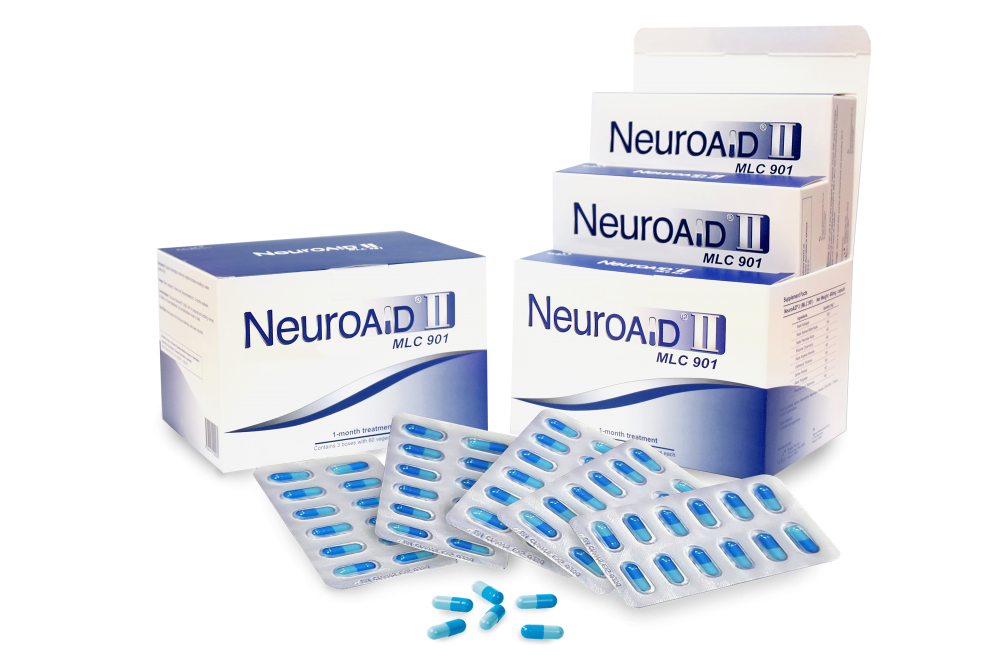
If you would like more information about NeuroAiD II, please fill out this contact form.
"*" indicates required fields


