


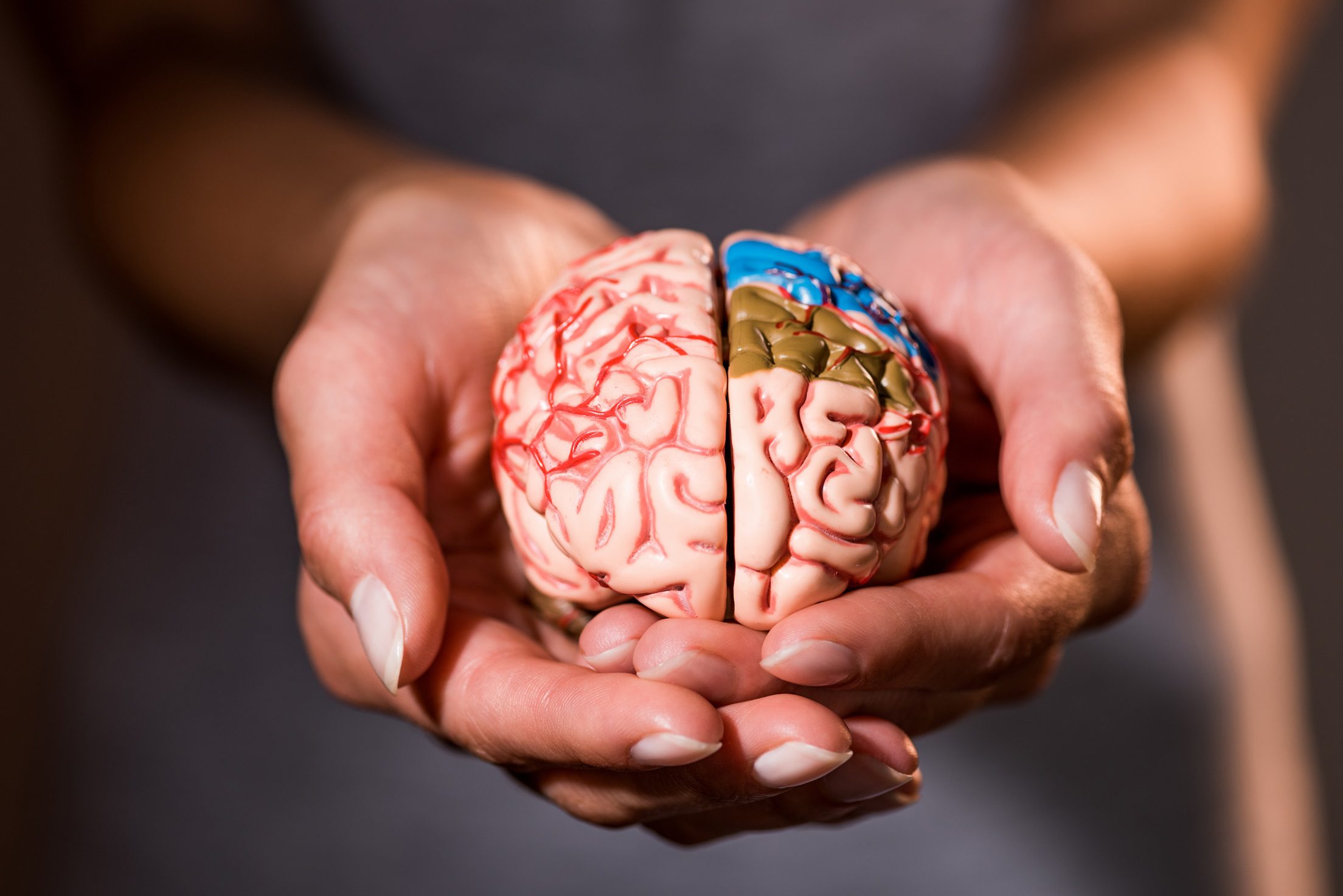
The vein of Galen, or great cerebral vein, is a fundamental vascular structure for cerebral venous drainage. Its relevance lies in its role in returning blood to the venous system and its association with various neurological conditions, such as arteriovenous malformations (AVMs) and other cerebrovascular disorders.
What is the vein of Galen?
The vein of Galen is a major cerebral vein located at the base of the brain, specifically in the diencephalic region.
- Anatomy: it originates from the confluence of the internal cerebral veins and drains into the straight sinus, which is part of the deep cerebral venous system.
- Primary function: its role is to collect blood from the deep regions of the brain and facilitate its return to the heart through the venous circulation.
Importance in cerebral circulation
The vein of Galen is fundamental in the deep cerebral venous system:
- Deep cerebral drainage: it is responsible for transporting venous blood from the deep regions of the brain, including the basal ganglia, thalamus, and other subcortical structures.
- Interaction with the superficial venous system: despite its functional separation, it has an anatomical relationship with the dural venous sinuses, which is crucial for maintaining hemodynamic balance in the brain.
Pathologies associated with the vein of Galen
Alterations in the function of the vein of Galen can lead to serious complications, particularly in neonates and young children:
- Vein of Galen malformation (VGM): a congenital vascular anomaly characterized by abnormal connections between cerebral arteries and veins.
- Symptoms: heart failure in neonates, macrocephaly, hydrocephalus, and seizures.
- Cerebral venous thrombosis: obstruction of the vein of Galen may result in cerebral edema, hemorrhage, and severe neurological damage.
- Venous aneurysms: abnormal dilatations of the vein of Galen, although less frequent, may lead to hemorrhagic complications.
- Compression by intracranial masses: tumors or nearby lesions may exert pressure on the vein of Galen, affecting cerebral venous drainage.
Diagnosis of vein of Galen abnormalities
Accurate assessment of conditions related to the vein of Galen requires advanced imaging techniques:
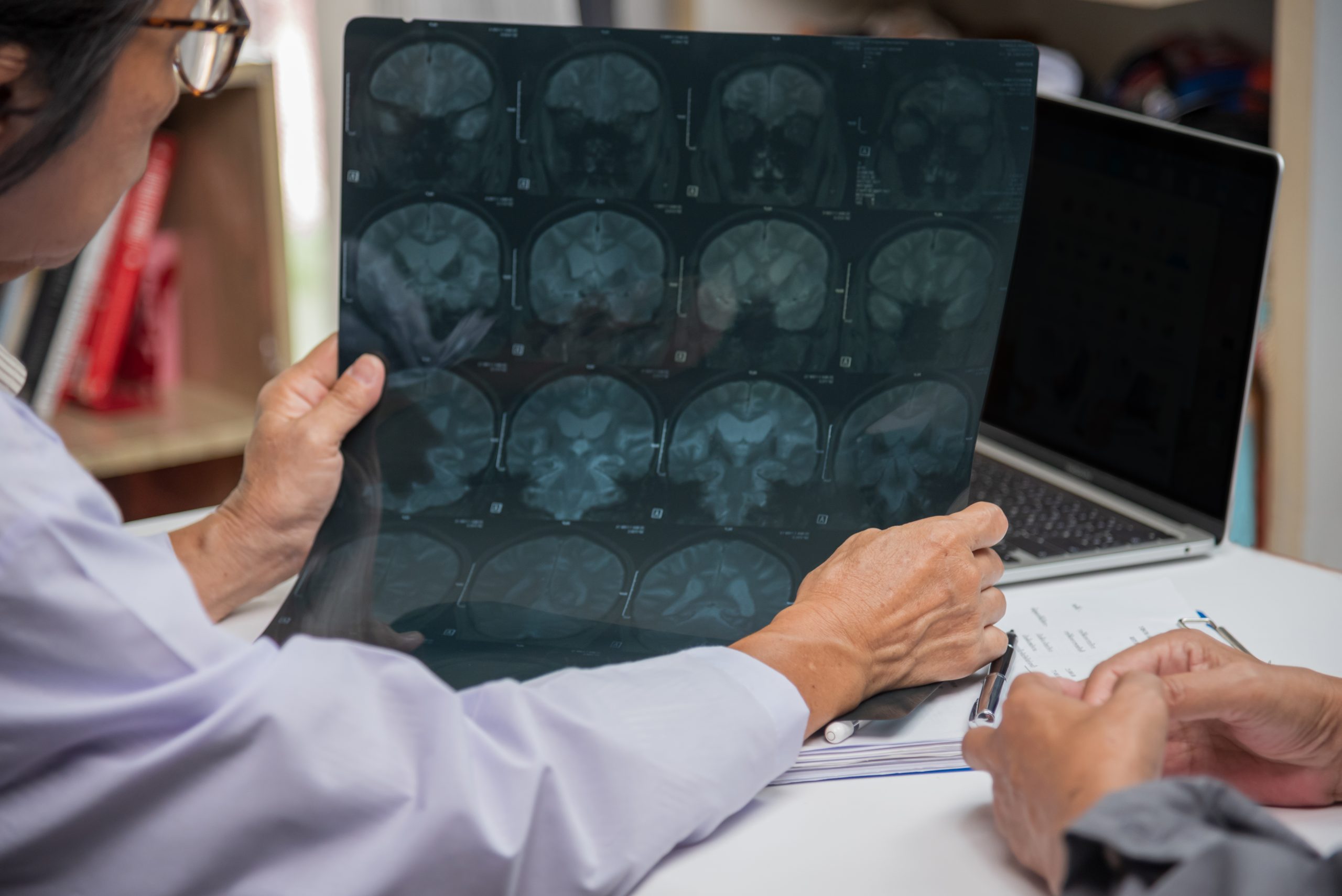
- Magnetic resonance imaging (MRI): the preferred modality for evaluating the anatomy and functionality of this vein, as well as its relationship with adjacent structures.
- Cerebral angiography: enables detailed mapping of arteriovenous connections in cases of malformations.
- Doppler ultrasound: useful in neonates for detecting anomalies such as vein of Galen malformation.
Treatment of vein of Galen conditions
Therapeutic options vary depending on the specific pathology:
- Vein of Galen malformation:
- Endovascular embolization: a minimally invasive technique that uses devices such as coils to occlude abnormal connections.
- Multidisciplinary management: involves collaboration among neurologists, neurosurgeons, and pediatric cardiologists.
- Cerebral venous thrombosis:
- Anticoagulants: used to reduce the risk of thrombus propagation.
- Management of intracranial hypertension: it is essential for treatment.
- Venous compression: in cases of tumor masses affecting the vein of Galen, surgery or radiotherapy may be considered.
Advances in medical and surgical management
Advances in technology and in the understanding of pathologies associated with the vein of Galen have been significant:
- Advanced imaging techniques: the introduction of functional MRI and CT angiography has enabled faster and more accurate diagnoses.
- Endovascular procedures: minimally invasive techniques reduce risks and optimize outcomes in patients with malformations.
Conclusion
The vein of Galen is a crucial component of the deep cerebral circulation, and any alteration in its function may lead to significant neurological consequences. Early diagnosis and the adoption of an appropriate therapeutic approach that combines technological advances with clinical expertise are essential to manage these conditions. Understanding its function and the disorders associated with it not only improves treatment options but also helps safeguard brain health in critical situations.
If you would like more information about NeuroAiD II, please fill out this contact form.
"*" indicates required fields


