


Excitotoxic glutamate toxicity is a neurobiological phenomenon that occurs when there is an excess of glutamate, the main excitatory neurotransmitter in the central nervous system, which can lead to neuronal damage. This process is associated with various neurological diseases and plays a key role in the progression of brain injury following events such as stroke, traumatic brain injury, and neurodegenerative disorders.
What is excitotoxic glutamate toxicity?

The term refers to cellular damage that occurs due to overstimulation of glutamate receptors, particularly NMDA (N-methyl-D-aspartate) and AMPA receptors. This phenomenon arises when glutamate levels in the synaptic cleft are excessively high, leading to overactivation of these receptors and triggering a cascade of toxic events for the neuronal cell.
- Primary mechanism: excess glutamate induces massive calcium influx into neurons, leading to oxidative stress, mitochondrial dysfunction, and ultimately cell death.
- Affected areas: brain regions with a high density of NMDA receptors, such as the hippocampus and cerebral cortex, are particularly susceptible.
Causes of excitotoxic glutamate toxicity
Excitotoxic glutamate toxicity can be triggered by various medical conditions and events that disrupt the normal balance of glutamate in the brain:
- Stroke: the lack of oxygen and glucose following an ischemic stroke leads to massive glutamate release, initiating excitotoxic damage.
- Traumatic brain injury: physical damage to the brain can disrupt glutamate regulation, exacerbating neuronal injury.
- Epilepsy: recurrent seizures increase glutamate release, promoting excitotoxic damage.
- Neurodegenerative disorders: conditions such as Alzheimer’s disease, Parkinson’s disease, and amyotrophic lateral sclerosis (ALS) show evidence of excitotoxicity as part of their pathophysiology.
- Intoxications: substances such as domoic acid (a marine neurotoxin) and certain drugs may induce acute excitotoxicity.
Clinical implications
The damage caused by excitotoxic glutamate toxicity has a significant impact on brain function and is associated with the symptoms of various neurological disorders:
- Neuronal loss: the death of neurons in critical regions may result in cognitive, motor, or sensory deficits.
- Increased secondary injury: in conditions such as stroke, excitotoxicity amplifies the initial area of damage, hindering recovery.
- Disease progression: in disorders such as Alzheimer’s disease, excitotoxicity contributes to ongoing neurodegeneration.
Diagnosis of excitotoxic glutamate toxicity

Although there is no direct test to assess excitotoxicity in patients, diagnosis is based on identifying underlying conditions and using advanced brain imaging techniques:
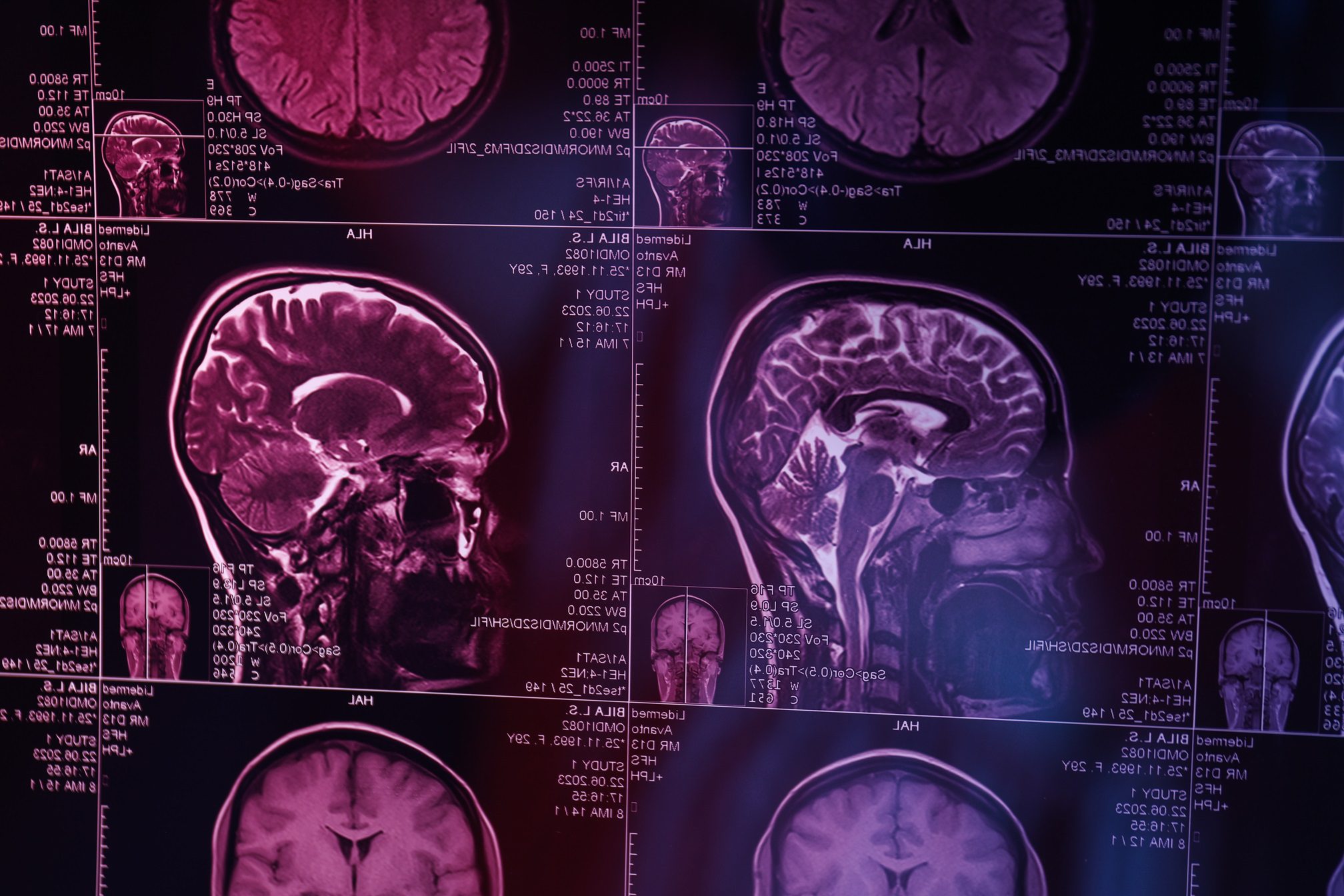
- Functional magnetic resonance imaging (fMRI): allows identification of areas of cerebral hyperactivity that may be associated with excitotoxic damage.
- Cerebrospinal fluid biomarkers: elevated levels of glutamate or markers of oxidative damage may be indicative of excitotoxicity.
Treatment and prevention
El manejo de la glutamatotoxicidad excitatoria se centra en prevenir el daño neuronal y abordar las condiciones subyacentes:
- NMDA receptor antagonists: medications such as memantine block these receptors, reducing calcium influx into neurons. They are used in conditions such as Alzheimer’s disease and other neurodegenerative disorders.
- Glutamate regulation: therapies that modulate glutamate release and reuptake at the synaptic level are under investigation. For example, glutamate transporter inhibitors (such as GLT-1 modulators) are being studied.
- Neuroprotection: antioxidant agents and compounds that stabilize mitochondrial function may provide neuronal protection.
- Management of associated conditions: in cases such as stroke or epilepsy, rapid and effective management of these conditions can reduce the risk of excitotoxic damage.
- Experimental therapies: in clinical studies, strategies such as the use of stem cells and growth factors are being explored to repair brain damage.
Advances in research
Research on excitotoxicity is progressing rapidly:
- Gene therapies: modification of genes associated with glutamate receptors to reduce their hyperactivity.
- Novel pharmacological agents: development of more specific and safer compounds targeting excitotoxic pathways.
- Personalized prevention: identification of at-risk patients through genetic testing and biomarker analysis.
Conclusion
Excitotoxic glutamate toxicity is a fundamental mechanism in brain injury, particularly in conditions such as stroke, traumatic brain injury, and neurodegenerative diseases. Understanding this phenomenon has led to significant advances in diagnosis and treatment, although important challenges remain. Addressing this issue from a multidisciplinary perspective can make a substantial difference in the quality of life of patients affected by these conditions. Ongoing research continues to provide new hope for reducing the impact of this process and promoting brain health.
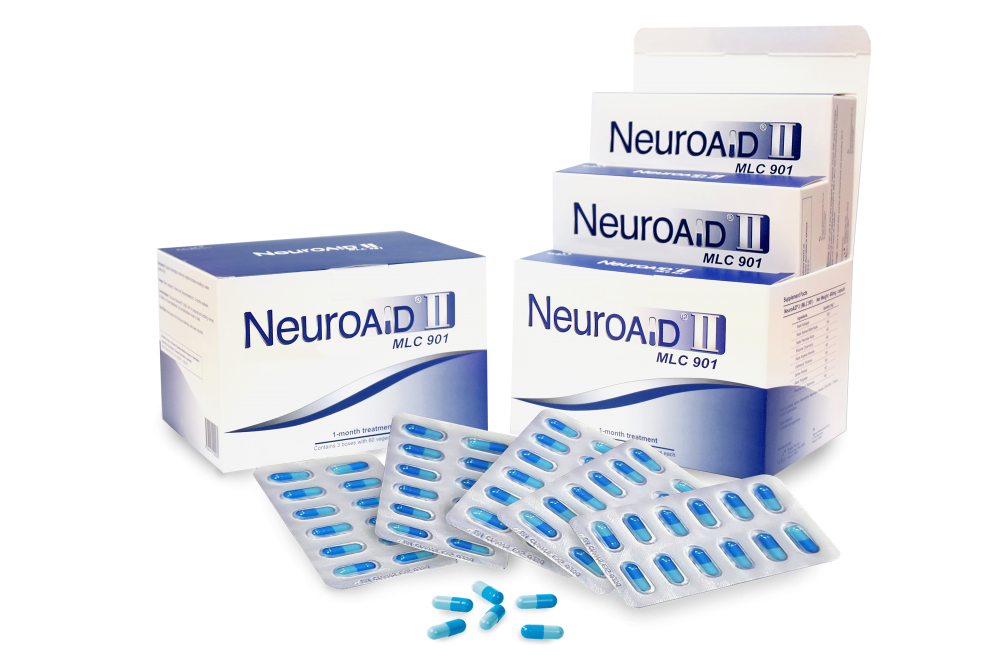
If you would like more information about NeuroAiD II, please fill out this contact form.
"*" indicates required fields


