

Basal ganglia damage after a stroke can significantly affect movement, coordination, and other functions of the nervous system. The basal ganglia are a group of structures located deep within the brain that are involved in controlling voluntary movements, motor learning, and certain processes related to behavior and emotions.
When a stroke affects this region, symptoms can vary depending on the extent and location of the damage. Understanding these symptoms can help provide a clearer picture of the recovery process and the importance of rehabilitation.
What are the basal ganglia?
The basal ganglia are a group of brain nuclei that work together with the cerebral cortex and other structures to coordinate movement. Their function is not to generate movements, but rather to regulate them so that they are precise, smooth, and coordinated.
In addition to motor control, they are also involved in functions related to learning, action planning, and certain aspects of behavior.
How does a stroke affect the basal ganglia?
A stroke can interrupt the blood flow to these structures or cause bleeding within them.
As a result, nerve cells no longer receive sufficient oxygen and nutrients, leading to damage whose severity depends on the time elapsed before treatment and the extent of the affected area.
Symptoms of basal ganglia damage after a stroke
Clinical manifestations can vary, but the most common include:
- Weakness or loss of strength on one side of the body.
- Muscle stiffness.
- Slowness of movement.
- Difficulty walking.
- Balance problems.
- Poorly coordinated movements.
- Sensory disturbances.
- Changes in facial expression.
Some patients may also experience difficulty performing tasks that were previously automatic, such as standing up from a chair or initiating walking.
Can it affect other functions?
Yes. Although the basal ganglia are known for their role in movement, they are also involved in other brain circuits.
Some people may experience:
- Difficulty concentrating.
- Slower information processing.
- Changes in mood.
- Mental fatigue.
- Difficulty planning certain activities.
The severity of these symptoms depends on the exact location of the injury and whether other areas of the brain are also affected.
Diagnosis
Diagnosis begins with a neurological assessment and is confirmed through imaging tests, mainly:
- Computed tomography (CT).
- Magnetic resonance imaging (MRI).
These tests help identify the location of the brain damage and guide the most appropriate treatment.
Treatment
Initial treatment depends on the type of stroke and aims to limit brain damage and prevent further complications.
Once the acute phase has passed, the main goal is to promote functional recovery through a rehabilitation program tailored to each patient’s individual needs.
Depending on the symptoms, different healthcare professionals may be involved, including physiotherapists, occupational therapists, speech therapists, and neuropsychologists.
Recovery
Recovery after basal ganglia damage caused by a stroke varies considerably from person to person. Some patients regain much of their function during the first few months, while others require a longer rehabilitation process.
Consistent physiotherapy, balance training, coordination exercises, and practice of activities of daily living can help improve functional independence.
In addition, the brain’s ability to reorganize some of its connections, known as neuroplasticity, plays an important role in this process.
Prognosis
Prognosis depends on several factors, including the severity of the stroke, the size of the affected area, how quickly treatment was initiated, and the patient’s overall health.
Although some impairments may persist, many people experience gradual improvement through rehabilitation and ongoing medical follow-up.
Conclusion
Basal ganglia damage after a stroke can cause impairments in movement, balance, and other neurological functions. Early diagnosis, appropriate treatment, and an individualized rehabilitation program are essential for supporting recovery.
Although recovery varies from person to person, starting rehabilitation as early as possible and maintaining active participation in the rehabilitation process can help improve function and long-term quality of life.
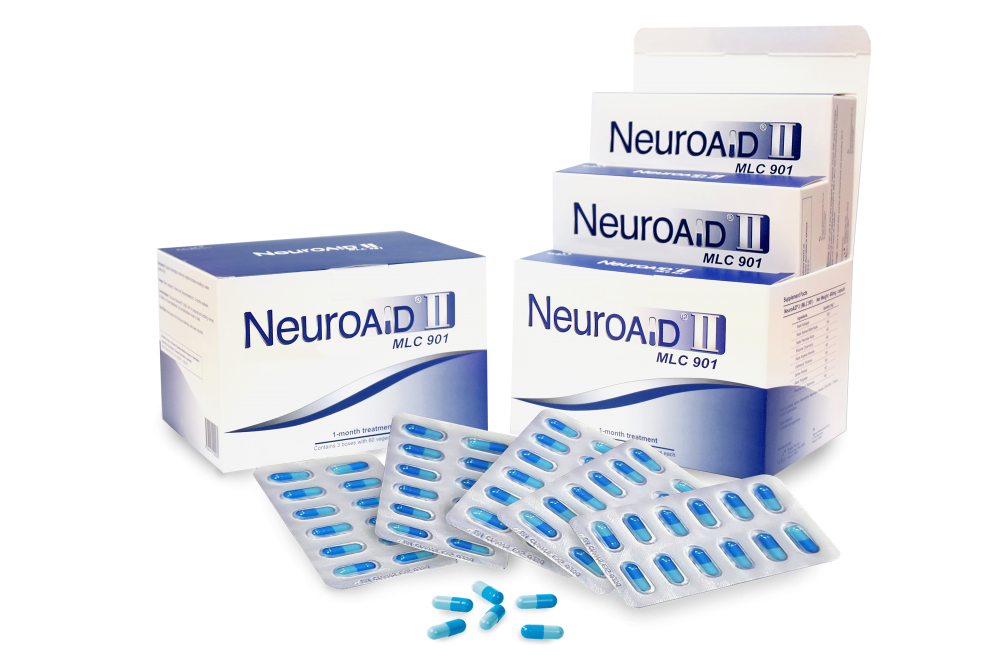
If you would like more information about NeuroAiD II, please complete this contact form
"*" indicates required fields


