


A silent stroke can go unnoticed because its symptoms are mild or even absent. However, even if it does not cause the typical signs of a stroke, it can still cause brain damage and increase the risk of a more severe stroke in the future.
Recognizing the mild symptoms of a silent stroke is important for seeking medical attention and receiving an appropriate diagnosis.
What is a silent stroke?

What are the mild symptoms of a silent stroke?
Although some people do not experience any symptoms, others may notice subtle changes such as:
- Temporary tingling or numbness.
- Mild weakness in an arm or leg.
- A feeling of clumsiness while walking.
- Difficulty maintaining balance.
- Mild difficulty speaking or finding words.
- Subtle changes in memory or concentration.
- Short-lasting visual disturbances.
Because these symptoms often disappear quickly or are mild, many people do not seek medical attention.
Who is at greater risk?
Like other strokes, a silent stroke is more common in people with risk factors such as:
- High blood pressure.
- Diabetes.
- High cholesterol.
- Smoking.
- Atrial fibrillation.
- Cardiovascular disease.
- Advanced age.
Managing these risk factors can help reduce the risk of future strokes.
How is it diagnosed?
When a silent stroke is suspected, the doctor may request imaging tests such as magnetic resonance imaging (MRI) or computed tomography (CT) to detect small areas of brain damage.
Additional tests are also often performed to identify the cause and assess the risk of future strokes.
What should you do if these symptoms occur?

Even if the symptoms are mild or disappear within a few minutes, it is advisable to seek medical attention, especially if they occur suddenly.
A medical evaluation can help determine whether the symptoms are related to a stroke or another condition and, if necessary, initiate measures to reduce the risk of further brain injury.
Conclusion
The mild symptoms of a silent stroke can go unnoticed, but they should not be ignored. Subtle changes such as weakness, tingling, balance problems, or difficulty speaking may be signs of brain damage.
If any neurological symptoms appear suddenly, it is important to seek medical attention. Early diagnosis and management of risk factors can help prevent future strokes and protect brain health.
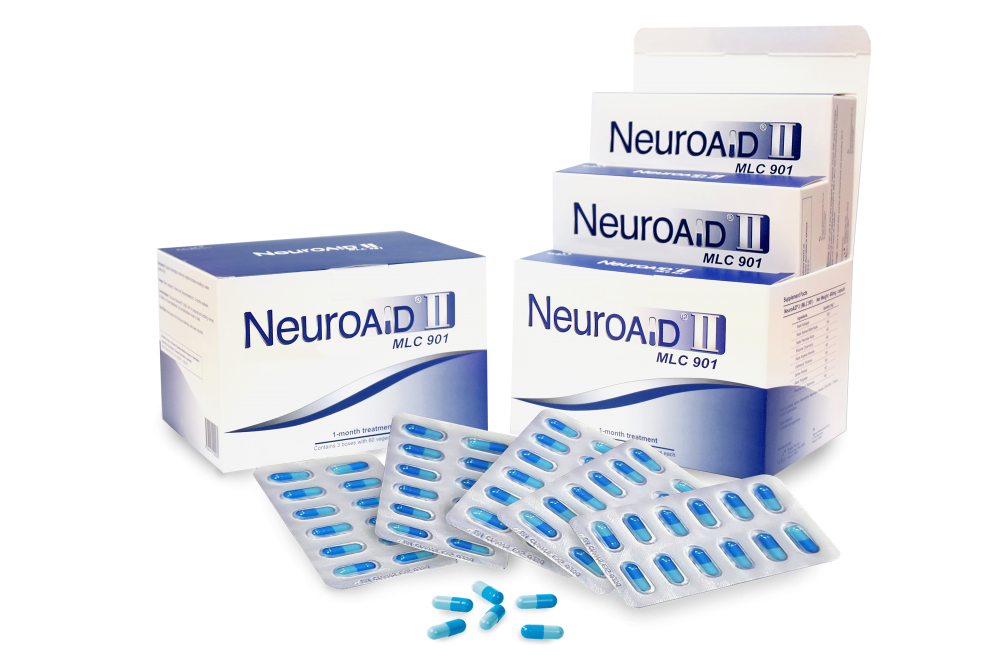
If you would like more information about NeuroAiD II, please complete this contact form
"*" indicates required fields


