



Biological therapies have revolutionized the treatment of many chronic and autoimmune diseases, offering an innovative alternative to traditional medications. These therapies, which use living organisms or substances derived from them, have transformed the way clinicians approach complex conditions such as rheumatoid arthritis, psoriasis, and certain types of cancer. Biological therapies, also known as biotherapies, target specific processes of the immune system, enabling more precise intervention and fewer side effects compared to some conventional treatments.
What are Biological Therapies?
Biological therapies are treatments based on living organisms or molecules that mimic or block biological processes in the body. Unlike traditional chemical drugs, which generally have a broader systemic effect, biological therapies are designed to target specific processes involved in disease development. These therapies typically use proteins such as monoclonal antibodies, cytokines, or vaccines to modulate the body’s immune response.
The principle behind biological therapies is to harness the mechanisms of the immune system to attack or control disease. Through this approach, a more targeted intervention is achieved, reducing damage to healthy cells and tissues. Biological therapies have opened a new era in medicine, providing more effective solutions for conditions that were previously difficult to treat.
How do Biological Therapies work?
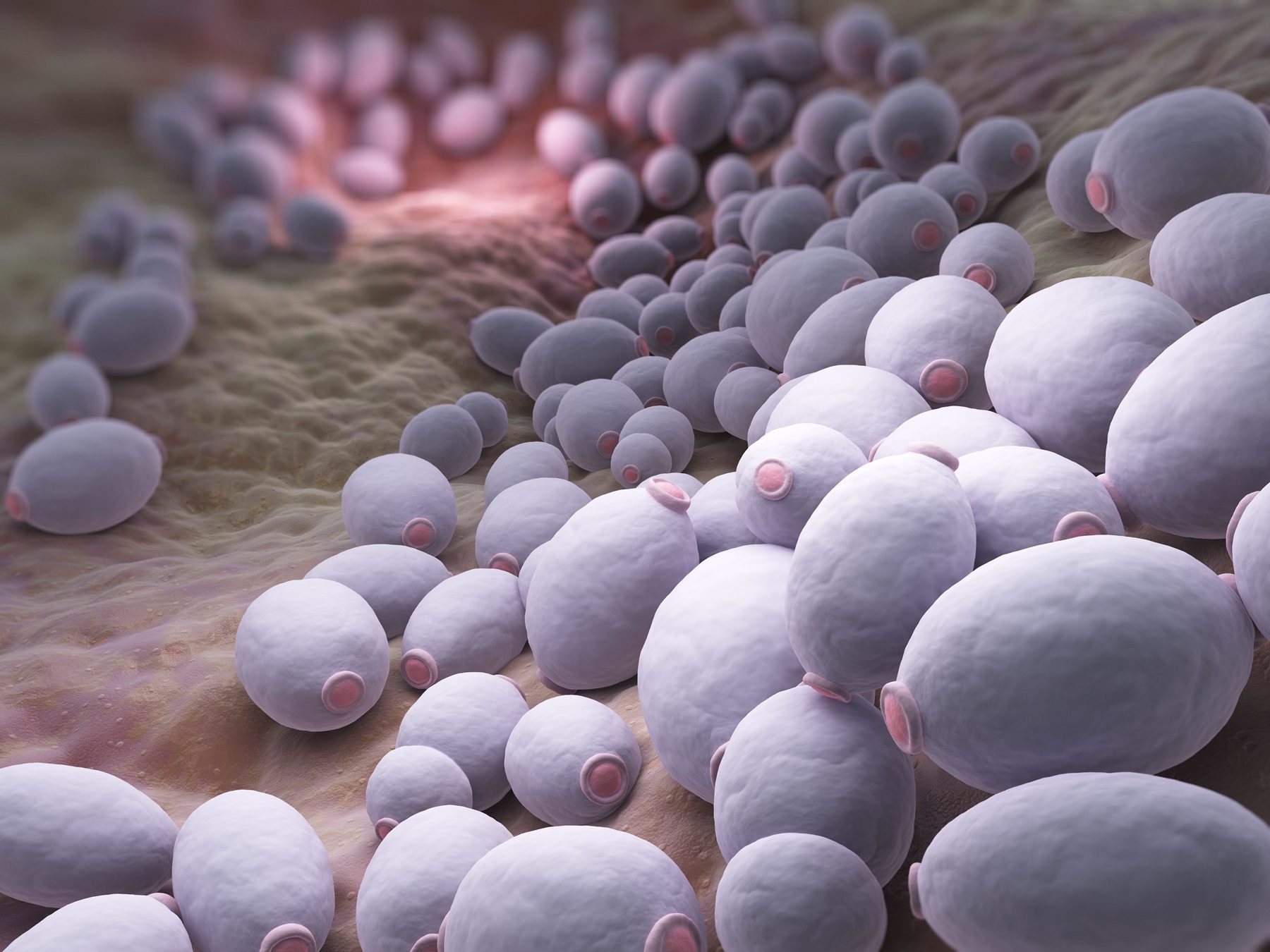
The mechanism of action of biological therapies depends on the type of disease and the specific pathway they are designed to block or activate. These therapies generally act on:
- Inhibition of specific molecules: Some biologics block the action of molecules that play a key role in inflammation and tissue damage, such as tumor necrosis factor alpha (TNF-alpha), which is commonly involved in autoimmune diseases like rheumatoid arthritis.
- Monoclonal antibodies: These are laboratory-engineered antibodies designed to bind to specific molecules, such as cancer cells or proteins that promote inflammation. By blocking these molecules, their ability to trigger an unwanted immune response is inhibited.
- Modulation of the immune response: Rather than suppressing the immune system entirely, biological therapies can modulate or “reprogram” the immune system to respond more appropriately to infections, cancer cells, or autoimmune processes.
- Enzyme replacement therapies: In certain genetic disorders, the body does not produce sufficient levels of an essential enzyme. Biological therapies can provide the missing enzyme, allowing the body to function properly.
Each biologic is designed with a specific target, and therefore its mechanisms of action vary depending on the disease being treated.
Biological Therapies: Common modalities and applications
Biological therapies have proven to be highly effective across several areas of medicine, particularly in the treatment of autoimmune diseases, inflammatory conditions, and certain types of cancer. The most common applications include:
- Autoimmune diseases: In conditions such as rheumatoid arthritis, Crohn’s disease, psoriasis, and lupus, the immune system attacks the body’s healthy tissues. Biological therapies block the components of the immune system responsible for this inflammation and damage, improving symptoms and reducing disease progression.
- Cancer: Certain types of cancer are treated with biological therapies that stimulate the immune system to target and destroy cancer cells. Monoclonal antibodies and immune checkpoint inhibitors are two examples of biotherapies that have shown success in the treatment of cancers such as melanoma and lung cancer.
- Inflammatory diseases: Conditions such as ulcerative colitis and multiple sclerosis, which are characterized by chronic inflammation, can also benefit from biological therapies. These treatments work by reducing inflammation levels and preventing tissue damage.
- Rare genetic diseases: In some cases, biological therapies are useful in the treatment of rare genetic disorders that involve enzyme deficiencies or metabolic dysfunctions. Enzyme replacement therapies can restore lost function in patients who lack certain key enzymes.
Benefits of Biological Therapies
The use of biological therapies offers several significant benefits, both in terms of efficacy and reduction of side effects compared to traditional treatments:
- Targeted intervention: Unlike traditional pharmacological treatments, which tend to have broader effects, biological therapies target specific molecules or cells involved in the disease, making them more precise and effective.
- Fewer side effects: Since biological therapies target specific components of the immune system or the body, they tend to have fewer systemic side effects than medications that affect the entire immune system or multiple body systems.
- Improved quality of life: For many individuals living with chronic or autoimmune diseases, biological therapies have significantly improved quality of life, allowing for better symptom control and a more active lifestyle.
- Treatment of previously intractable diseases: Biological therapies have enabled the treatment of conditions that were previously extremely difficult to manage, offering new hope for patients with serious diseases such as certain types of cancer or chronic inflammatory conditions.
Limitations and challenges of Biological Therapies
Despite their numerous benefits, biological therapies also have certain limitations and challenges that must be considered:
- High cost: Biological therapies are significantly more expensive than conventional treatments due to the complex research and development process, as well as the production of these medications from living organisms.
- Limited access: In some countries or healthcare systems, access to biological therapies may be restricted due to their high cost and lack of coverage by health insurance.
- Risk of infections: Since many biological therapies suppress parts of the immune system, patients receiving these treatments may have an increased risk of infections, particularly opportunistic infections that the body would normally be able to fight off.
- Immunological reactions: Although biological therapies are designed to be highly specific, in some cases the body may develop antibodies against the treatment, reducing its effectiveness or causing adverse reactions.
- Long-term treatment: Most biological therapies require ongoing administration to control disease symptoms. This means that patients may need to receive periodic injections or infusions for many years, which can be inconvenient and costly.
Future of Biological Therapies
The future of biological therapies is promising, as research continues to advance rapidly in this field. Biotechnology is developing new treatment approaches that are more accessible, effective, and associated with fewer side effects. Advances in areas such as gene therapy, biosimilars (more affordable versions of biological medicines), and personalized vaccines are paving the way for even more targeted and individualized treatments.
In addition, the combination of biological therapies with other therapeutic approaches, such as immunotherapy and precision medicine, is showing promising results in the treatment of complex diseases. It is expected that in the coming years, the use of biological therapies will expand even further, improving care for millions of people worldwide.
Conclusión
Las terapias biológicas han transformado el panorama del tratamiento médico, especialmente para enfermedades crónicas, autoinmunes y ciertos tipos de cáncer. Su enfoque dirigido y su capacidad para modular el sistema inmunológico han brindado nuevas opciones para pacientes que no respondían bien a los tratamientos tradicionales. Aunque su coste y el riesgo de infecciones son preocupaciones importantes, los beneficios superan en muchos casos estos inconvenientes, mejorando significativamente la calidad de vida de los pacientes.
A medida que la investigación y el desarrollo continúan, las terapias biológicas seguirán siendo una parte integral de la medicina moderna, proporcionando tratamientos más efectivos y personalizados. Aunque todavía hay desafíos por superar, como el coste y el acceso, la promesa de estas terapias innovadoras continúa ofreciendo esperanza a millones de personas en todo el mundo.
If you would like more information about NeuroAiD II, please fill out this contact form.
"*" indicates required fields


