

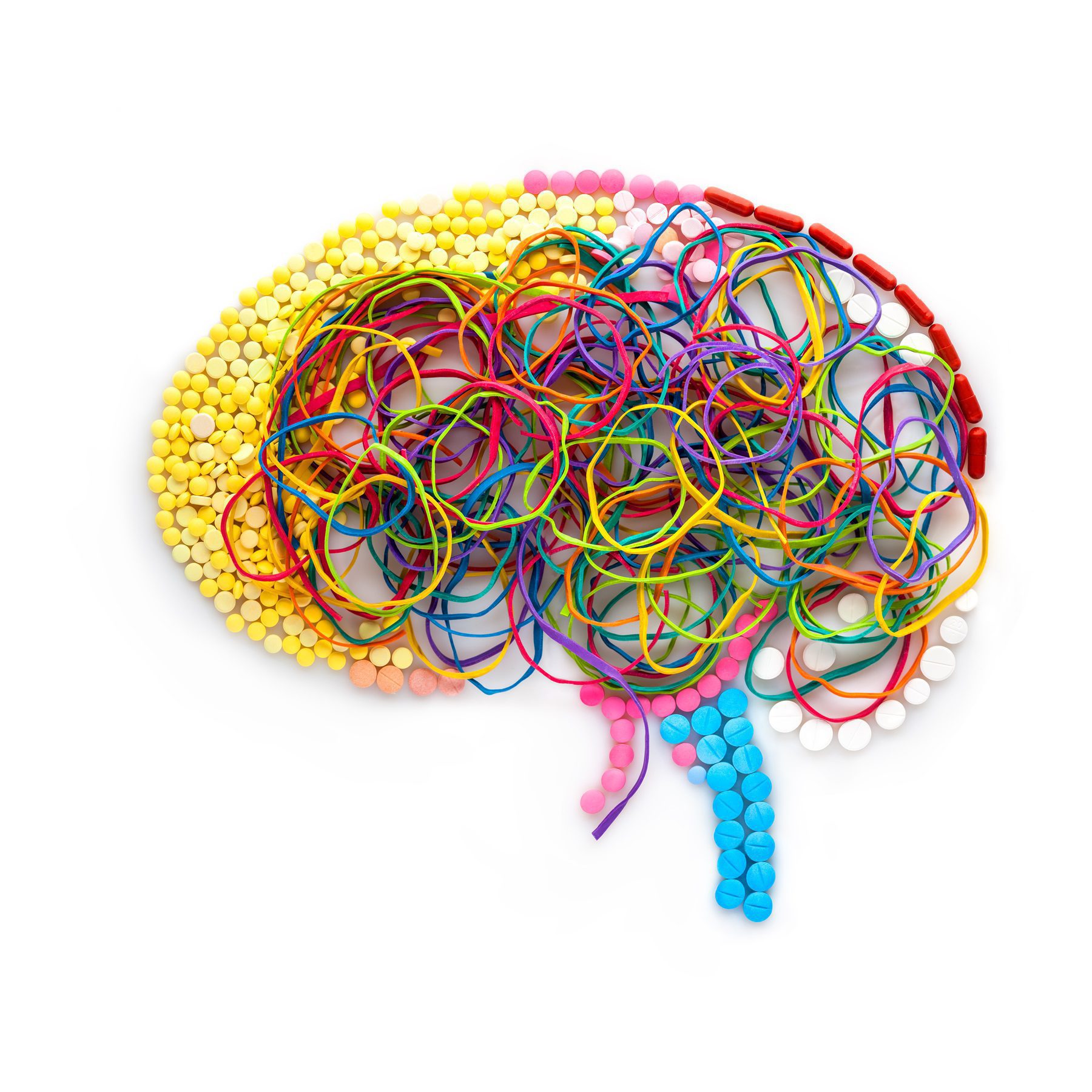

The brain parenchyma is the functional tissue of the brain, mainly composed of neurons and glial cells. This tissue is essential for all neurological activities of the body, from motor and sensory control to more complex cognitive functions such as reasoning and memory. Any damage to the brain parenchyma can have serious consequences for patient health, ranging from cognitive deficits to paralysis or even death.
What is Brain Parenchyma?
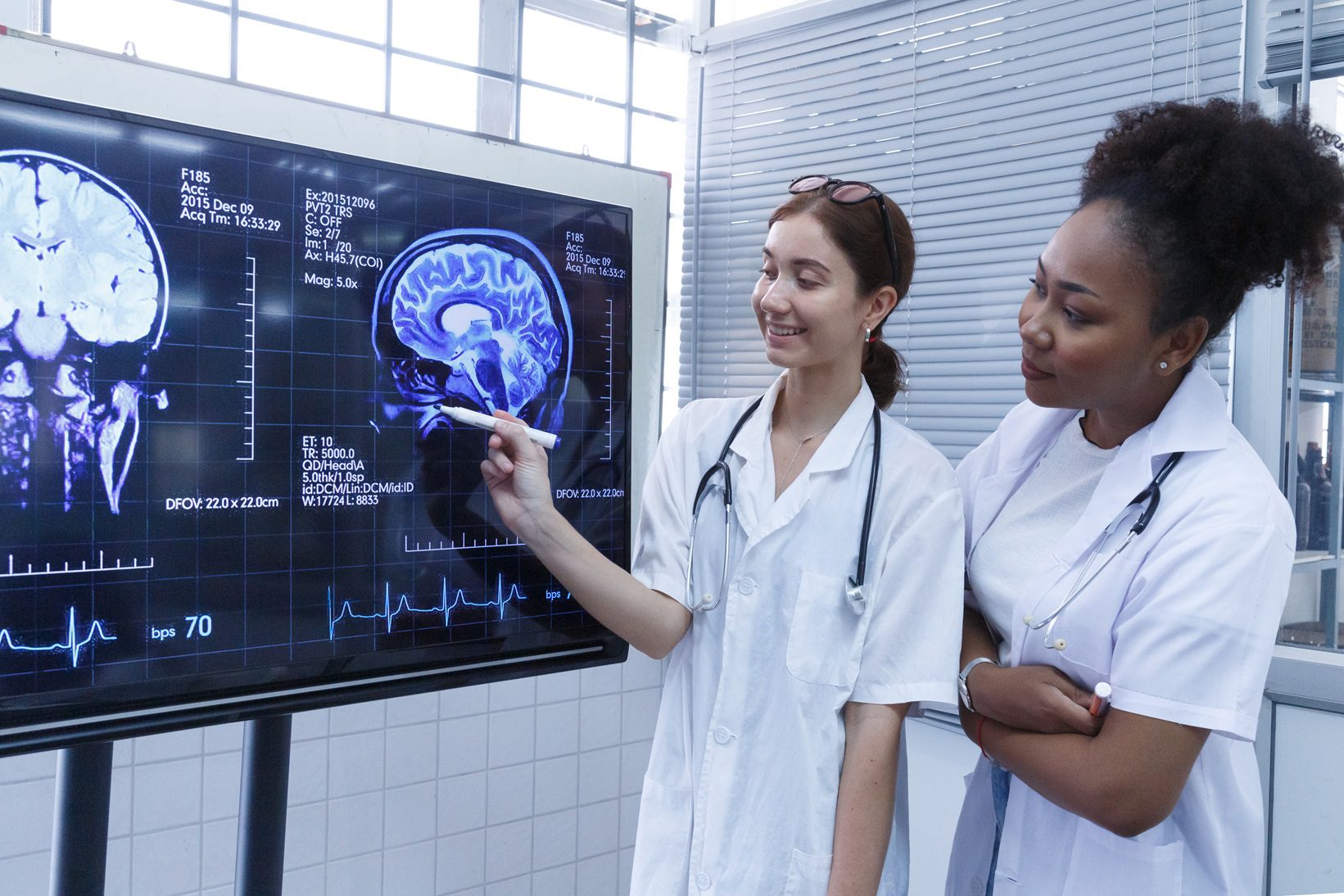
The brain parenchyma is the tissue responsible for the main functions of the brain. It is located in the encephalon and is composed of neurons, which transmit electrical and chemical signals, and glial cells, which provide support and protection to neurons. The parenchyma includes the cerebral cortex, the outermost layer responsible for higher functions such as thinking, language, and sensory perception, as well as deeper brain structures such as the hippocampus, thalamus, and basal ganglia, which are involved in memory processing, emotions, and movement.
This tissue is highly vulnerable to injuries and diseases affecting the central nervous system, such as trauma, hemorrhages, infarctions, and neurodegenerative diseases.
Functions of the Brain Parenchyma
The functions of the brain parenchyma are diverse and vary depending on the specific areas of the brain involved. Below are some of its most important functions:
- Sensory processing: The brain parenchyma processes information from the senses (vision, hearing, touch, smell, and taste) to enable interpretation of the surrounding world.
- Motor control: Through motor neurons, the parenchyma coordinates body movements, whether voluntary (walking, speaking) or involuntary (reflexes).
- Higher cognitive functions: The brain parenchyma is involved in reasoning, judgment, decision-making, planning, and problem-solving.
- Memory and learning: Specific areas of the parenchyma, such as the hippocampus, are involved in the formation and storage of memories.
- Emotional regulation: Deep structures of the brain parenchyma, such as the limbic system, regulate emotions, impulses, and social behavior.
- Language and communication: Specific areas of the brain, such as Broca’s area and Wernicke’s area, are involved in the production and comprehension of language.
Causes of Damage to the Brain Parenchyma
The brain parenchyma can be affected by various pathologies and injuries that impair its function. The most common causes of damage include:
- Traumatic brain injuries (TBI): Severe blows to the head, due to accidents or falls, can cause injury to the brain parenchyma. This may lead to hematomas, contusions, and diffuse axonal injury, severely affecting brain functions.
- Stroke: Cerebral infarction (ischemia) or bleeding within the parenchyma (intraparenchymal hemorrhage) can destroy neurons and glial tissue. This leads to motor, sensory, or cognitive deficits, depending on the affected area.
- Neurodegenerative diseases: Conditions such as Alzheimer’s disease, Parkinson’s disease, or multiple sclerosis progressively damage the brain parenchyma, leading to a gradual loss of its functions.
- Infections: Diseases such as encephalitis or meningitis can inflame the brain parenchyma, damaging its cells and compromising vital functions of the central nervous system.
- Brain tumors: Both benign and malignant tumors can grow within the brain parenchyma, disrupting normal tissue function and causing severe neurological symptoms.
- Hypoxia: Lack of oxygen, as occurs in cases of cardiac arrest or asphyxia, can destroy brain parenchyma cells within minutes, causing irreversible damage.
- Vascular diseases: Conditions such as aneurysms and arteriovenous malformations can also compromise the integrity of the brain parenchyma by causing bleeding or ischemia.
Symptoms of Brain Parenchyma Damage
The symptoms of brain parenchyma damage depend on the specific area of the brain affected and the extent of the injury. The most common symptoms include:
- Loss of strength or sensation in one part of the body (hemiparesis or paralysis)
- Difficulties speaking or understanding language
- Memory problems and confusion
- Visual disturbances or alterations in spatial perception
- Changes in personality or behavior
- Coordination and balance problems
- Seizures
- Severe headache
Depending on the extent of the damage, symptoms can range from mild to severe and may even be disabling.
Diagnosis of Brain Parenchyma Damage
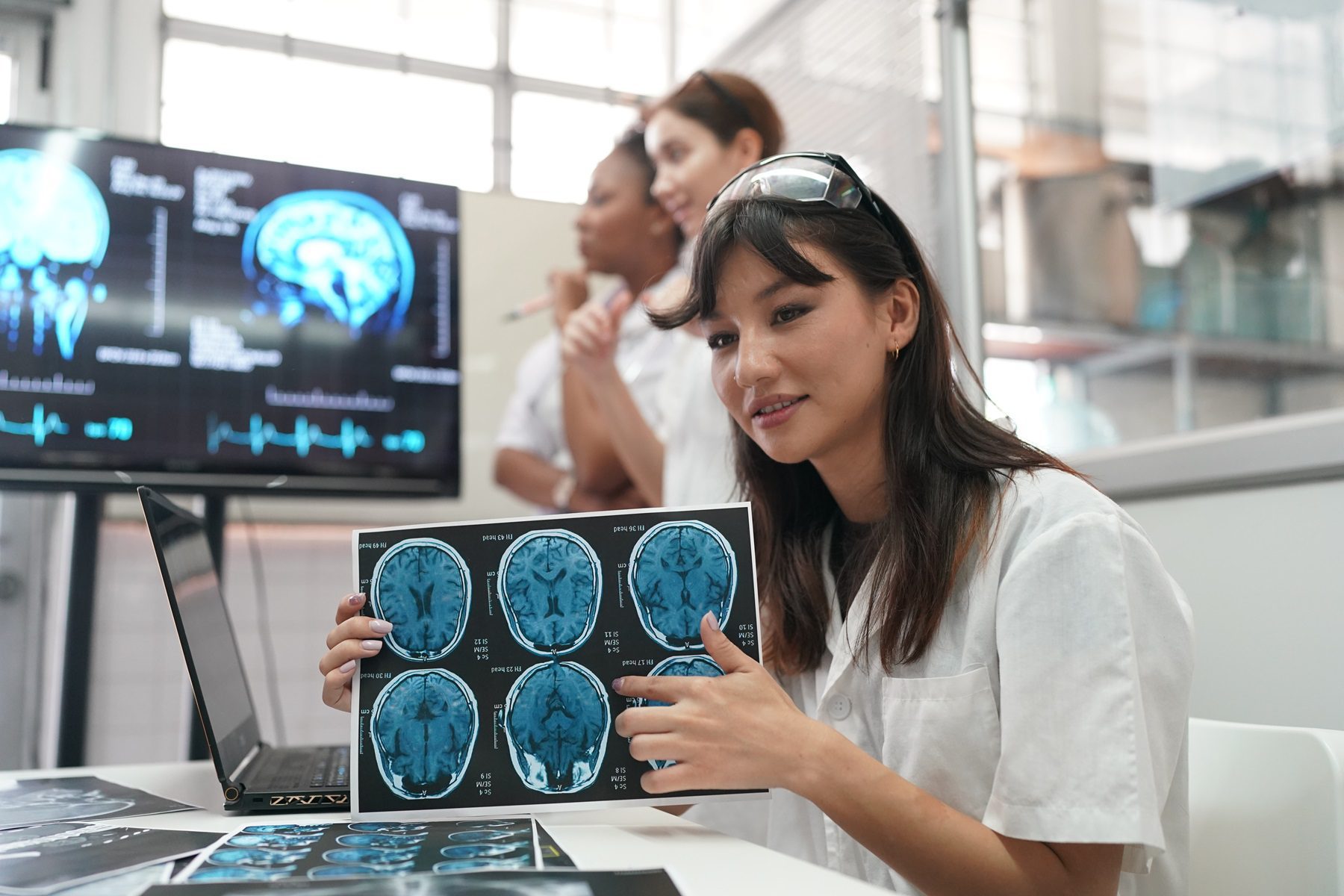
Diagnosis of brain parenchyma damage is carried out through a combination of clinical evaluation and brain imaging. The most commonly used tests include:
- Computed tomography (CT): Allows rapid and effective visualization of lesions, hemorrhages, infarctions, or masses in the brain.
- Magnetic resonance imaging (MRI): Provides more detailed images of brain tissue and is useful for detecting small lesions that are not visible on CT.
- Cerebral angiography: Used to identify vascular problems such as aneurysms or malformations that may be affecting the parenchyma.
- Electroencephalogram (EEG): Can help detect abnormal electrical activity in the brain, such as that caused by seizures.
Treatment of Brain Parenchyma Damage
Treatment of brain parenchyma damage depends on the underlying cause and the severity of the injury. The main options include:
- Medications: Medications can help control symptoms, prevent further damage, and treat the underlying cause. These may include anticoagulants, antihypertensives, anticonvulsants, anti-inflammatory drugs, or antibiotics.
- Surgery: In some cases, surgery is necessary to remove a hematoma, repair damaged blood vessels, remove a tumor, or relieve pressure inside the skull.
- Neurological rehabilitation: Physical, occupational, and speech therapy are essential to help patients recover motor, cognitive, and speech functions after a brain injury.
- Brain stimulators: In cases of severe brain damage, deep brain stimulation devices or neuromodulation therapies may help improve certain symptoms.
Conclusion
The brain parenchyma is the most important component of the brain, responsible for all essential neurological functions. Any damage to this tissue can have serious and potentially irreversible consequences. Therefore, it is essential to understand the causes that can affect the parenchyma, from trauma to degenerative diseases, and to act quickly to minimize the impact.
Early diagnosis and appropriate treatment are key to improving prognosis and quality of life in patients with brain parenchyma damage. Rehabilitation plays a crucial role in recovery, helping patients regain independence and improve their daily functional capacity.
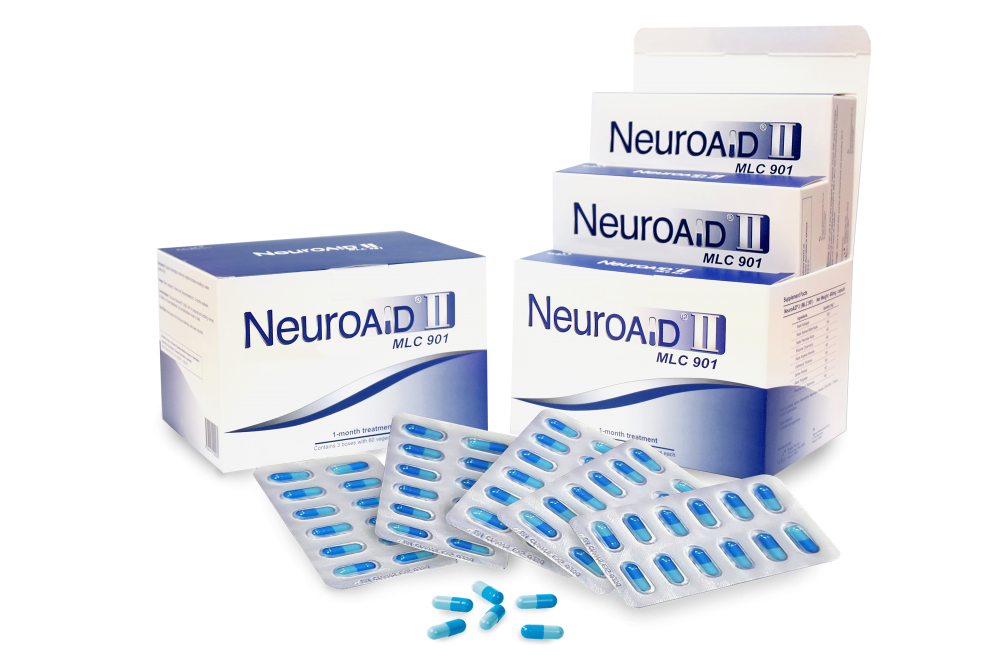
If you would like more information about NeuroAiD II, please fill out this contact form.
"*" indicates required fields


