
Cardioembolic stroke is one of the most common types of ischemic stroke. It occurs when a blood clot formed in the heart travels through the bloodstream to a cerebral artery, blocking blood flow to part of the brain. Because the interruption of blood supply occurs abruptly, symptoms usually develop suddenly and require immediate medical attention.
Understanding how a cardioembolic stroke occurs, its risk factors, and the available treatments can help improve prognosis and reduce the risk of recurrent events.
What is a cardioembolic stroke?
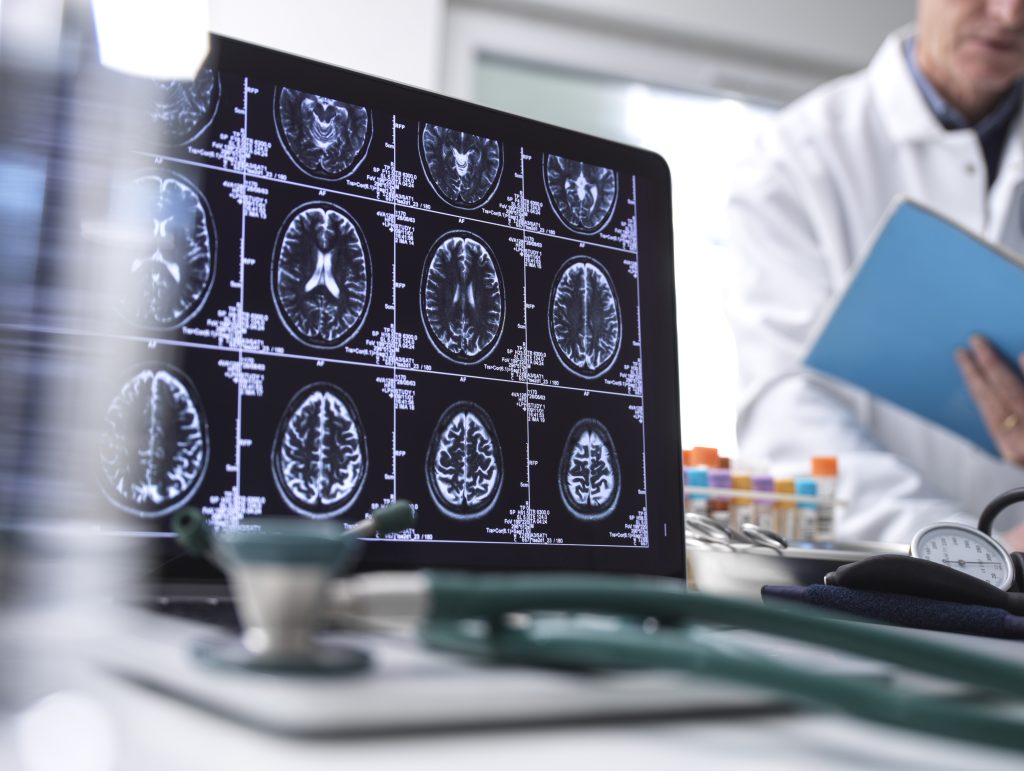
A cardioembolic stroke belongs to the group of ischemic strokes, which account for approximately 80–85% of all strokes.
In this case, the problem does not originate in the arteries of the neck or brain, but in the heart. A thrombus forms in the heart and, when it becomes dislodged, turns into an embolus that can travel to the cerebral circulation and block an artery.
The lack of oxygen and nutrients causes neurons to begin sustaining damage within minutes, making rapid treatment essential.
Main causes of cardioembolic stroke
Several heart conditions increase the risk of blood clot formation.
The most common include:
- Atrial fibrillation.
- Recent acute myocardial infarction.
- Cardiomyopathies.
- Heart valve disease.
- Prosthetic heart valves.
- Infective endocarditis.
- Intracardiac thrombi.
- Patent foramen ovale in selected patients.
Atrial fibrillation is the most common cause. This heart rhythm disorder can cause blood to pool in certain chambers of the heart, promoting thrombus formation.
Risk factors
Certain factors increase the likelihood of developing heart disease and experiencing a cardioembolic stroke.
These include:
- Advanced age.
- High blood pressure.
- Diabetes.
- High cholesterol.
- Heart failure.
- Coronary artery disease.
- Smoking.
- Obesity.
- Physical inactivity.
- Excessive alcohol consumption.
Keeping these risk factors under control can significantly reduce the risk of another cerebrovascular event.
Symptoms of cardioembolic stroke
Symptoms develop suddenly and depend on the area of the brain affected.
The most common signs include:
- Weakness or paralysis on one side of the body.
- Loss of sensation in the face, arm, or leg.
- Difficulty speaking or understanding language.
- Facial drooping.
- Visual disturbances.
- Loss of balance.
- Severe dizziness.
- Sudden headache in some cases.
- Sudden confusion.
If any of these symptoms occur, urgent medical attention is essential.
How is it diagnosed?
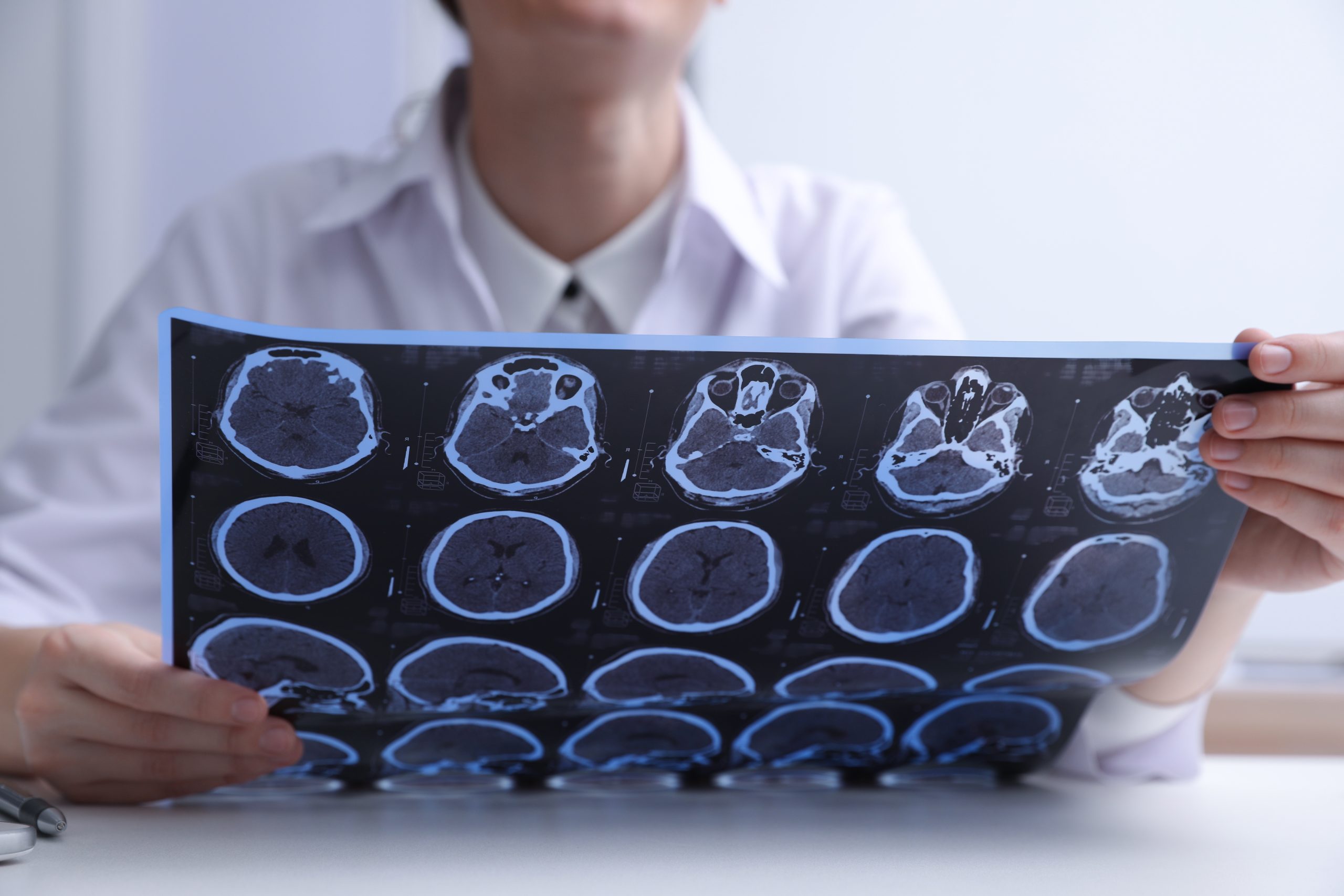
The diagnosis combines neurological assessment with imaging tests and cardiac evaluation.
The most commonly used investigations include:
- Computed tomography (CT).
- Brain magnetic resonance imaging (MRI).
- CT angiography (CTA) or MR angiography (MRA).
- Electrocardiogram (ECG).
- Echocardiogram.
- Prolonged cardiac rhythm monitoring.
- Blood tests.
In many patients, prolonged monitoring devices are also used for several days to detect episodes of atrial fibrillation that might otherwise go unnoticed.
Treatment in the acute phase
Treatment depends on the time elapsed since the onset of symptoms and the patient’s individual characteristics.
The main treatment options include:
Intravenous thrombolysis
When the patient arrives at the hospital within the first few hours and meets specific eligibility criteria, medication may be administered to dissolve the blood clot.
Mechanical thrombectomy
In some cases, particularly when a large artery is blocked, specialists may remove the blood clot using an endovascular procedure.
Hospital care
In addition to specific treatment, it is essential to monitor:
- Blood pressure.
- Blood glucose levels.
- Oxygenation.
- Body temperature.
- Potential complications.
Prevention of recurrent strokes
Once the cardiac source has been identified, preventive treatment plays a fundamental role.
Depending on the underlying cause, the specialist may recommend:
- Oral anticoagulants.
- Management of atrial fibrillation.
- Treatment of heart failure.
- Correction of certain valvular abnormalities.
- Strict control of cardiovascular risk factors.
The aim is to prevent the formation of new blood clots.
Recovery after a cardioembolic stroke
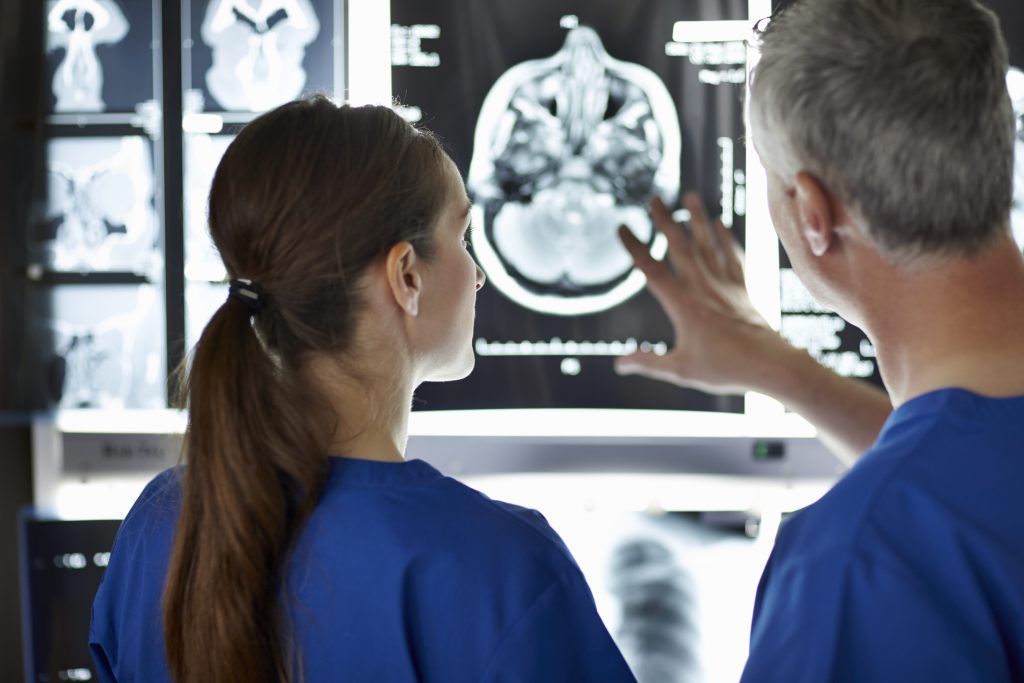
Recovery varies considerably among patients.
Several factors can influence recovery, including:
- Size of the cerebral infarction.
- Area of the brain affected.
- How quickly treatment was initiated.
- Age.
- Overall health status.
- Presence of pre-existing medical conditions.
Some people recover a significant proportion of their abilities within a few months, while others require longer periods of rehabilitation.
The importance of rehabilitation
Rehabilitation should begin as early as possible when the patient’s clinical condition allows.
It generally includes:
- Physiotherapy to restore mobility and balance.
- Occupational therapy to improve independence.
- Speech and language therapy when language or swallowing difficulties are present.
- Cognitive rehabilitation to address memory, attention, and executive functions.
Treatment is usually tailored to the specific needs of each patient.
Can a cardioembolic stroke be prevented?
In many cases, the risk can be reduced.
The main recommendations include:
- Controlling blood pressure.
- Adhering to anticoagulant therapy when prescribed.
- Managing atrial fibrillation.
- Maintaining a healthy weight.
- Engaging in regular physical activity.
- Avoiding smoking.
- Limiting alcohol consumption.
- Managing diabetes and cholesterol levels.
- Attending scheduled cardiology follow-up appointments.
A combination of healthy lifestyle habits and appropriate medical follow-up is the most effective strategy for reducing the risk of recurrence.
Conclusion
Cardioembolic stroke is a type of ischemic stroke caused by a blood clot that travels from the heart to the brain. Its onset is usually sudden and requires urgent treatment to minimize brain damage. After the acute phase, identifying the underlying cardiac cause, controlling risk factors, and following the prescribed preventive treatment are essential for reducing the risk of recurrent events and promoting the best possible functional recovery.
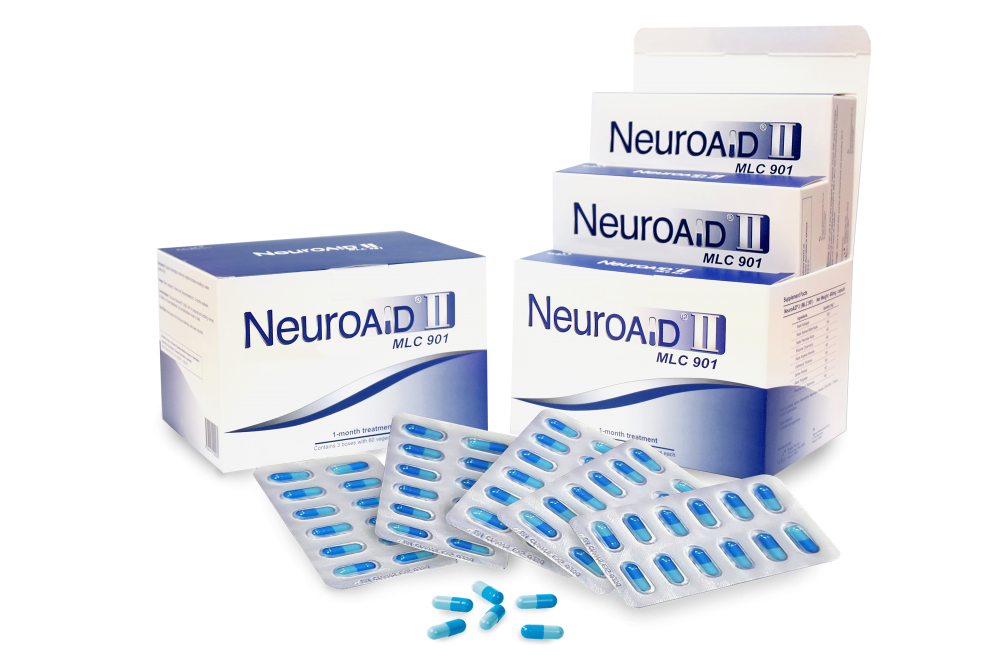
If you need information about NeuroAiD II, please fill out this contact form.
"*" indicates required fields


