


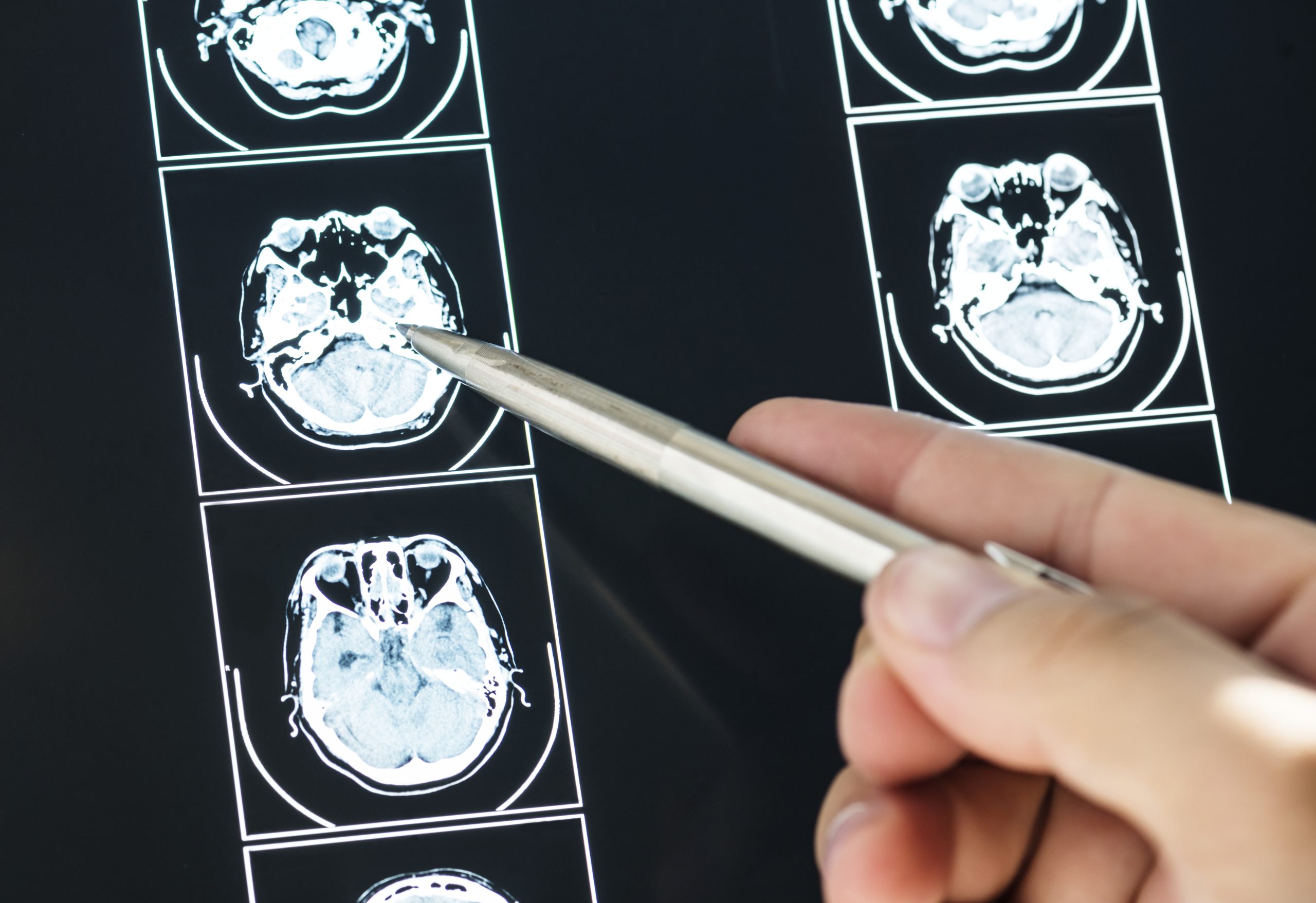

Intraventricular hemorrhage is a type of cerebral bleeding that occurs when blood enters the brain’s ventricles, which are cavities filled with cerebrospinal fluid. It is a serious condition that may occur as a result of a hemorrhagic stroke, traumatic brain injury, or the extension of a pre-existing cerebral hemorrhage. The prognosis depends on how quickly the condition is diagnosed, the amount of blood accumulated, and the treatment received.
What is an intraventricular hemorrhage?

Intraventricular hemorrhage (IVH) refers to the presence of blood within the brain’s ventricular system. The ventricles are structures responsible for producing and circulating cerebrospinal fluid, which plays an essential role in protecting and supporting the brain.
When hemorrhage occurs, blood can obstruct the normal flow of cerebrospinal fluid, increasing intracranial pressure and damaging the surrounding brain tissue. In adults, IVH commonly occurs as a complication of intracerebral hemorrhage, whereas in premature newborns, it has different causes related to brain immaturity.
What are the causes of an intraventricular hemorrhage?
The causes may vary depending on the patient’s age, although the most common causes in adults include:
- Intracerebral hemorrhage extending into the ventricles.
- Uncontrolled high blood pressure.
- Ruptured cerebral aneurysms.
- Arteriovenous malformations.
- Head trauma.
- Blood clotting disorders.
- Use of anticoagulant medications.
In older adults, chronic hypertension remains one of the main risk factors.
Symptoms of an intraventricular hemorrhage
The symptoms usually develop suddenly and require immediate medical attention. The most common include:
- Sudden, severe headache.
- Decreased level of consciousness.
- Drowsiness or difficulty waking.
- Nausea and vomiting.
- Weakness on one side of the body.
- Difficulty speaking.
- Visual disturbances.
- Seizures.
- Loss of balance.
When the bleeding causes acute hydrocephalus, neurological deterioration can occur very rapidly.
How is it diagnosed?
The diagnosis is primarily based on imaging studies.
The most commonly used techniques include:
- Computed tomography (CT): the initial imaging test used to rapidly identify the presence of blood within the ventricles.
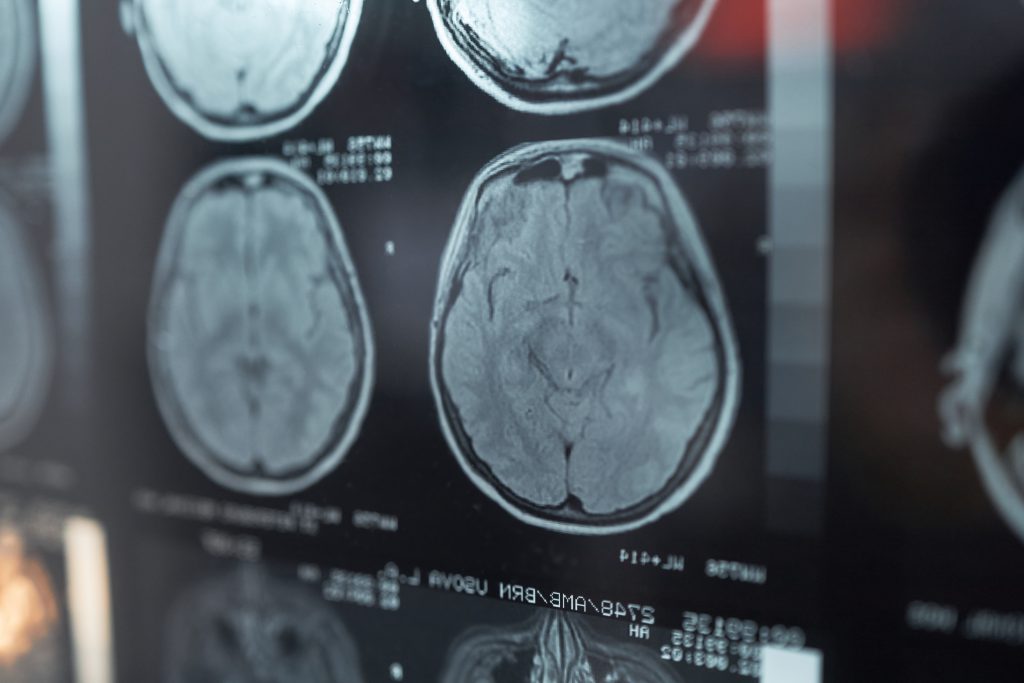
- Magnetic resonance imaging (MRI): provides more detailed information about the source of the bleeding and associated lesions.
- Cerebral angiography: may be required to detect aneurysms or vascular malformations responsible for the bleeding.
Blood tests are also performed to assess coagulation and identify other possible abnormalities.
Treatment of intraventricular hemorrhage
Treatment depends on the severity of the bleeding and the patient’s clinical condition.
The main measures include:
Blood pressure control
Mantener una presión arterial adecuada ayuda a reducir el riesgo de que el sangrado aumente.
Manejo de la presión intracraneal
When hydrocephalus or a significant increase in intracranial pressure occurs, an external ventricular drain may be required to drain cerebrospinal fluid and reduce pressure.
Treatment of the underlying cause
If the underlying cause is an aneurysm or vascular malformation, surgery or endovascular treatment may be required once the patient has been stabilized.
Intensive care
Many patients require admission to an intensive care unit for continuous monitoring of neurological function and management of potential complications.
Possible complications
Intraventricular hemorrhage can lead to various complications, including:
- Hydrocephalus.
- Increased intracranial pressure.
- Infections associated with ventricular drains.
- Seizures.
- Cognitive impairment.
- Permanent motor deficits.
- Speech disorders.
- Memory and attention impairments.
The development of these complications depends on the volume of bleeding and how quickly treatment is initiated.
Recovery after an intraventricular hemorrhage
Recovery varies considerably. Some patients experience progressive improvement during the first few months, while others may have permanent neurological deficits.
The main factors influencing prognosis include:
- The patient’s age.
- The amount of blood within the ventricles.
- Level of consciousness at admission.
- Presence of hydrocephalus.
- How quickly treatment is initiated.
- Pre-existing medical conditions.
Rehabilitation may include physiotherapy, occupational therapy, speech and language therapy, and neuropsychological rehabilitation, with the aim of restoring the highest possible level of independence.
Frequently asked questions about intraventricular hemorrhage
Is intraventricular hemorrhage a stroke?
It may be part of a hemorrhagic stroke when blood from a cerebral hemorrhage extends into the ventricles. It may also result from other causes, such as head trauma or aneurysms.
Is it a serious condition?
Yes. It is considered a neurological emergency because it can rapidly increase intracranial pressure and compromise vital functions.
Can it cause long-term effects?
Yes. Some people recover a significant degree of function, while others experience motor, cognitive, or language-related impairments that require rehabilitation.
Does it always require surgery?
No. Treatment depends on the individual case. Some patients require only intensive medical management, while others may need ventricular drainage or procedures to treat the underlying cause of the bleeding.
Conclusion
Intraventricular hemorrhage is a medical emergency that requires rapid diagnosis and specialized treatment. Bleeding within the brain’s ventricles can lead to serious complications, particularly when hydrocephalus develops or intracranial pressure increases. Early management, together with appropriate rehabilitation when necessary, can improve the chances of recovery and reduce the impact of long-term neurological deficits.
If you need information about NeuroAiD II, please fill out this contact form.
"*" indicates required fields


