


The brain requires a constant blood flow to function properly. Any disruption in the delivery of oxygen and nutrients can lead to severe neurological damage, often irreversible. In this context, two terms frequently confused but not equivalent are cerebral hypoperfusion and ischemia. Understanding the difference between them is essential for early diagnosis, appropriate treatment selection, and prevention of long-term sequelae.
What is cerebral hypoperfusion
Cerebral hypoperfusion occurs when blood flow to the brain is globally reduced. It is not necessarily caused by a localized obstruction, but rather by a generalized issue affecting blood pressure or volume, which limits the amount of oxygen available to the entire brain tissue.
Among the most common causes are severe hypotension, hypovolemic shock, advanced heart failure, and certain arrhythmias. It may also occur during complex surgical procedures or in situations of transient cardiac arrest. Cerebral hypoperfusion leads to a state of diffuse neuronal distress which, if not rapidly reversed, can result in irreversible injury.
What is cerebral ischemia
Cerebral ischemia, on the other hand, occurs when there is a partial or complete obstruction of an artery that prevents blood flow to a specific region of the brain. It is a localized process typically associated with thrombi, emboli, or atherosclerotic plaques.
Unlike hypoperfusion, ischemia does not affect the brain globally but is confined to a specific vascular territory supplied by the obstructed artery. This explains why symptoms vary depending on the affected brain region, such as unilateral paralysis, vision loss in one eye, or speech disturbances, among others.
Difference between cerebral hypoperfusion and ischemia
The difference between cerebral hypoperfusion and ischemia lies in the underlying mechanism and the extent of damage. The former corresponds to a generalized reduction in cerebral blood flow, while the latter is a localized arterial obstruction.
-
In cerebral hypoperfusion, the underlying issue is typically due to systemic disturbances, such as a drop in blood pressure or cardiac failure.
-
In ischemia, the origin is typically vascular and focal, such as thrombus formation or embolus migration.
-
Cerebral hypoperfusion may improve with correction of the hemodynamic status, whereas ischemia requires specific interventions such as thrombolysis or thrombectomy.
This distinction is critical because the treatment is not the same, and confusion between the two can delay appropriate care.
Clinical signs and symptoms
Although they share some common signs, there are differences in their clinical presentation. Cerebral hypoperfusion typically manifests with diffuse symptoms such as dizziness, syncope, confusion, blurred vision, or transient loss of consciousness. These are global signs reflecting a generalized reduction in cerebral blood flow.
In cerebral ischemia, symptoms tend to be focal. Depending on the affected area, patients may present with hemiparesis, aphasia, visual field deficits, or loss of coordination on one side of the body. These manifestations reflect a localized neurological deficit, typical of an ischemic stroke.
In clinical practice, distinguishing these symptoms is essential to guide the diagnosis toward cerebral hypoperfusion and ischemia as distinct entities.
Diagnostic methods
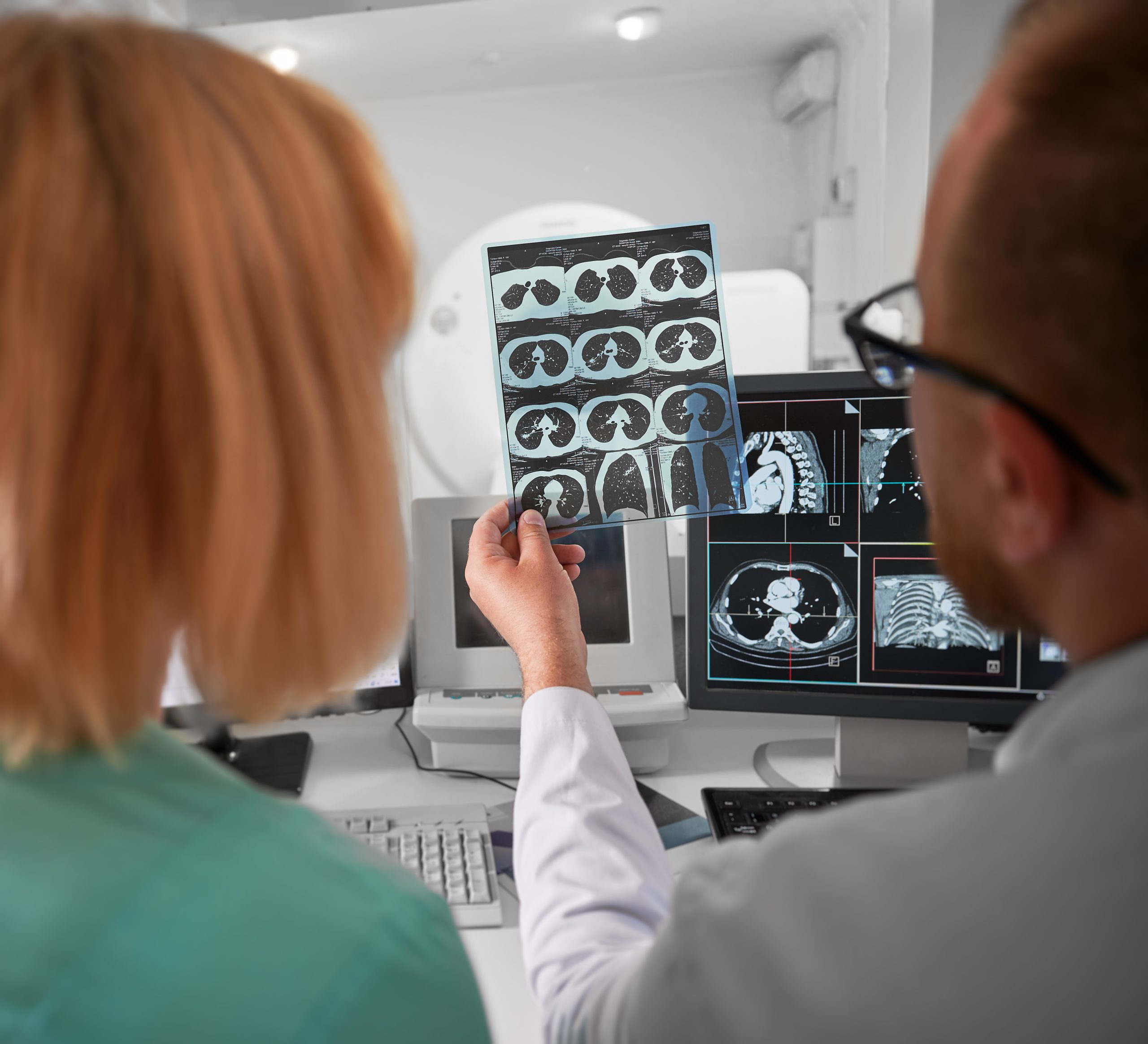
Early diagnosis is essential to prevent irreversible damage. In cerebral hypoperfusion, diagnostic tests typically show a global reduction in blood flow, which can be confirmed with studies such as transcranial Doppler, perfusion CT, or functional MRI.
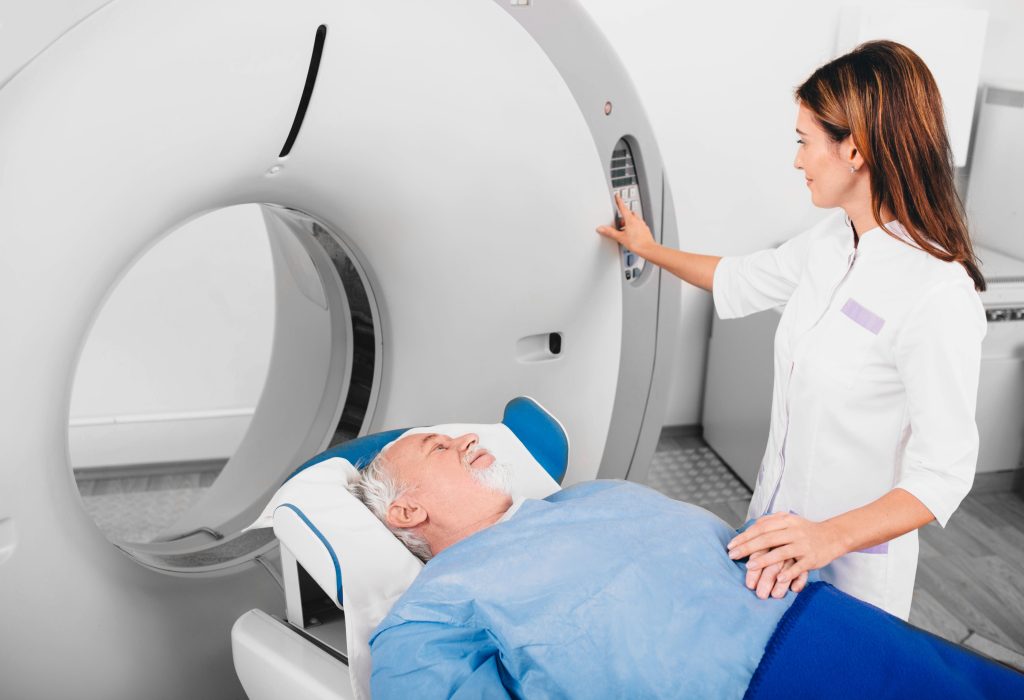
In cerebral ischemia, imaging studies allow identification of the specific affected vascular territory. CT scan and MRI are key tools to localize the obstruction, while CT angiography or MR angiography provide precise visualization of the affected artery.
In this way, complementary tests ultimately confirm the difference between cerebral hypoperfusion and ischemia, guiding the therapeutic plan.
Available treatments

The management approach for each condition is different.
In cerebral hypoperfusion, the primary objective is to restore global circulation. This is achieved through hemodynamic stabilization using intravenous fluids, vasopressor agents, or cardiac support. The goal is to ensure adequate oxygen delivery to the entire brain tissue.
In cerebral ischemia, the priority is to restore blood flow in the affected artery as quickly as possible. This involves techniques such as intravenous thrombolysis, which uses clot-dissolving agents, or mechanical thrombectomy, where the thrombus is removed באמצעות a catheter. The faster the intervention, the greater the likelihood of reducing long-term sequelae.
The fact that the therapeutic strategies are so different highlights the importance of distinguishing between cerebral hypoperfusion and ischemia from the outset.
Prognosis and consequences
Prognosis depends on the speed of diagnosis and intervention. Cerebral hypoperfusion may be reversible if the underlying cause is corrected promptly, but if prolonged, it can lead to diffuse injury, including irreversible damage in critical areas of the brain.
Cerebral ischemia, on the other hand, often results in focal sequelae if not treated within the first hours. The concept of the therapeutic window is critical in these cases, as the likelihood of recovery decreases dramatically after six hours from symptom onset.
In both scenarios, neurocognitive and motor rehabilitation is essential to restore function and improve the patient’s quality of life.
Conclusion
Although they are sometimes used interchangeably, cerebral hypoperfusion and ischemia are not the same. The former represents a generalized reduction in cerebral blood flow, while the latter corresponds to a localized obstruction. Differentiating between the two allows for appropriate clinical decision-making, correct treatment selection, and improved chances of recovery.
In summary, understanding the difference between cerebral hypoperfusion and ischemia is important not only for healthcare professionals, but also for patients and caregivers seeking to better understand the origin of neurological symptoms and the importance of acting quickly in response to any warning signs.
If you would like more information about NeuroAiD II, please fill out this contact form.
"*" indicates required fields


