


The relationship between diet and brain health has gained significant attention in recent years. One of the most intense debates revolves around saturated fat consumption and stroke, as different studies have shown both negative associations and nuances depending on the type of fat and the dietary context. Understanding this connection is essential for preventing cerebrovascular diseases and improving quality of life.
What is a stroke and why it is a concern
A stroke occurs when blood flow to the brain is disrupted. It can be ischemic, when there is a blockage in an artery, or hemorrhagic, when a blood vessel ruptures. In both cases, brain tissue is damaged and serious consequences may occur: mobility problems, language difficulties, or even death. Saturated fat consumption and stroke are studied precisely because diet directly influences the health of blood vessels.
What are saturated fats

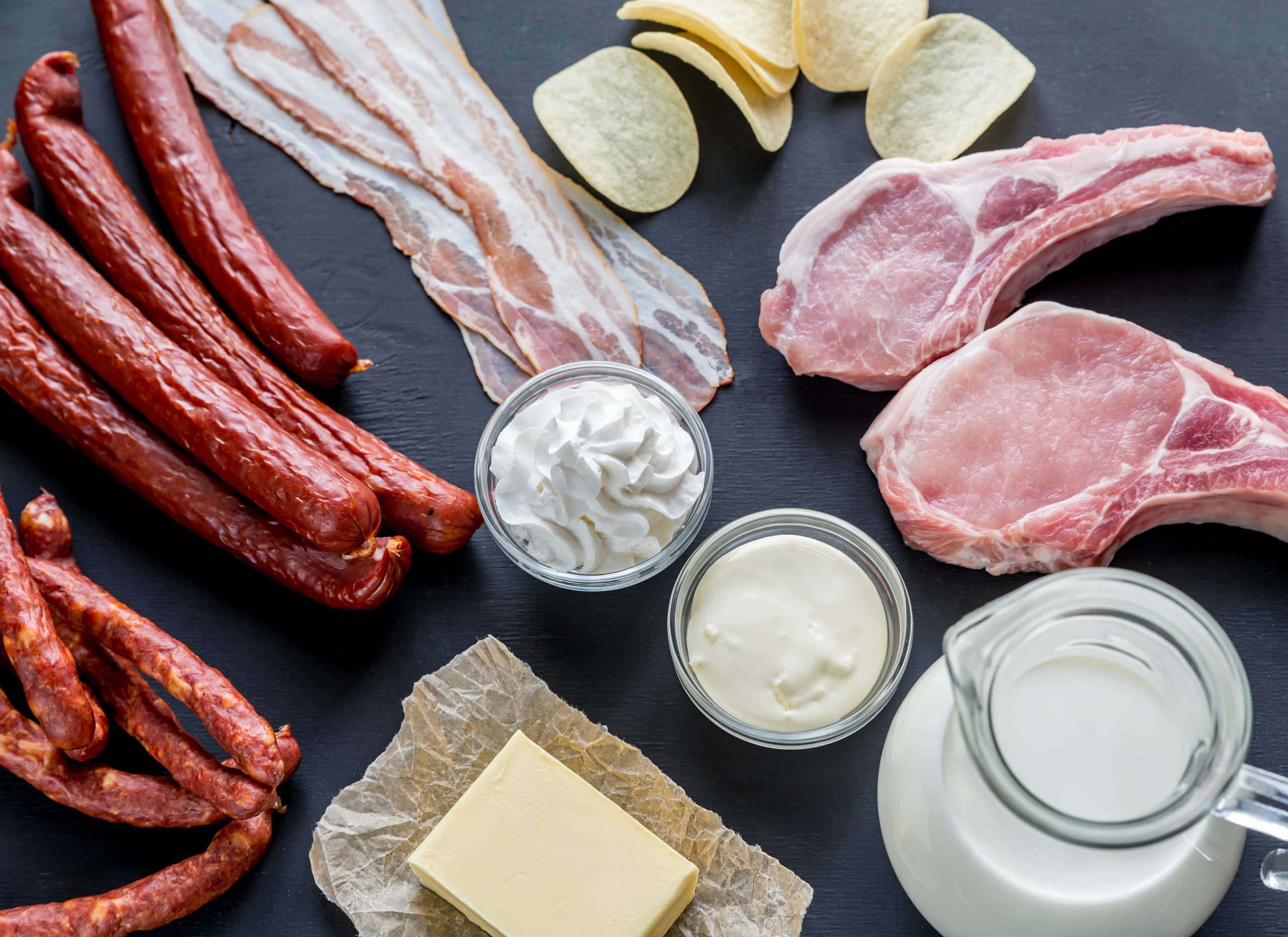
Saturated fats are lipids naturally present in many foods of animal origin and some plant-based sources. They are found in red meat, processed meats, full-fat dairy products, butter, coconut oil, and palm oil. For decades, they have been associated with increasing LDL cholesterol, known as “bad cholesterol,” which may promote atherosclerosis. This process involves the buildup of plaques in the arteries, which in turn increases the likelihood of having a stroke. For this reason, the close relationship between saturated fat consumption and stroke is widely discussed in medical research.
Mechanisms that explain the relationship
The link between saturated fat consumption and stroke can be understood through several physiological processes:
-
Increase in LDL cholesterol: saturated fats raise the levels of low-density lipoproteins, which promote the formation of atherosclerotic plaques.
-
Vascular inflammation: an excess in the diet can trigger inflammatory processes that damage the arterial walls.
-
Arterial stiffness: excess saturated fats reduce the elasticity of blood vessels.
-
Interaction with other factors: the combination of a sedentary lifestyle, hypertension, and smoking amplifies the negative effects of a diet high in saturated fats.
All these factors help explain why science has repeatedly associated saturated fat consumption and stroke.
Scientific evidence
The scientific literature provides mixed results. Some epidemiological studies, such as the Seven Countries Study, found a clear relationship between saturated fat intake and an increase in cardiovascular and cerebrovascular events. However, more recent research has nuanced this view, suggesting that not all saturated fats have the same impact and that the overall diet is a determining factor.
For example, an analysis published in the American Journal of Clinical Nutrition showed that replacing saturated fats with polyunsaturated fats significantly reduces the risk of stroke. These findings reinforce the idea that the issue is not only saturated fat consumption and stroke, but also the proportion of different types of fats in the diet.
Differences between types of fats
To better understand the topic, it is useful to differentiate:
-
Saturated fats: found in butter, aged cheeses, fatty meats, and palm oil. Excessive consumption is linked to stroke.
-
Unsaturated fats: include monounsaturated (olive oil, avocado) and polyunsaturated (fatty fish, nuts). These are protective against stroke.
-
Trans fats: industrial products such as margarines, pastries, and snacks. They are the most harmful and are directly linked to an increased risk of stroke.
Thus, saturated fat consumption and stroke should be analyzed in the context of the overall diet: a diet rich in processed meats is not the same as a Mediterranean diet, where the intake of saturated fats is balanced with other protective nutrients.
Dietary context and lifestyle
The impact of saturated fat consumption and stroke does not depend solely on the amount of fat consumed. Factors such as physical activity level, smoking, blood pressure, and blood sugar control also play a role. A person who consumes moderate amounts of saturated fats within a diet rich in fruits, vegetables, whole grains, and fish may have a much lower risk than someone whose diet is dominated by fast food and ultra-processed products.
Recommendations from international organizations
The World Health Organization recommends that saturated fats should not exceed 10% of total daily caloric intake. For a 2,000-calorie diet, this corresponds to about 22 grams of saturated fat. Consistently exceeding this limit increases the risk of stroke. For this reason, nutrition specialists emphasize the need to moderate their intake and prioritize unsaturated fats. The goal is to maintain a balance that reduces the relationship between saturated fat consumption and stroke.
Prevention strategies

Some practical measures to reduce the associated risk are:
-
Replace butter with olive oil.
-
Choose low-fat dairy products.
-
Prefer lean meats and reduce processed meats.
-
Increase the consumption of fatty fish and nuts.
-
Avoid industrial pastries and frequent fried foods.
These habits help reduce the association between saturated fat consumption and stroke, strengthening cardiovascular and brain health.
Conclusion
The debate about the role of saturated fats remains open, but the evidence indicates that excessive intake is harmful, especially when combined with other risk factors. The link between saturated fat consumption and stroke is supported by epidemiological studies and well-documented biological mechanisms. The key is not to eliminate them completely, but to moderate their presence in the diet and replace them with healthier fats. Adopting balanced dietary patterns, such as the Mediterranean diet, along with regular exercise and control of risk factors, is the best strategy to protect the brain and prevent strokes.
If you would like more information about NeuroAiD II, please fill out this contact form.
"*" indicates required fields


