
A corpus callosum injury is a neurological condition that can affect communication between the two hemispheres of the brain. Although it is relatively uncommon, it can cause cognitive, motor, and sensory difficulties that vary depending on the extent and location of the damage.
Understanding what the corpus callosum is, what can cause injury to it, and which symptoms may occur is essential for recognizing this condition and planning an appropriate rehabilitation program.
What is the corpus callosum?
The corpus callosum is the largest white matter structure in the brain. It consists of millions of nerve fibers that connect the right and left cerebral hemispheres, allowing them to exchange information rapidly and efficiently.
The corpus callosum enables the brain to coordinate functions such as:
- Movement on both sides of the body.
- Language processing.
- Memory and attention.
- Integration of visual and sensory information.
- Problem-solving and planning.
When this connection is disrupted by an injury, communication between the two hemispheres may be impaired.
What are the causes of a corpus callosum injury?
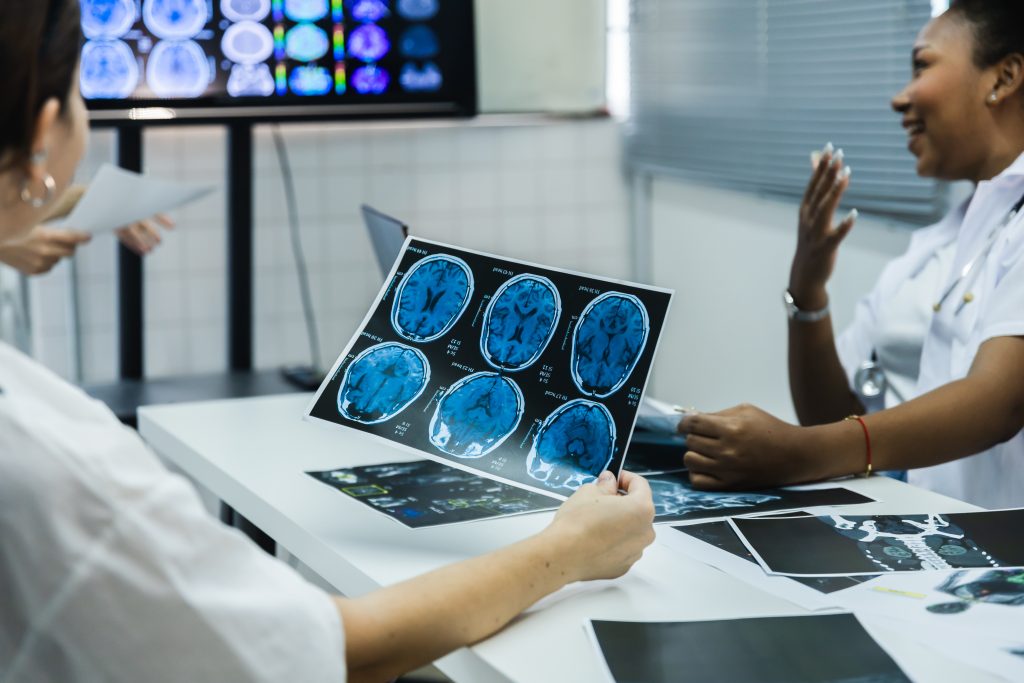
There are several causes that can lead to a corpus callosum injury, including:
- Stroke.
- Traumatic brain injury.
- Multiple sclerosis.
- Brain tumors.
- Inflammatory or autoimmune diseases.
- Central nervous system infections.
- Congenital developmental abnormalities.
The severity of the symptoms will depend on both the underlying cause and the number of nerve fibers affected.
Symptoms of a corpus callosum injury
Symptoms can vary considerably. Some people experience mild impairments, while others develop significant difficulties performing everyday activities.
The most common symptoms include:
Coordination problems
There may be difficulty coordinating movements that require the simultaneous involvement of both hands or both sides of the body.
Cognitive impairments
Some people may experience:
- Slower information processing.
- Attention problems.
- Difficulty performing complex tasks.
- Memory impairments.
Language difficulties
In some cases, individuals may experience difficulty naming objects, understanding complex instructions, or integrating verbal information.
Sensory disturbances
The injury may impair the integration of sensory stimuli from both sides of the body.
Behavioral changes
Depending on the extent of the injury, the following may be observed:
- Reduced ability to plan.
- Emotional changes.
- Impulsivity.
- Difficulty adapting to new situations.
Can a stroke cause a corpus callosum injury?
Yes. Although it is not the most common location, a stroke can affect the corpus callosum when blood flow to this region is compromised.
In these cases, unusual symptoms may occur, making the initial diagnosis more difficult. Therefore, neuroimaging studies are essential to confirm the injury.
How is it diagnosed?
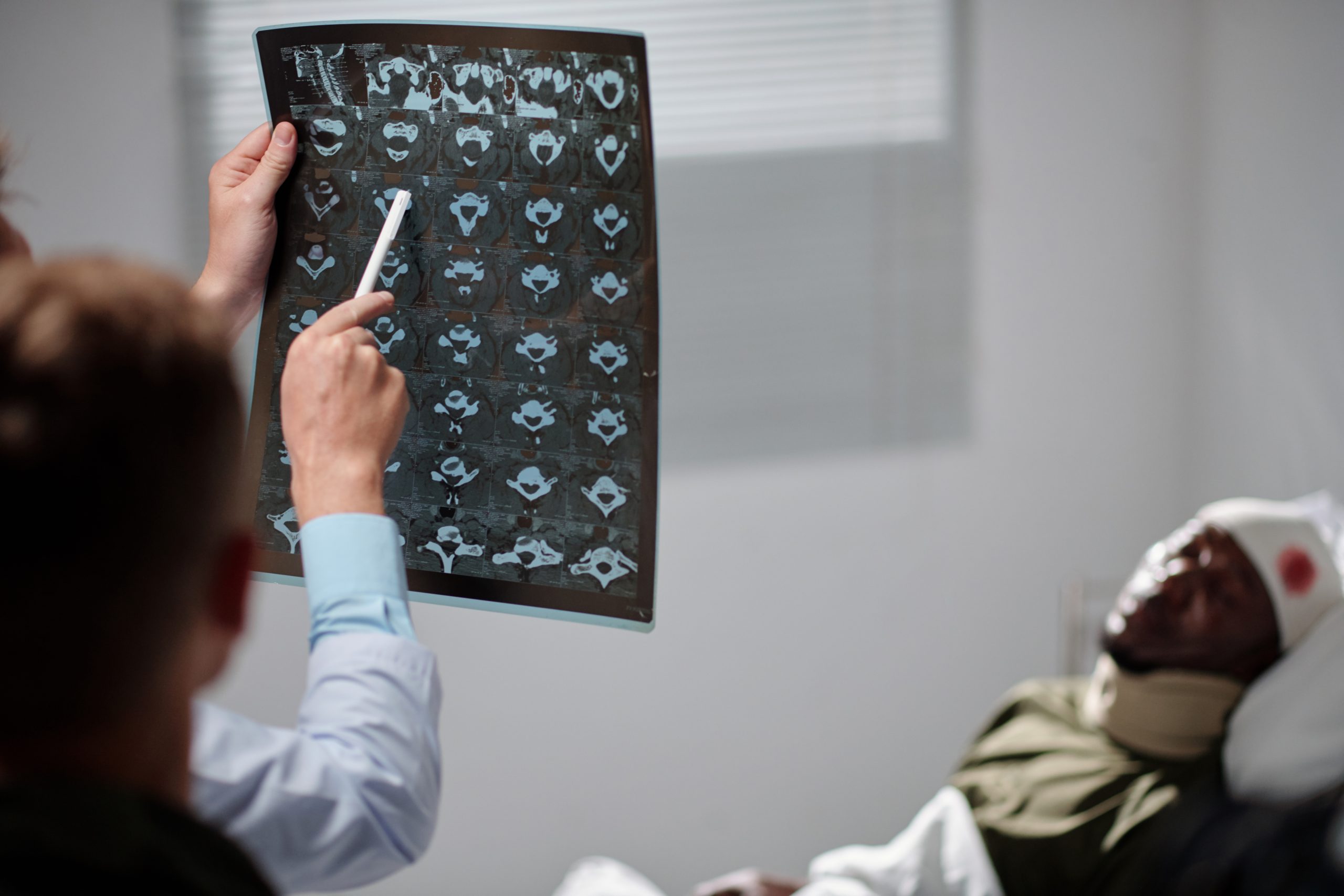
Diagnosis combines neurological examination with imaging studies.
The most commonly used assessments include:
- Brain magnetic resonance imaging (MRI).
- Computed tomography (CT).
- Neuropsychological assessments.
- Functional assessment by the rehabilitation team.
These assessments help determine the exact location of the damage and guide treatment.
Treatment of corpus callosum injury
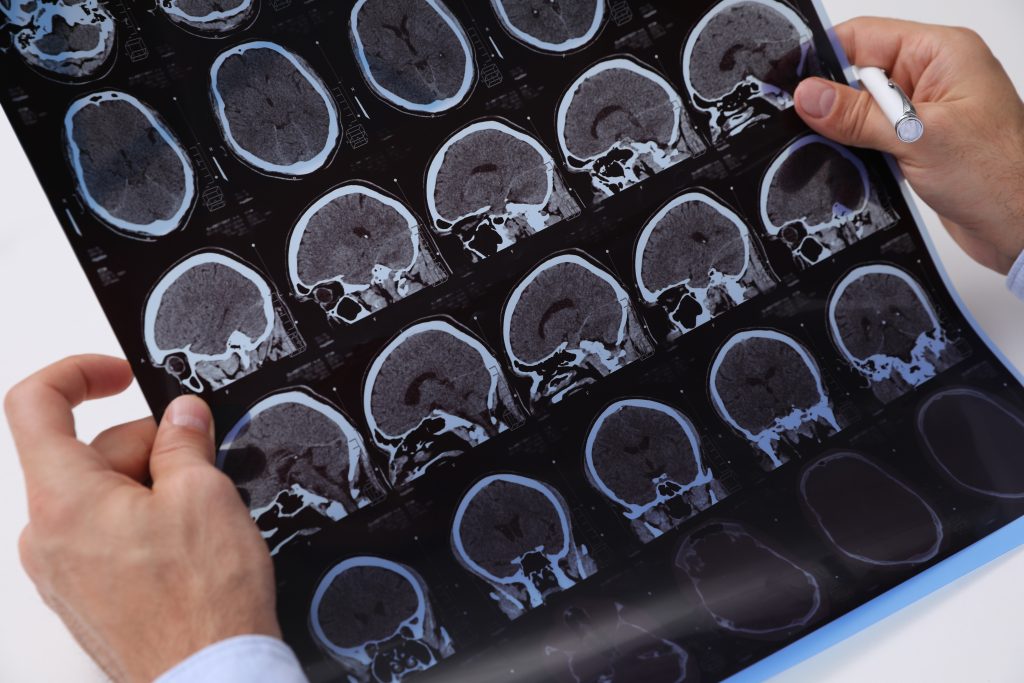
There is no single treatment for all corpus callosum injuries. Management will depend on the underlying cause of the damage.
The most common interventions include:
- Treatment of the underlying condition.
- Physical rehabilitation.
- Occupational therapy.
- Speech and language therapy when language impairments are present.
- Cognitive rehabilitation.
The primary goal is to improve functional abilities and support the patient’s adaptation.
Conclusion
A corpus callosum injury can affect communication between the two cerebral hemispheres and cause motor, cognitive, and behavioral impairments of varying severity. Although the prognosis varies from case to case, early diagnosis and a tailored rehabilitation program can significantly contribute to improving the patient’s independence and quality of life.
If you need information about NeuroAiD II, please complete this contact form
"*" indicates required fields


