

A corona radiata injury is a neurological condition that can significantly affect mobility, sensation, and other functions of the nervous system. This structure consists of a bundle of nerve fibers that transmit information between the cerebral cortex and other regions of the brain and spinal cord. When these pathways are damaged, various neurological deficits may occur, with their severity depending on the extent and location of the injury.
What is the corona radiata?
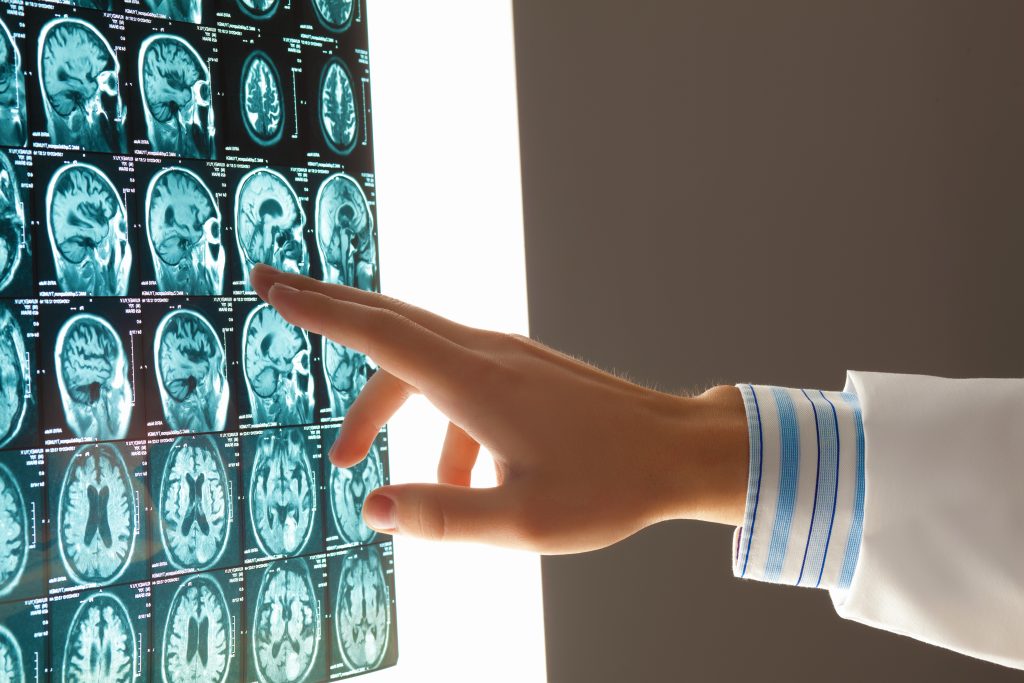
The corona radiata is an extensive network of white matter fibers located deep within the brain. Its primary function is to transmit nerve signals between the cerebral cortex and deeper brain structures.
These fibers are involved in essential functions such as:
- Control of voluntary movement.
- Transmission of sensory information.
- Motor coordination.
- Processing of cognitive information.
- Communication between different areas of the brain.
Because of its important role, any injury to this region can affect several functions simultaneously.
What can cause a corona radiata injury?
Several diseases and conditions can damage this brain structure.
The most common causes include:
- Stroke.
- Cerebral hemorrhage.
- Traumatic brain injury.
- Multiple sclerosis.
- Brain tumors.
- Central nervous system infections.
- Inflammatory or vascular diseases.
Among these, stroke is one of the most common causes of corona radiata injury.
Symptoms of a corona radiata injury
Symptoms depend on the type of nerve fibers affected and the extent of the damage.
Weakness or paralysis
One of the most common signs is weakness on one side of the body (hemiparesis) or even paralysis (hemiplegia), as many motor fibers pass through this region.
Sensory disturbances
Some people may experience:
- Tingling.
- Numbness.
- Reduced sensitivity to touch.
- Altered perception of pain or temperature.
Difficulty walking
The injury can cause balance problems and difficulty coordinating movements while walking.
Spasticity
Over time, muscle stiffness and increased muscle tone may develop, particularly in patients who have experienced a stroke.
Cognitive difficulties
When the injury is extensive, difficulties with attention, processing speed, or task planning may also occur.
How is it diagnosed?
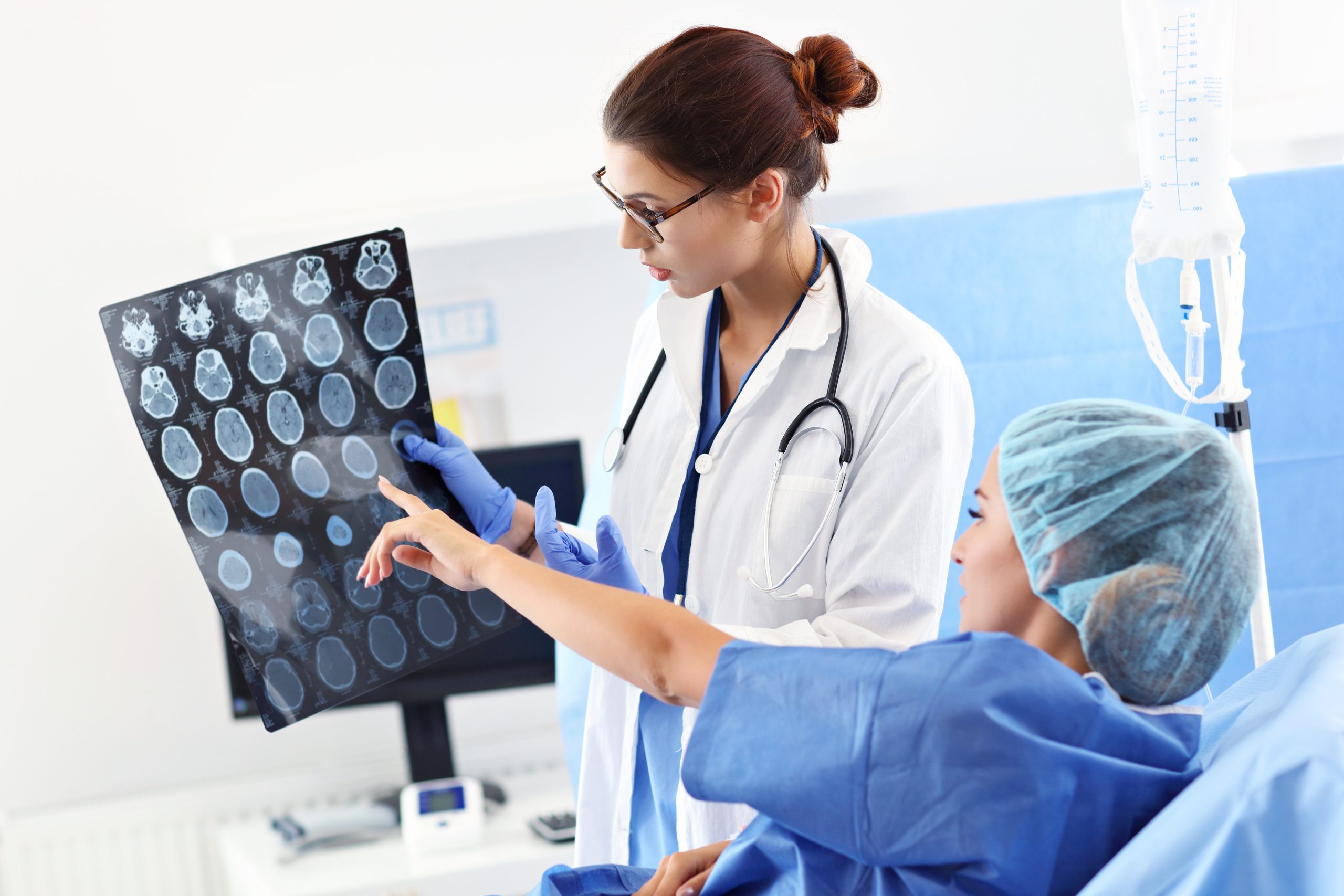
Diagnosis begins with a comprehensive neurological examination and is confirmed through imaging studies.
The most commonly used tests include:
- Magnetic resonance imaging (MRI).
- Computed tomography (CT).
- Vascular imaging when a stroke is suspected.
- Neuropsychological and functional assessments when necessary.
These tests help identify the precise location of the injury and guide treatment.
Treatment of corona radiata injury
Treatment depends on the underlying cause of the injury.
For example:
- In an ischemic stroke, treatment aims to restore blood flow when possible and prevent further events.
- In a cerebral hemorrhage, treatment focuses on controlling the bleeding and its complications.
- In inflammatory diseases, treatments specific to the underlying condition are used.
Once the condition has been stabilized, rehabilitation plays a fundamental role.
The importance of rehabilitation
Recovery often requires the involvement of a multidisciplinary team.
The main therapies include:
- Physiotherapy to improve strength and mobility.
- Occupational therapy to regain independence in activities of daily living.
- Speech and language therapy if speech or swallowing difficulties are present.
- Cognitive rehabilitation when problems with memory, attention, or executive functions occur.
The intensity and duration of treatment depend on each patient’s individual needs.
Is recovery possible?
The prognosis varies considerably and depends on multiple factors:
- The cause of the injury.
- The size of the affected area.
- How quickly treatment is initiated.
- The patient’s age.
- Overall health status.
- Adherence to rehabilitation.
Many people experience progressive improvement during the first few months due to neuroplasticity, the brain’s ability to reorganize its neural connections and partially compensate for lost functions.
Possible long-term effects
Some people achieve an almost complete recovery, while others may experience persistent long-term effects, such as:
- Weakness on one side of the body.
- Gait disturbances.
- Spasticity.
- Fatigue.
- Coordination problems.
- Difficulty performing fine motor movements.
Medical follow-up and continued rehabilitation are essential to maximize functional recovery.
Conclusion
A corona radiata injury can significantly affect mobility, sensation, and other neurological functions due to the role this structure plays in transmitting information within the brain. Although the prognosis depends on the underlying cause and the extent of the damage, early diagnosis, appropriate treatment, and an individualized rehabilitation program can significantly help improve the patient’s independence and quality of life.
If you would like more information about NeuroAiD II, please complete this contact form.
"*" indicates required fields


