




Déjerine-Roussy syndrome, also known as thalamic pain syndrome, is a neurological disorder that can occur following an infarction affecting the thalamus. It is characterized by a combination of initial sensory loss followed, in many cases, by the development of persistent pain on the opposite side of the body.
Although it is an uncommon complication of stroke, it can significantly affect quality of life due to sensory disturbances and neuropathic pain that may develop months after the lesion.
What is Déjerine-Roussy syndrome?

Déjerine-Roussy syndrome is a consequence of a lesion affecting the thalamus, a deep brain structure responsible for processing and relaying much of the sensory information to the cerebral cortex.
When certain regions of the thalamus are damaged by an infarction or, less commonly, by a hemorrhage, the processing of sensory stimuli can become significantly impaired.
What causes Déjerine-Roussy syndrome?
The most common cause is a thalamic infarction resulting from occlusion of small perforating arteries.
Other possible causes include:
- Thalamic hemorrhage.
- Cerebral small vessel disease.
- Vascular malformations.
- Tumors.
- Trauma.
- Rare inflammatory processes.
The precise location of the lesion within the thalamus influences the type and severity of symptoms.
Main symptoms
Symptoms typically develop in two phases.
Initial phase
During the first few days or weeks, the following symptoms may occur:
- Reduced sensation on the opposite side of the body.
- Altered perception of touch.
- Reduced sensitivity to pain and temperature.
- Numbness.
Late phase
Over time, some patients develop:
- Persistent pain on the affected side.
- Burning sensations.
- Hypersensitivity to touch.
- Pain triggered by stimuli that are normally not painful.
- Tingling.
- Altered temperature perception.
Not all patients develop thalamic pain, although when it occurs, it can be one of the most disabling manifestations.
Why does the pain occur?
The thalamus acts as a processing center for sensory information.
When its neural circuits are damaged, the transmission of nerve signals can become disrupted, causing normal stimuli to be interpreted abnormally by the brain.
This phenomenon explains the development of central post-stroke pain, a form of neuropathic pain associated with lesions of the central nervous system.
Diagnosis
Diagnosis is based on a combination of:
- A history of stroke or thalamic injury.
- Neurological examination.
- Assessment of sensory disturbances.
- Characteristics of the pain.
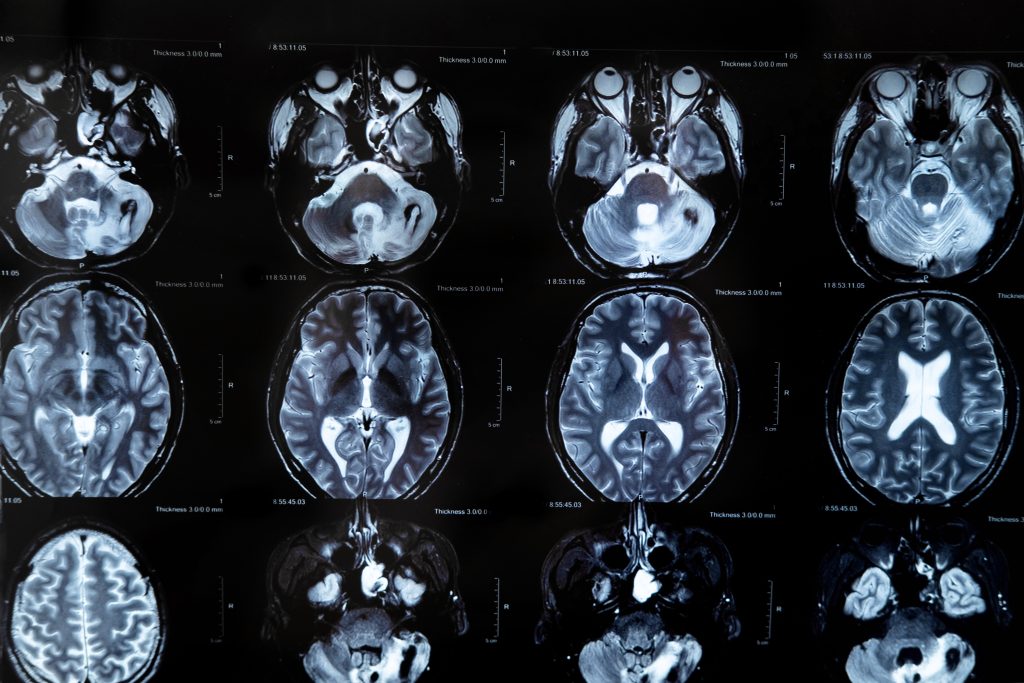
The most commonly used imaging tests include:
- Brain magnetic resonance imaging (MRI).
- Computed tomography (CT).
- Vascular studies when cerebrovascular disease is suspected.
These examinations help confirm the location of the underlying lesion.
Treatment
Treatment depends on both the initial stroke and the subsequent clinical manifestations.
Management may include:
- Specific treatment for the stroke.
- Medications for neuropathic pain when considered appropriate by the specialist.
- Neurological rehabilitation programs.
- Occupational therapy.
- Psychological support to facilitate adaptation to persistent symptoms.
Treatment is generally individualized according to each patient’s specific characteristics.
Prognosis
The clinical course is highly variable.
Some patients recover much of their sensation during the first few months, while others develop persistent neuropathic pain that may last for years.
Factors such as the size of the lesion, its precise location within the thalamus, and the response to treatment influence the clinical outcome.
Differences from other thalamic syndromes
Déjerine-Roussy syndrome is one of the syndromes associated with thalamic damage, but it has specific characteristics.
It differs from other thalamic infarctions because:
- Neuropathic pain develops after the initial lesion.
- Central sensory processing is impaired.
- Hypersensitivity may coexist with partial loss of sensation.
- Symptoms typically affect the opposite side of the body.
These characteristics help distinguish it from other sensory disorders secondary to stroke.
Conclusion
Déjerine-Roussy syndrome is a neurological complication primarily associated with thalamic infarction. It is characterized by sensory disturbances that may progress to persistent neuropathic pain on the opposite side of the body. Recognizing this syndrome helps provide a better understanding of how certain thalamic lesions can affect sensory processing and pain perception.
If you would like more information about NeuroAiD II, please complete this contact form.
"*" indicates required fields


