



Diastolic blood pressure is one of the two fundamental values that make up blood pressure measurement. It represents the force exerted by the blood against the arterial walls when the heart is at rest between beats. Although it often receives less attention than systolic pressure, this parameter is equally important for assessing cardiovascular health.
When a measurement is taken, the results are expressed as two values, for example 120/80 mmHg. In this case, the lower number, 80, corresponds to diastolic blood pressure. Understanding what this value represents, its normal ranges, and the risks associated with levels that are too high or too low is essential for the prevention of serious diseases.
What is diastolic blood pressure?

Diastolic blood pressure reflects the condition of the arteries when the heart relaxes after pumping blood. It is a measure of the resistance encountered by blood as it flows through the vessels during the interval between cardiac contractions.
Si la presión arterial diastólica es demasiado alta, indica que las arterias están rígidas o estrechas, lo cual fuerza al corazón a trabajar más incluso en reposo. Por el contrario, si es demasiado baja, significa que no hay suficiente presión para garantizar un flujo sanguíneo adecuado hacia los órganos vitales.
Valores normales de la presión arterial diastólica
According to the World Health Organization (WHO) and the American Heart Association (AHA), the ranges for diastolic blood pressure are:
-
Normal: less than 80 mmHg.
-
Elevated: between 80 and 89 mmHg (grade 1 hypertension if sustained).
-
Grade 2 hypertension: 90 mmHg or higher.
-
Severe hypertension: 100 mmHg or higher.
-
Hypotension: less than 60 mmHg.
These values allow for early detection of circulatory issues and enable the implementation of preventive measures before complications arise.
Risks of elevated diastolic blood pressure
Elevated diastolic blood pressure is an indicator that the arteries remain under constant tension, even during cardiac rest. The main associated risks include:
-
Coronary artery disease: arterial stiffening increases the risk of angina and myocardial infarction.
-
Stroke: elevated pressure can damage cerebral blood vessels, leading to hemorrhages or blockages.
-
Heart failure: the heart must work harder with each beat, leading to progressive weakening over time.
-
Kidney damage: constant pressure impairs renal filtration capacity.
-
Aneurysms: excessive pressure may promote dangerous dilations in major arteries.
Risks of low diastolic blood pressure
Having diastolic blood pressure that is too low also carries risks, although they are less well known. When values fall below 60 mmHg, organs may receive less oxygen and nutrients. This can lead to:
-
Dizziness, fainting, and increased risk of falls.
-
Fatigue and generalized weakness.
-
Cerebral hypoperfusion, leading to confusion or blurred vision.
-
In severe cases, circulatory shock that can be life-threatening.
Hypotension may result from dehydration, hemorrhage, endocrine disorders, or excessive use of antihypertensive medications.
Factors influencing diastolic blood pressure
There are multiple factors that influence diastolic blood pressure:
-
Age: in young adults it tends to be higher, while it generally decreases with aging.
-
Genetics: a family history of hypertension or hypotension influences baseline values.
-
Body weight: excess weight increases blood pressure overall.
-
Diet: high salt intake raises blood pressure, while nutritional deficiencies may lower it.
-
Stress and emotions: emotional stress has a direct impact on blood pressure levels.
-
Physical activity: temporarily increases blood pressure, but contributes to long-term regulation.
-
Chronic diseases: diabetes, renal insufficiency, and hormonal disorders directly affect regulation.
How to correctly measure diastolic blood pressure
To obtain an accurate diastolic blood pressure reading, it is recommended to:
-
Rest for at least 5 minutes before measurement.
-
Avoid consuming coffee, alcohol, or tobacco for at least 30 minutes prior.
-
Sit with your back straight and your arm supported at heart level.
-
Place the cuff correctly, ensuring it is snug but not too tight.
-
Take multiple readings at different times of the day to obtain an average.
Strategies to control diastolic blood pressure
Control of diastolic blood pressure largely depends on lifestyle. Some effective strategies include:
-
Maintain a balanced diet: reduce salt intake and increase consumption of fruits, vegetables, and legumes.
-
Regular physical activity: at least 30 minutes of moderate exercise five times per week.
-
Body weight management: obesity is a key factor in elevated blood pressure.
-
Stress management: techniques such as meditation, deep breathing, or yoga help stabilize blood pressure.
-
Avoid tobacco and moderate alcohol consumption.
-
Regular medical check-ups: especially if there is a family history.
-
Medication use: when necessary, under medical supervision, with appropriate antihypertensive therapy.
Differences between systolic and diastolic blood pressure
Although both are part of the same measurement, they have different meanings:
-
Systolic blood pressure indicates the force exerted during heart contraction.
-
Diastolic blood pressure reflects the pressure when the heart is at rest.
Both values should be interpreted together to obtain a comprehensive assessment of cardiovascular health.
Conclusion
Diastolic blood pressure is a key indicator of vascular resistance and the condition of the arteries when the heart is at rest. Maintaining it within appropriate levels, neither too high nor too low, is essential to ensure optimal blood flow to vital organs.
Adopting healthy lifestyle habits, controlling risk factors, and attending regular medical check-ups are essential steps to maintain diastolic blood pressure within a healthy range and prevent long-term complications.
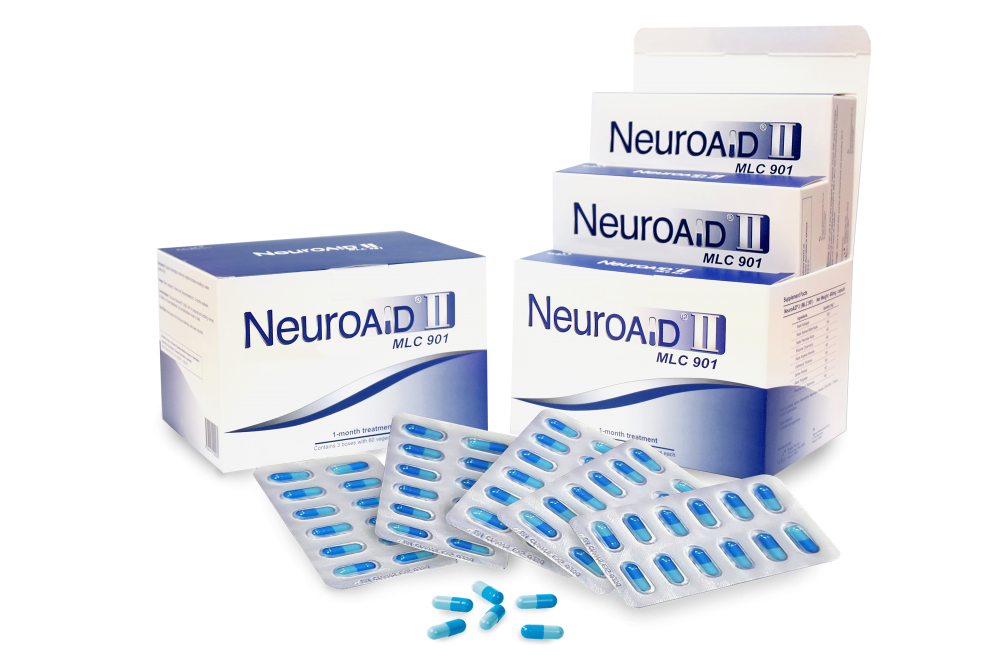
If you would like more information about NeuroAiD II, please fill out this contact form.
"*" indicates required fields


