

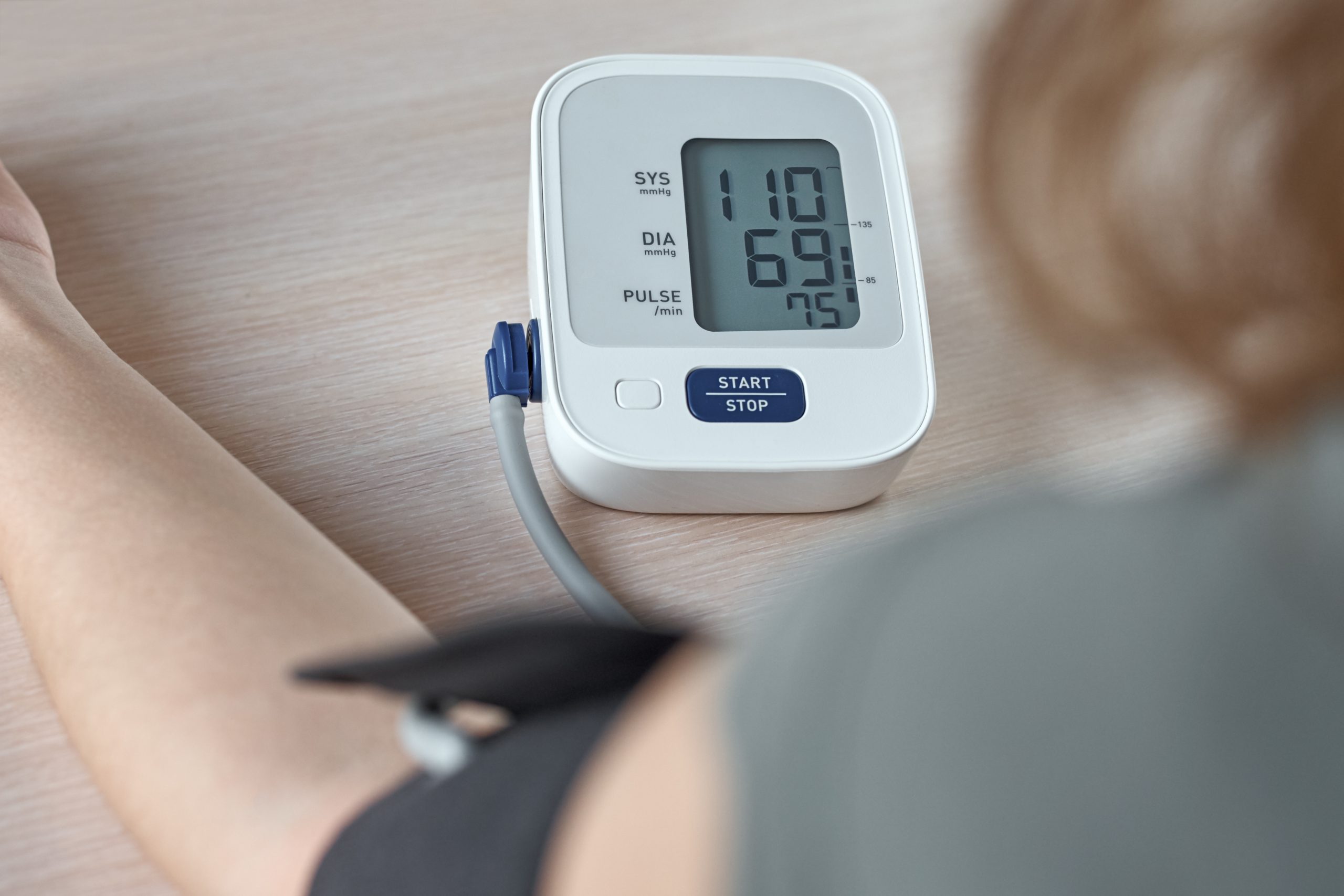

Systolic blood pressure is one of the main indicators used in medicine to assess cardiovascular system health. Each time a person attends a routine check-up, their blood pressure is measured and recorded as two values. The first, corresponding to systolic blood pressure, reflects the force exerted by blood against the arterial walls when the heart contracts, that is, during the systolic phase. The second value, known as diastolic blood pressure, indicates the pressure when the heart is at rest between beats.
Understanding what systolic blood pressure is, why it is measured, and which values are considered healthy is essential for preventing complications that affect the heart, brain, and other vital organs.
What is systolic blood pressure?
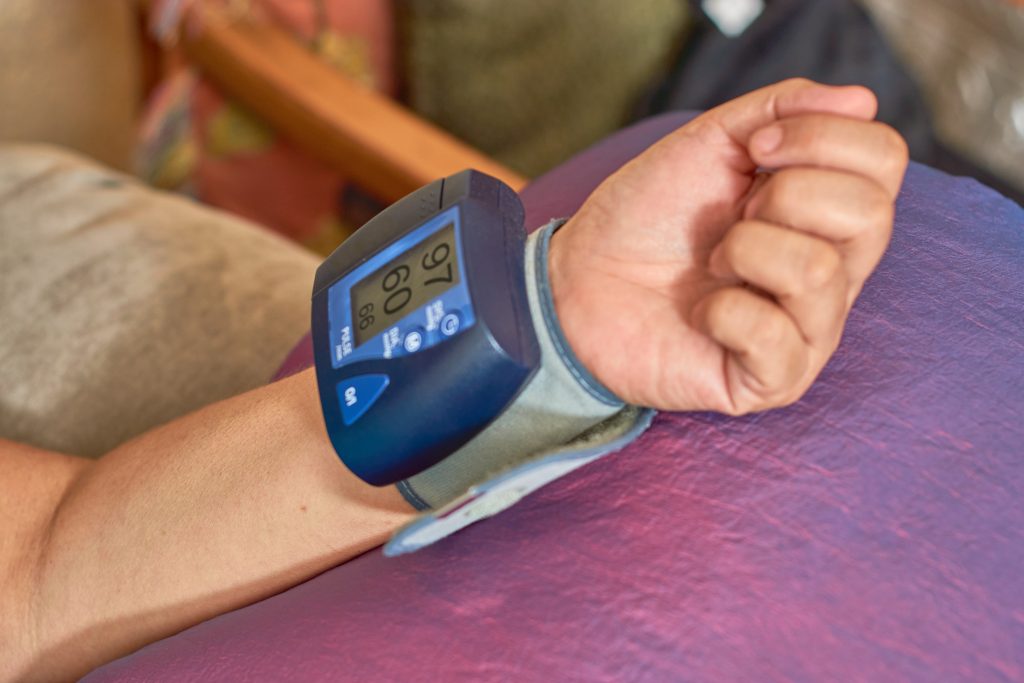
Systolic blood pressure is the higher value in a blood pressure reading. It represents the maximum pressure exerted by the blood within the arteries when the left ventricle of the heart contracts to pump oxygenated blood to the rest of the body.
In practical terms, if a person has a measurement of 120/80 mmHg, the value 120 corresponds to systolic blood pressure. This value is key because it reflects the intensity with which the heart pumps blood and how the arteries respond to that force.
Normal values of systolic blood pressure
According to international organizations such as the World Health Organization (WHO) and the American Heart Association (AHA), normal systolic blood pressure values are as follows:
-
Normal: less than 120 mmHg.
-
Elevated: between 120 and 129 mmHg.
-
Grade 1 hypertension: between 130 and 139 mmHg.
-
Grade 2 hypertension: 140 mmHg or higher.
-
Hypertensive crisis: 180 mmHg or higher (requires immediate medical attention).
These ranges allow risk identification and the implementation of preventive measures before altered systolic blood pressure causes damage to target organs such as the heart, brain, or kidneys.
Risks of elevated systolic blood pressure
When systolic blood pressure remains elevated over a prolonged period, it is referred to as hypertension. This condition is one of the most significant risk factors for cardiovascular diseases, which are the leading cause of death worldwide.
The main associated risks include:
-
Myocardial infarction: excessive pressure can damage coronary arteries and promote the formation of atherosclerotic plaques.
-
Stroke (cerebrovascular accident): elevated pressure increases the likelihood of rupture or blockage of blood vessels in the brain.
-
Heart failure: the heart is forced to work harder, which can weaken it over time.
-
Kidney damage: high pressure affects the blood vessels in the kidneys, impairing their filtering function.
-
Aneurysms: excessive pressure can weaken arterial walls, leading to dangerous dilations.
For these reasons, controlling systolic blood pressure is an essential measure in any public health strategy.
Risks of low systolic blood pressure
Although hypertension is more commonly discussed, systolic blood pressure that is too low can also be dangerous. Values below 90 mmHg are generally considered hypotension.
The main risks include:
-
Dizziness and fainting, with risk of falls.
-
Persistent fatigue and weakness.
-
Risk of shock in severe cases, where organs do not receive sufficient oxygen.
-
Cerebral hypoperfusion, which may lead to confusion or neurological disturbances.
Therefore, both elevated and reduced systolic blood pressure require medical attention.
Factors influencing systolic blood pressure

Systolic blood pressure is not a fixed value; it can fluctuate throughout the day depending on various factors:
-
Age: over time, arteries lose elasticity and blood pressure tends to increase.
-
Physical activity: exercise temporarily raises systolic pressure, but in the long term helps maintain it within healthy ranges.
-
Stress and emotions: anxiety or nervousness can elevate blood pressure.
-
Diet: excessive intake of salt, saturated fats, and alcohol increases values.
-
Body weight: obesity is a key factor in elevated systolic blood pressure.
-
Chronic diseases: diabetes, renal insufficiency, and other conditions affect blood pressure regulation.
How to correctly measure systolic blood pressure
For an accurate measurement of systolic blood pressure, certain recommendations should be followed:
-
Sit and rest for at least 5 minutes before measurement.
-
Avoid caffeine, tobacco, or intense exercise for at least 30 minutes prior.
-
Place the cuff at heart level and keep the arm relaxed.
-
Take multiple measurements at different times of the day to obtain an average.
A common mistake is interpreting a single reading as definitive, when the correct approach is to monitor values over time.
Strategies to maintain systolic blood pressure within appropriate levels
There are multiple habits that help maintain systolic blood pressure under control:
-
Balanced diet: reduce salt intake and increase consumption of fruits, vegetables, and potassium-rich foods.
-
Regular exercise: at least 150 minutes per week of moderate physical activity.
-
Weight management: maintain a healthy body mass index.
-
Avoid tobacco and moderate alcohol consumption.
-
Stress management: relaxation techniques, meditation, or yoga.
-
Regular medical check-ups: especially in individuals with a family history of hypertension.
Conclusion
Systolic blood pressure is a vital parameter for assessing the health of the heart and circulatory system. Values within normal ranges are associated with a lower risk of cardiovascular complications, whereas elevated or very low levels may represent a warning sign requiring prompt medical attention.
Adopting a healthy lifestyle, along with regular medical check-ups, is the most effective strategy to maintain systolic blood pressure at optimal levels and protect long-term well-being.
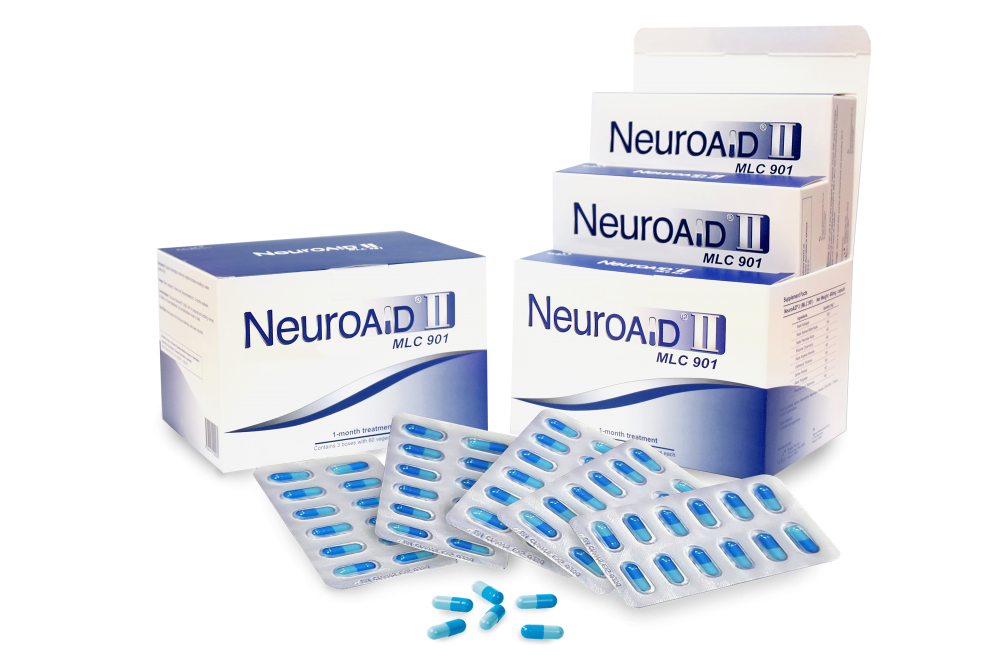
If you would like more information about NeuroAiD II, please fill out this contact form.
"*" indicates required fields


