




Foot drop after a stroke is a common complication that can make walking more difficult and increase the risk of tripping and falling. It occurs when a person has difficulty lifting the front part of the foot while walking, resulting in an altered walking pattern.
Although this condition can be limiting, various treatments and rehabilitation programs can help improve mobility and independence.
What is foot drop?
Foot drop is the inability or difficulty in lifting the front part of the foot while walking.
As a result, the toes may drag along the ground during walking, causing many individuals to lift the knee higher to avoid tripping. This walking pattern is known as a steppage gait.
Why does it occur after a stroke?

Following a stroke, certain areas of the brain responsible for controlling movement may be affected.
When this occurs, communication between the brain and the muscles responsible for lifting the foot may be disrupted, resulting in weakness, poor coordination, or increased muscle tone.
Not everyone who experiences a stroke develops foot drop, as this depends on the location and severity of the brain injury.
Most common symptoms
Foot drop after a stroke may present with:
- Difficulty lifting the front part of the foot.
- Dragging the toes while walking.
- Frequent tripping.
- Unsteady gait.
- Needing to lift the knee excessively while walking.
- A feeling of weakness in the ankle.
These symptoms can vary in severity and affect the ability to perform everyday activities.
How is it diagnosed?
The diagnosis is usually made through a physical examination in which the healthcare professional assesses muscle strength, range of motion, and walking pattern.
In some cases, additional tests may be requested to evaluate nerve function and rule out other causes that can also lead to foot drop.
Treatment
Treatment depends on each patient’s individual needs and usually combines different strategies.
The most common options include:
- Physiotherapy programs to strengthen muscles and improve walking.
- Balance and coordination exercises.
- Occupational therapy to facilitate activities of daily living.
- Use of an ankle-foot orthosis (AFO), when indicated.
- Walking aids when necessary.
The goal is to improve safety while walking and promote the greatest possible level of independence.
Can it improve with rehabilitation?
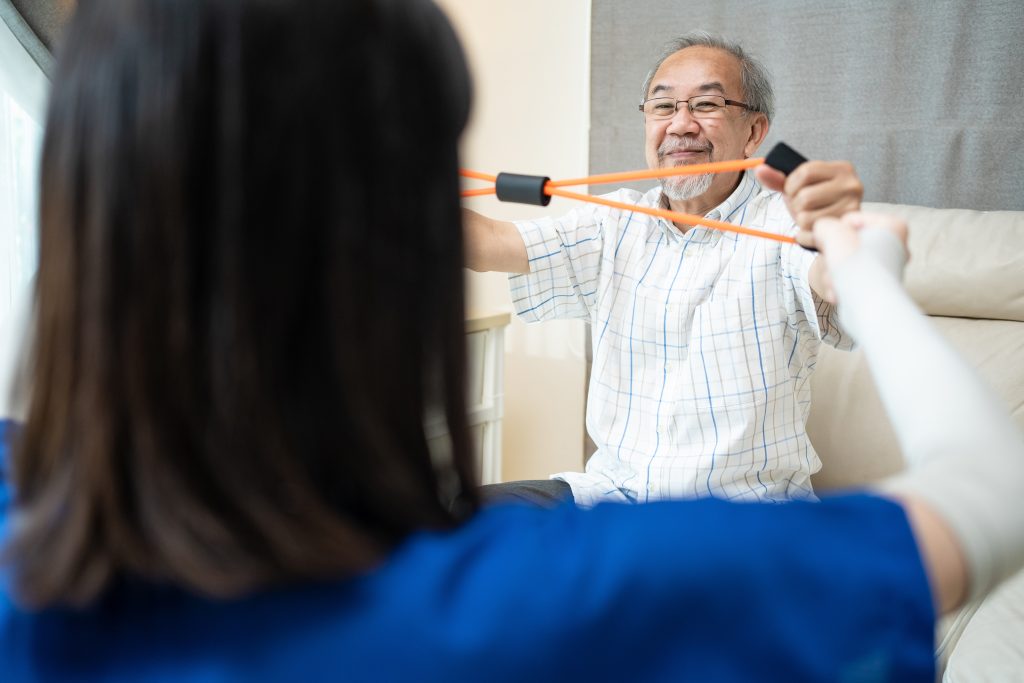
Yes. Many people experience gradual improvement through rehabilitation and ongoing training.
Recovery depends on factors such as the severity of the stroke, how soon rehabilitation was started, and the patient’s active participation.
In some cases, recovery may be nearly complete, while in others, some degree of weakness may persist and require long-term support.
Tips to reduce the risk of falls
During recovery, several measures can help improve safety:
- Wear stable, well-fitting footwear.
- Keep hallways free of obstacles.
- Avoid rugs that may cause tripping.
- Follow the exercise program recommended by the physiotherapist.
- Use the assistive devices recommended by the rehabilitation team.
These measures can help reduce the risk of falls and promote safer walking.
Conclusion
Foot drop after a stroke is a common complication that can affect mobility and quality of life. However, with early diagnosis and a tailored rehabilitation program, many people can improve their walking ability and regain greater independence.
Follow-up by a specialized healthcare team and consistent participation in rehabilitation are essential for achieving the best possible recovery.
If you would like more information about NeuroAiD II, please complete this contact form
"*" indicates required fields


