
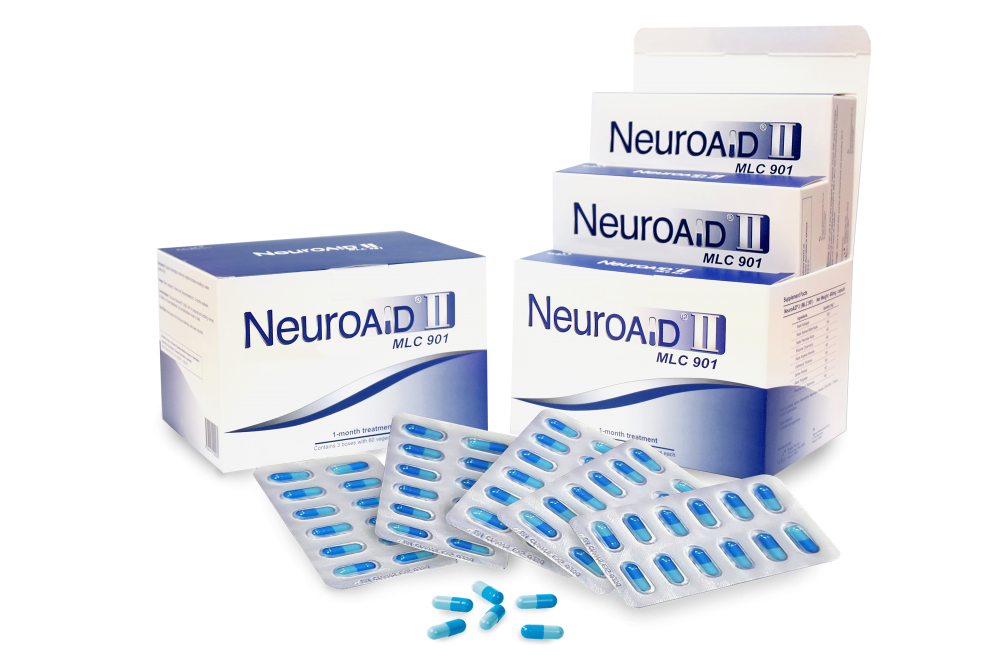



Burning sensation after a stroke is a symptom that some people experience during the recovery process following a stroke. It may be described as intense burning, heat, pins and needles, or even an electric shock-like sensation. In some cases, it is temporary, while in others it may persist for longer periods and affect quality of life.
Understanding why this type of pain occurs is the first step toward finding appropriate treatment.
Why does a burning sensation occur after a stroke?

After a stroke, certain areas of the brain responsible for processing sensory information may be damaged. When this occurs, the nervous system may misinterpret sensory stimuli, causing abnormal sensations such as burning, pain, or hypersensitivity.
This type of pain is known as central neuropathic pain and is not caused by damage to the skin or muscles, but rather by an impairment in the processing of sensory information.
How does it manifest?
Burning sensation after a stroke can manifest in different ways, including:
- A constant burning sensation.
- Pins and needles or electric shock-like sensations.
- Hypersensitivity to touch.
- Discomfort caused by contact with clothing.
- Sensations of heat or cold without an apparent cause.
Symptoms usually affect the side of the body affected by the consequences of the stroke, although their intensity can vary considerably among patients.
Is it common?
Not everyone who experiences a stroke develops this type of pain. However, neuropathic pain is a recognized complication that may develop weeks or even months after a stroke.
For this reason, some people may not associate the onset of the burning sensation with the initial stroke.
Diagnosis

Diagnosis is based on the patient’s medical history, reported symptoms, and a neurological examination.
The healthcare professional will also assess other possible causes of pain, such as muscle injuries, joint problems, or other conditions that may cause similar symptoms.
Treatment
Treatment will depend on the severity of the symptoms and the individual characteristics of each patient.
Treatment options may include:
- Medications specifically used to treat neuropathic pain.
- Rehabilitation programs.
- Physical therapy when associated motor impairment is present.
- Pain management techniques recommended by the medical team.
The goal is to reduce discomfort and improve quality of life.
Can it improve over time?
The progression varies from person to person. Some patients experience a gradual reduction in symptoms, while others may require treatment for a longer period.
Appropriate medical follow-up allows treatment to be adjusted according to each patient’s progress and individual needs.
When should you consult a healthcare professional?
It is advisable to consult the healthcare team if a persistent burning sensation develops after a stroke, especially if it interferes with sleep, daily activities, or rehabilitation.
Early assessment can help identify the underlying cause and determine the most appropriate treatment.
Conclusion
Burning sensation after a stroke can be one of the neurological effects of a stroke and is often related to changes in sensory processing. Although it can be uncomfortable, various treatment and rehabilitation options are available to help manage symptoms and improve quality of life.
If persistent pain or abnormal sensations occur after a stroke, it is advisable to consult a healthcare professional for an individualized assessment.
If you need information about NeuroAiD II, you can fill out this contact form
"*" indicates required fields


