


Glycemic control is one of the fundamental pillars in the prevention and management of complications associated with diabetes mellitus. Maintaining blood glucose levels within recommended ranges not only prevents ocular, renal, and neurological damage, but also plays a decisive role in reducing the risk of stroke.
What is glycemic control?
The term glycemic control refers to the ability to maintain blood glucose levels within an optimal range. It is achieved through a combination of healthy nutrition, physical exercise, appropriate medication, and continuous monitoring.
In patients with diabetes, glycemic control is commonly assessed using:
-
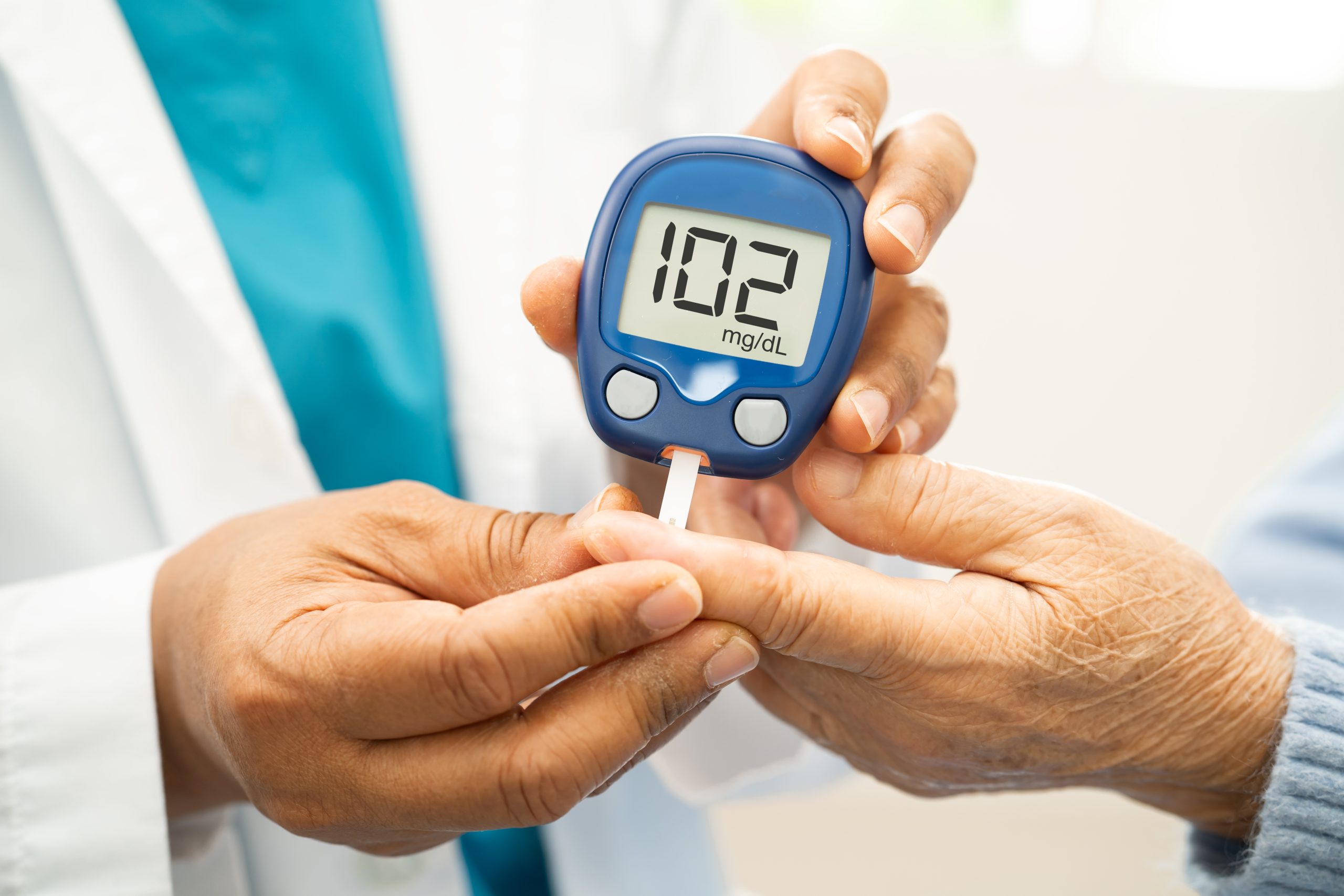
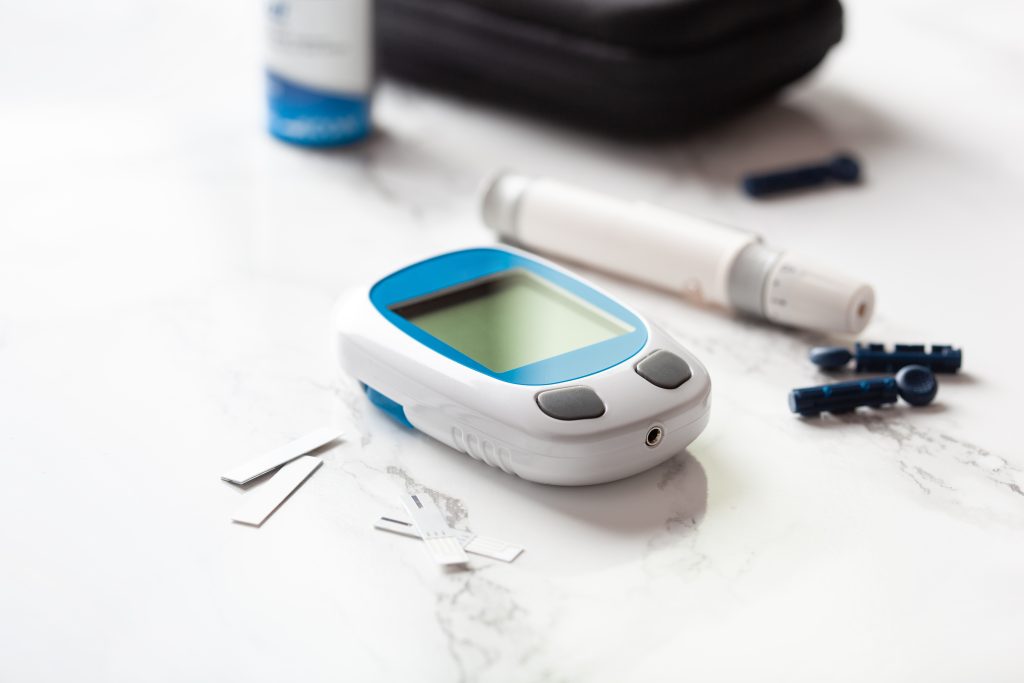
Capillary glucose: daily values obtained using a glucometer.
-
Fasting plasma glucose: laboratory analysis.
-
Glycated hemoglobin (HbA1c): reflects the average blood glucose levels over the past 2 to 3 months.
Good glycemic control involves maintaining HbA1c below 7% in most patients, although targets may vary depending on age, health status, and medical recommendations.
Glycemic control and vascular damage
Chronic hyperglycemia has harmful effects on blood vessels. When glycemic control is poor, it leads to:
-
Formation of advanced glycation end products (AGEs): damage vascular walls and promote atherosclerosis.
-
Oxidative stress: excess free radicals that impair endothelial function.
-
Chronic inflammation: activates inflammatory processes that damage vascular tissue.
-
Thickening of the arterial wall: reduces elasticity and increases the risk of obstruction.
These mechanisms explain why poor glycemic control significantly increases the risk of developing cardiovascular disease, including cerebrovascular disease.
The link between glycemic control and stroke
Stroke, or cerebrovascular accident, can be ischemic (blockage of a cerebral artery) or hemorrhagic (rupture of a blood vessel). In both cases, diabetes is a well-established risk factor, and its impact is directly dependent on the level of glycemic control.
-
Patients with diabetes and poor glycemic control have a two- to threefold higher risk of stroke compared to the general population.
-
Hyperglycemia promotes the formation of atherosclerotic plaques and thrombi, increasing the risk of ischemic stroke.
-
The fragility of blood vessels in patients with poor glycemic control raises the likelihood of cerebral hemorrhages.
-
In cases of acute stroke, the presence of hyperglycemia worsens prognosis and is associated with higher mortality and disability.
For these reasons, glycemic control is not only a goal for metabolic health, but also a key strategy in stroke prevention.
Strategies for optimal glycemic control
Achieving and maintaining adequate glycemic control requires a comprehensive approach:
Healthy nutrition
-
Follow a balanced diet based on fruits, vegetables, whole grains, lean proteins, and healthy fats.
-
Avoid simple sugars, ultra-processed foods, and excessive refined carbohydrates.
-
Adjust carbohydrate intake according to the prescribed therapeutic plan.
Regular physical activity
-
Engage in at least 150 minutes per week of moderate aerobic exercise.
-
Include strength training to improve insulin sensitivity.
-
Physical activity directly contributes to glycemic control and reduces cardiovascular risk.
Pharmacological treatment
-
Use of insulin or oral antidiabetic agents according to medical indication.
-
Adjust medication based on glucose monitoring results.
-
Maintain strict therapeutic adherence to ensure effective glycemic control.
Frequent monitoring
-
Monitor blood glucose levels at home using a glucometer.
-
Perform periodic HbA1c testing to evaluate treatment effectiveness.
-
Detect hypoglycemia or hyperglycemia early.
Education and support

-
Diabetes education programs to promote self-management.
-
Support from healthcare professionals, family members, and caregivers.
Benefits of glycemic control in stroke prevention
Effective glycemic control provides multiple benefits that directly contribute to reducing the risk of stroke:
-
Slows the progression of atherosclerosis.
-
Reduces the incidence of hypertension and dyslipidemia.
-
Decreases vascular inflammation.
-
Improves endothelial function and vascular elasticity.
-
Reduces mortality and sequelae in the event of a stroke.
Practical recommendations for patients
-
Set personalized glucose targets with the treating physician.
-
Keep a daily record of blood glucose levels and lifestyle habits.
-
Seek medical attention for any sudden neurological symptoms such as loss of strength, blurred vision, difficulty speaking, or loss of balance.
-
Do not neglect other risk factors: control blood pressure, cholesterol levels, and maintain a healthy weight.
Conclusion
Glycemic control is much more than a tool to prevent classic complications of diabetes: it is a determining factor in brain protection and in reducing the risk of stroke.
Maintaining adequate glucose levels, supported by healthy nutrition, exercise, medication, and monitoring, helps protect vascular health and reduce the likelihood of a cerebrovascular event.
For this reason, glycemic control should be considered a priority for both patients with diabetes and the healthcare professionals responsible for their treatment. An appropriate strategy can make the difference between a future with quality of life and one limited by the consequences of a stroke.
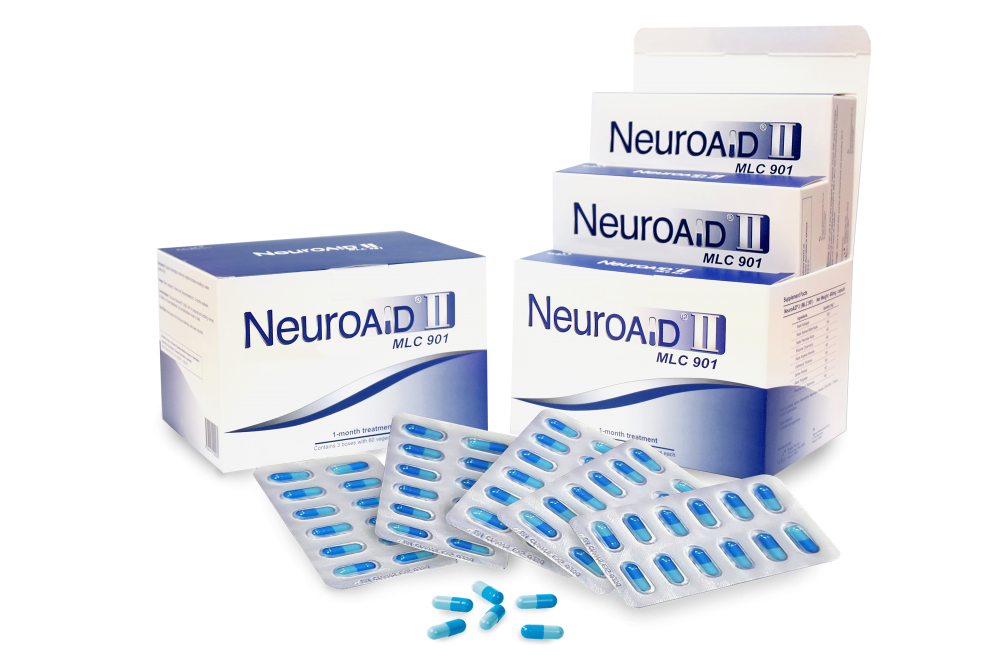
If you need information about NeuroAiD II, you can fill out this contact form.
"*" indicates required fields


