



Diabetes insipidus is a rare disorder that affects the body’s ability to regulate water balance. It is characterized by the excessive excretion of very diluted urine (polyuria) and a constant need to drink fluids (polydipsia). Unlike diabetes mellitus, which is related to elevated blood glucose levels, diabetes insipidus is linked to the antidiuretic hormone (ADH or vasopressin) and the kidneys’ response to it.
Although it is less well known than diabetes mellitus, diabetes insipidus can have a significant impact on a patient’s quality of life, and if not properly treated, it may lead to severe dehydration and serious complications.
What is diabetes insipidus?

Diabetes insipidus is a disorder in which the kidneys are unable to concentrate urine properly. As a result, the body loses large amounts of water, forcing the patient to drink constantly to compensate for this loss.
This disorder is not directly related to blood sugar, which distinguishes it from diabetes mellitus. The term insipidus refers to the fact that the urine does not contain glucose and is therefore tasteless, in contrast to diabetes mellitus, whose name derives from the presence of glucose in the urine, with mellitus meaning sweet.
Types of diabetes insipidus
There are several types of diabetes insipidus, each with different causes and mechanisms:
Central or neurogenic diabetes insipidus
-
It occurs when the body does not produce enough antidiuretic hormone (ADH).
-
It is generally caused by damage to the hypothalamus or pituitary gland, due to trauma, tumors, infections, or surgery.
Nephrogenic diabetes insipidus
-
It occurs when the kidneys do not respond properly to the action of ADH.
-
It may be due to genetic disorders, chronic kidney disease, medications such as lithium, or abnormal levels of calcium or potassium.
Gestational diabetes insipidus
-
It occurs during pregnancy because the placenta produces an enzyme that degrades ADH.
-
It usually resolves after delivery.
Primary polydipsia
-
Although it is not a classic form of diabetes insipidus, it is included in this group.
-
It occurs due to excessive water intake that suppresses ADH secretion.
Causes of diabetes insipidus
The causes of diabetes insipidus depend on the type:
-
Central: brain tumors, head trauma, pituitary surgeries, infections (meningitis, encephalitis), inflammatory diseases, or genetic disorders.
-
Nephrogenic: kidney failure, prolonged use of lithium, electrolyte imbalances (hypercalcemia, hypokalemia), hereditary mutations.
-
Gestational: placental production of the enzyme vasopressinase that degrades ADH.
-
Primary polydipsia: psychiatric disorders or habits of excessive fluid intake.
Symptoms of diabetes insipidus
The main symptoms of diabetes insipidus include:
-
Polyuria: excessive urination, ranging from 3 to 20 liters of urine per day depending on severity.
-
Polydipsia: intense thirst and a constant need to drink fluids.
-
Very clear and diluted urine.
-
Dehydration, which may present with fatigue, dizziness, dry skin, and weight loss.
-
In severe cases: electrolyte imbalances, seizures, and neurological problems.
In children, diabetes insipidus may cause irritability, excessive crying, fever, vomiting, and growth delay.
Diagnosis of diabetes insipidus
The diagnosis of diabetes insipidus requires a clinical approach and specific tests:
-
Medical history and physical examination: identify polyuria, polydipsia, and risk factors.
-
Laboratory tests: urine analysis to assess concentration, and blood tests to measure electrolytes and osmolality.
-
Water deprivation test: evaluates how the body responds to fluid restriction and whether administration of desmopressin corrects the problem.
-
Imaging tests: brain MRI to identify abnormalities in the hypothalamus or pituitary gland.
Treatment of diabetes insipidus
The treatment of diabetes insipidus depends on the type:
-
Central: desmopressin is administered, a synthetic analog of ADH, in the form of tablets, injections, or nasal spray.
-
Nephrogenic: it does not respond to desmopressin. Treatment includes a low-salt diet, increased fluid intake, use of thiazide diuretics, and correction of underlying causes.
-
Gestational: desmopressin is administered safely during pregnancy.
-
Primary polydipsia: psychological or psychiatric therapy is recommended, along with control of water intake.
In all cases, it is important to prevent dehydration and monitor blood electrolyte levels.
Complications of diabetes insipidus
If not properly treated, diabetes insipidus can cause:
-
Severe dehydration.
-
Electrolyte imbalances (hypernatremia).
-
Seizures and brain damage due to water and sodium imbalance.
-
Long-term kidney problems.
Prevention and quality of life

It is not always possible to prevent diabetes insipidus, especially in genetic or idiopathic cases. However, some measures help reduce its impact:
-
Early diagnosis in individuals with a history of trauma, tumors, or brain surgeries.
-
Monitoring of patients taking lithium or other medications that affect kidney function.
-
Constant hydration and patient education to recognize signs of dehydration.
With appropriate treatment, most people with diabetes insipidus can lead a normal life and maintain good health.
Conclusion
Diabetes insipidus is an uncommon disorder, but with significant consequences if not diagnosed and treated in time. It clearly differs from diabetes mellitus, as it is not related to blood glucose levels, but to the antidiuretic hormone and the kidneys’ ability to concentrate urine.
Early diagnosis, together with appropriate treatment based on desmopressin or dietary measures depending on the type, allows control of symptoms, prevention of complications, and improvement of patients’ quality of life.
Recognizing diabetes insipidus and acting in time is essential to ensure a favorable prognosis.
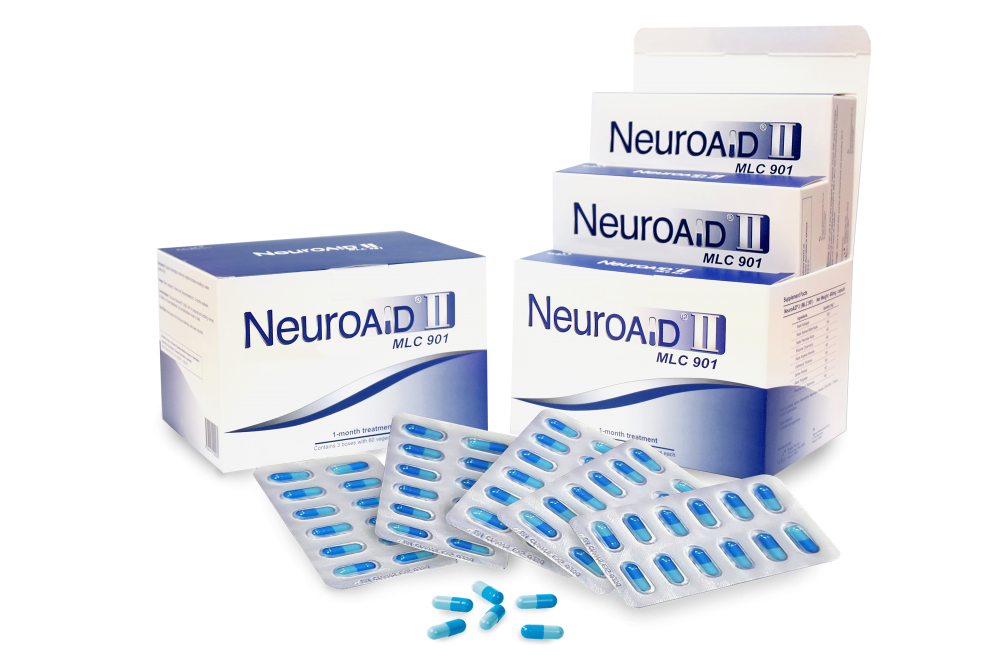
If you would like more information about NeuroAiD II, please fill out this contact form.
"*" indicates required fields


