

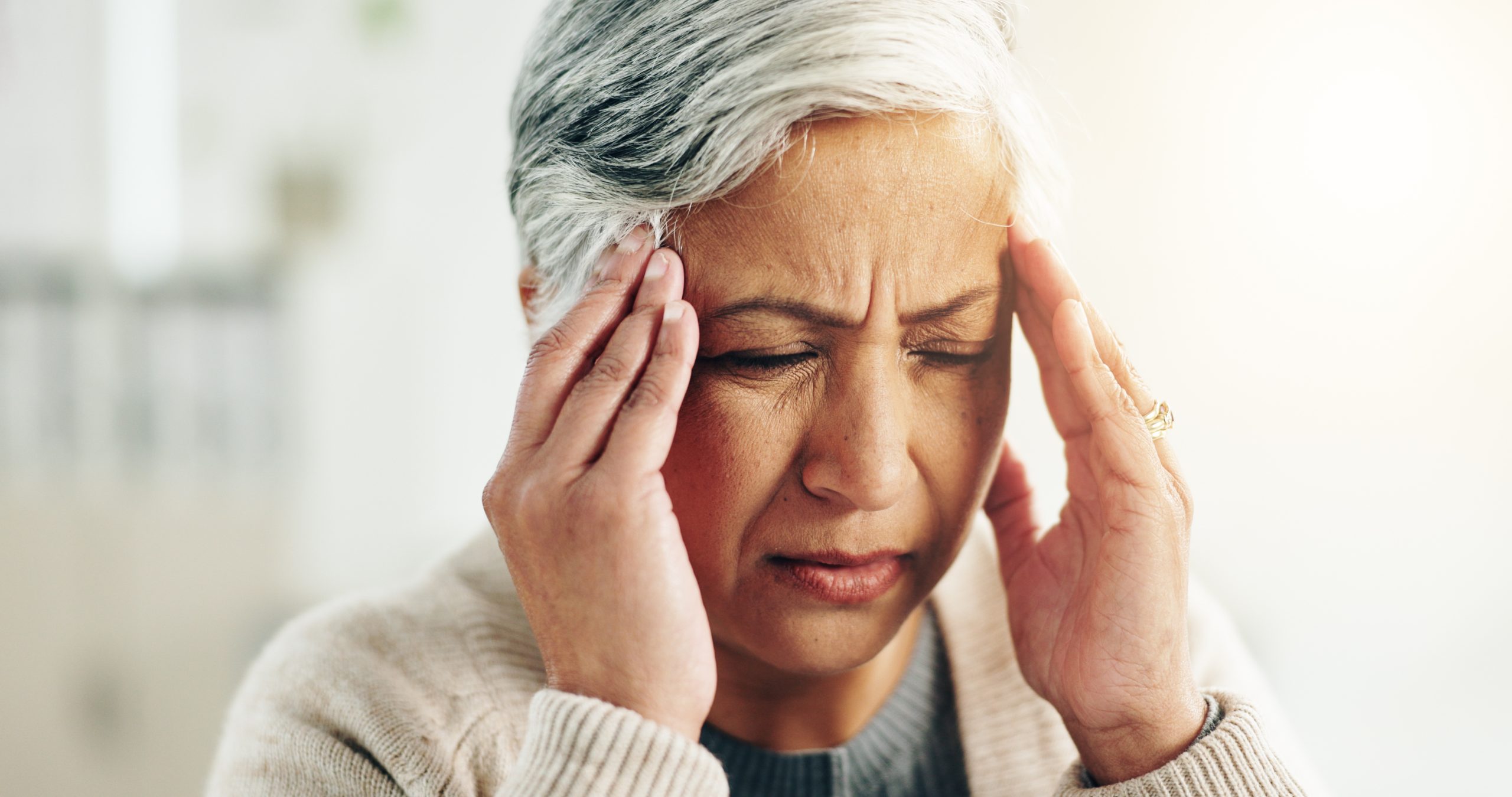

Headache is one of the most common complaints among the general population. Most of the time, it is associated with benign causes such as stress, lack of sleep, dehydration, or migraines. However, many people wonder whether a headache before a stroke could be a warning sign of a serious neurological problem.
Although not all strokes are preceded by a headache, in certain situations, headache may be among the symptoms that occur before or during a stroke. Recognizing the characteristics of this type of headache can help people seek medical attention early.
What is a stroke?
A stroke, also known as a cerebrovascular accident (CVA), occurs when blood flow to part of the brain is interrupted or when a blood vessel in the brain ruptures. As a result, brain cells no longer receive the oxygen and nutrients they need, which can lead to permanent brain damage.
There are two main types of stroke:
- Ischemic stroke: caused by a blockage in an artery supplying the brain.
- Hemorrhagic stroke: caused by the rupture of a blood vessel in the brain.
The sooner the problem is identified and treated, the greater the potential impact on the patient’s recovery.
Can a headache occur before a stroke?
Yes. In some patients, a headache may occur before a stroke, particularly in certain types of hemorrhagic stroke. However, it is important to note that not all patients experience this symptom.
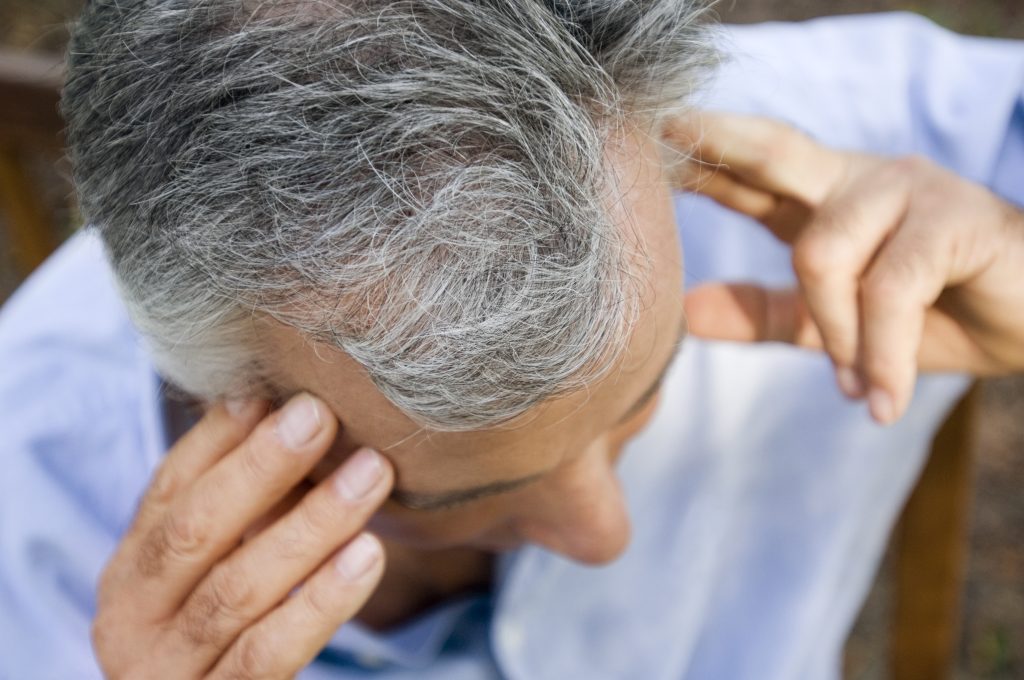
Some studies have shown that certain people experience unusual headaches hours, days, or even weeks before a stroke. This headache may differ from those they usually experience and may be particularly noticeable because of its intensity or unusual characteristics.
Characteristics of a headache before a stroke
A headache before a stroke can vary from person to person, but there are certain warning signs that deserve particular attention:
- Sudden and unexpected onset.
- Much more severe than usual headaches.
- Persistent pain that does not improve with usual treatments.
- Pain in a different location than usual.
- Occurrence alongside other neurological symptoms.
In the case of a cerebral hemorrhage or subarachnoid hemorrhage, some people describe the pain as the worst headache of their life.
Other symptoms that may accompany a headache
A headache on its own does not necessarily mean that a person is going to have a stroke. However, when it occurs alongside other symptoms, the situation requires urgent medical evaluation.
The most common symptoms include:
- Weakness or paralysis on one side of the body.
- Difficulty speaking or understanding language.
- Loss of balance or coordination.
- Sudden dizziness.
- Visual disturbances.
- Numbness of the face, arm, or leg.
- Sudden confusion.
The combination of a headache and any of these symptoms may indicate a neurological emergency.
Difference between a migraine and a possible stroke
Many people who experience migraines become concerned when they have severe headaches. However, there are important differences between a typical migraine and a possible stroke.
Las migrañas suelen seguir un patrón conocido para cada paciente y pueden repetirse durante años con características similares. En cambio, el dolor de cabeza asociado a un ACV suele ser diferente, más abrupto o acompañado de síntomas neurológicos nuevos.
Cuando un dolor de cabeza es inusual o aparece de manera repentina, siempre es recomendable consultar con un profesional de la salud.
Factores de riesgo relacionados con el ACV
Existen diversos factores que aumentan la probabilidad de sufrir un accidente cerebrovascular:
- Hipertensión arterial.
- Diabetes.
- Colesterol elevado.
- Tabaquismo.
- Obesidad.
- Sedentarismo.
- Enfermedades cardíacas.
- Antecedentes familiares de ACV.
Controlar estos factores puede ayudar significativamente a reducir el riesgo.
¿Cuándo buscar atención médica?
Se debe buscar atención médica inmediata si aparece un dolor de cabeza intenso y repentino, especialmente si se acompaña de alteraciones neurológicas como dificultad para hablar, pérdida de fuerza, problemas visuales o pérdida de equilibrio.

En neurología existe una regla fundamental: ante la sospecha de un accidente cerebrovascular, cada minuto cuenta. Una evaluación rápida puede permitir el acceso a tratamientos que reduzcan el daño cerebral y mejoren el pronóstico.
Conclusión
El dolor de cabeza previo a un ACV no aparece en todos los pacientes, pero puede ser una señal de advertencia importante en determinadas circunstancias. Lo más relevante no es únicamente la presencia del dolor, sino sus características y la aparición simultánea de otros síntomas neurológicos. Ante cualquier dolor de cabeza inusual, intenso o acompañado de signos de alarma, es fundamental buscar atención médica de inmediato para descartar un accidente cerebrovascular y recibir el tratamiento adecuado.
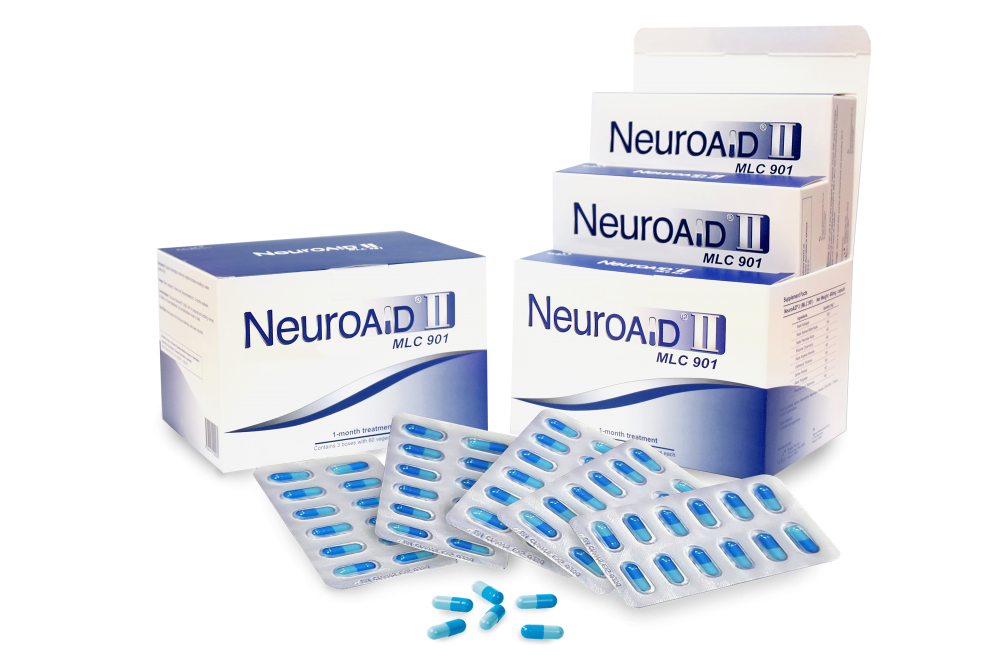
Si necesita información sobre NeuroAiD II, puede rellenar este formulario de contacto
"*" indicates required fields


