



Dizziness and stroke are often associated because some people experience a sensation of unsteadiness, vertigo, or loss of balance before or during a stroke. Although dizziness can have many benign causes, under certain circumstances it may be a warning sign that requires urgent medical attention.
Understanding the relationship between dizziness and stroke is important for recognizing the symptoms of a possible neurological problem and acting quickly. Early diagnosis can significantly improve the chances of recovery and reduce the long-term effects associated with a stroke.
What is dizziness?
The term dizziness can describe different sensations. Some people feel as though everything around them is spinning, while others experience unsteadiness when walking, a feeling of faintness, or loss of balance.

Dizziness can be associated with inner ear problems, changes in blood pressure, dehydration, anxiety, or certain neurological conditions. However, when blood flow to the brain is disrupted, dizziness and stroke may be directly related.
Why can dizziness occur during a stroke?
The brain controls balance, coordination, and spatial orientation. When part of the brain does not receive enough blood due to a blockage or hemorrhage, these functions may be affected.
The relationship between dizziness and stroke is observed particularly when structures such as the cerebellum or brainstem are affected. These regions play an important role in controlling balance and coordinating movement.
As a result, the patient may experience:
- A sudden sensation of vertigo.
- Loss of balance.
- Difficulty walking.
- Unsteadiness when standing.
- A spinning sensation.
In some cases, dizziness may be one of the first symptoms of a stroke.
Most cases of dizziness are not caused by a stroke. However, certain characteristics may help identify potentially serious situations.
Dizziness and stroke should be suspected particularly when dizziness occurs suddenly and is accompanied by other neurological symptoms such as:
- Weakness in an arm or leg.
- Numbness in part of the body.
- Difficulty speaking.
- Difficulty understanding language.
- Blurred vision or loss of vision.
- A sudden, severe headache.
- Loss of coordination.
- Difficulty walking.
When these symptoms occur alongside dizziness, it is essential to seek immediate medical attention.
Can dizziness be the only symptom?
In some rare cases, dizziness may initially occur without other obvious symptoms of a stroke. This is particularly the case when certain areas of the brain responsible for balance are affected.
Sin embargo, incluso en estas situaciones suelen existir otros signos sutiles como dificultad para coordinar movimientos, desviación al caminar o problemas para mantener la postura.
For this reason, any episode of sudden, severe dizziness, particularly in people with cardiovascular risk factors, should be evaluated by a healthcare professional.
Associated risk factors
The relationship between dizziness and stroke becomes particularly important in people with known risk factors for stroke.
These include:
- High blood pressure.
- Diabetes.
- High cholesterol.
- Smoking.
- Obesity.
- Heart disease.
- Atrial fibrillation.
- Previous history of stroke or transient ischemic attack.
In these patients, sudden dizziness warrants particularly careful evaluation.

What should you do if you experience concerning dizziness?
If a person experiences severe dizziness accompanied by neurological symptoms, they should seek urgent medical attention. Every minute matters when it comes to a stroke.
It is not recommended to wait for symptoms to resolve or attempt to drive to a healthcare facility. Early medical intervention can help limit brain damage and improve functional outcomes.
Prompt recognition of the potential association between dizziness and stroke can make a significant difference in patient outcomes.
Conclusion
Dizziness and stroke may be associated when impaired cerebral blood flow affects the brain regions responsible for balance and coordination. Although most episodes of dizziness have benign causes, the sudden onset of dizziness accompanied by other neurological symptoms should be considered a medical emergency.
Recognising the potential association between dizziness and stroke enables prompt medical intervention, facilitates early diagnosis, and improves the likelihood of recovery following a stroke.
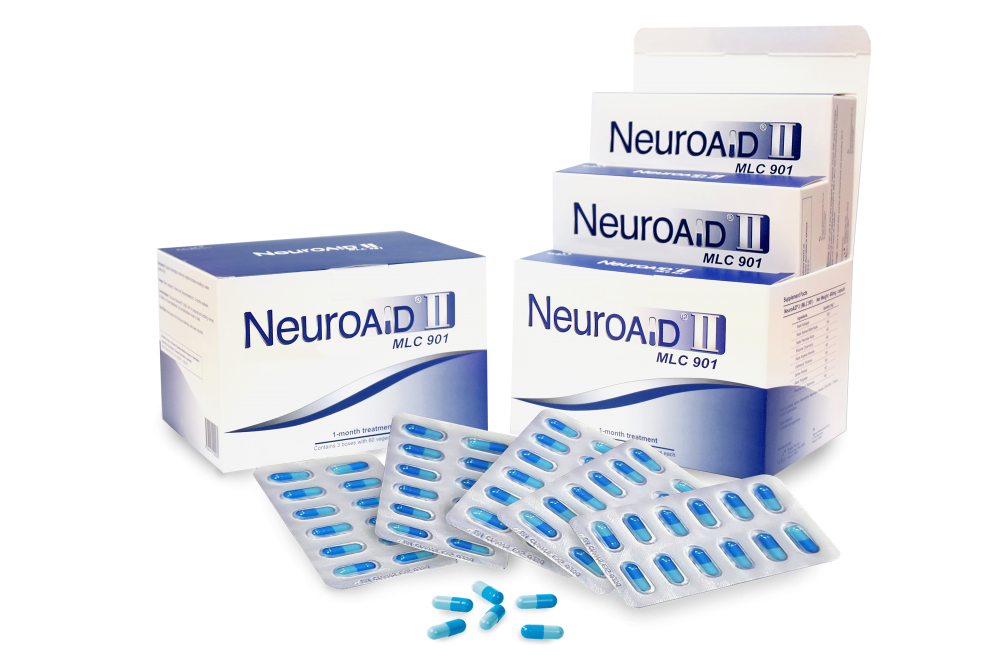
If you would like more information about NeuroAiD II, please complete this contact form.
"*" indicates required fields


