
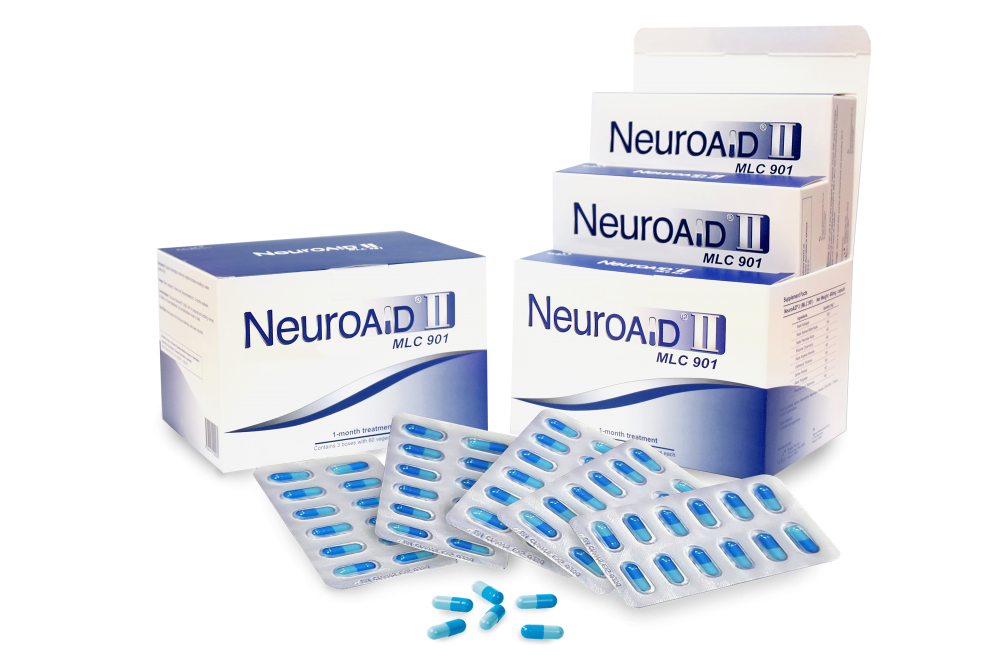



Hemiplegic shoulder pain is one of the most common complications following a stroke. It is estimated that a significant proportion of individuals with weakness or paralysis on one side of the body develop shoulder pain in the weeks or months following a stroke.
This condition not only causes discomfort but can also interfere with rehabilitation, limit mobility of the affected arm, and affect quality of life.
What is hemiplegic shoulder pain?

Hemiplegic shoulder pain is a syndrome that occurs in individuals with hemiplegia or hemiparesis, usually as a consequence of a stroke. It is characterized by pain in the shoulder on the affected side, accompanied by reduced mobility and difficulty performing activities of daily living.
Why does it occur?
The shoulder is a highly mobile joint and depends on the proper functioning of muscles, tendons, and ligaments to remain stable. Following a stroke, several factors can contribute to the development of shoulder pain.
The most common causes include:
- Weakness of the muscles that stabilize the shoulder.
- Shoulder subluxation due to loss of muscle tone.
- Spasticity that restricts normal movement.
- Rotator cuff injuries.
- Inflammation of tendons or bursae.
- Improper handling during care or rehabilitation.
- Keeping the arm unsupported for prolonged periods.
In many cases, the pain results from a combination of several of these factors.
Symptoms of hemiplegic shoulder pain
The severity of symptoms can vary from one person to another.
The most common signs include:
- Shoulder pain during movement or even at rest.
- Difficulty lifting the arm.
- Joint stiffness.
- A feeling of instability.
- Pain when dressing or during personal hygiene.
- Reduced range of motion.
- Increased pain during physiotherapy sessions if the condition is not adequately managed.
In some patients, the pain may interfere with sleep.
Risk factors
Not everyone who experiences a stroke develops this complication.
The risk increases when there is:
- Severe paralysis of the arm.
- Slow motor recovery.
- Marked spasticity.
- Sensory impairments.
- Improper handling or movement during the first few days.
- Lack of adequate arm support while sitting or standing.
How is it diagnosed?
The diagnosis is usually made through a clinical examination performed by the rehabilitation team.
The healthcare professional will assess:
- Location of the pain.
- Active and passive range of motion.
- Muscle strength.
- Presence of spasticity.
- Possible shoulder subluxation.
- Functional limitations.
When associated injuries are suspected, imaging tests such as X-rays, ultrasound, or magnetic resonance imaging (MRI) may be requested.
Treatment of hemiplegic shoulder pain
Treatment depends on the cause of the pain and should be tailored to each individual.
It generally combines several therapeutic approaches.
Physiotherapy
Physiotherapy is one of the main components of treatment.
The goals include:
- Maintaining joint mobility.
- Preventing stiffness.
- Improving muscle strength.
- Promoting better movement control.
- Reducing pain during activities.
It is important that movements are performed correctly to prevent further injury.
Occupational therapy
Occupational therapy helps restore arm function during activities of daily living.
It also teaches techniques for dressing, personal hygiene, and performing everyday tasks while minimizing pain.
Possible complications
When pain persists for a prolonged period, various complications may develop that affect upper limb function.
The most common include:
- Progressive shoulder stiffness.
- Adhesive capsulitis.
- Permanent reduction in range of motion.
- Reduced arm function.
- Greater difficulty participating in rehabilitation.
- Limitations in activities of daily living.
Prognosis

The progression of hemiplegic shoulder pain varies between individuals. Some patients experience gradual improvement during the first few months following a stroke, while others may have persistent symptoms for longer periods.
The prognosis is influenced by factors such as the severity of the stroke, the degree of motor impairment, the presence of spasticity, associated shoulder injuries, and the functional recovery of the upper limb.
Conclusion
Hemiplegic shoulder pain is one of the most common complications following a stroke and a frequent cause of functional limitation of the upper limb. Its origin is often multifactorial and may be related to muscle weakness, shoulder subluxation, spasticity, or injuries to the structures of the shoulder.
Diagnosis combines clinical examination with imaging tests when necessary, while treatment generally includes physiotherapy, occupational therapy, and other interventions aimed at controlling pain and restoring arm function.
If you would like more information about NeuroAiD II, please complete this contact form
"*" indicates required fields


