

The question how long a stroke lasts may seem simple, but it actually involves understanding a complex condition that affects millions of people worldwide. A stroke, also known as a cerebrovascular accident (CVA), can last from a few minutes to several hours, but its consequences may persist for a lifetime. Understanding its duration, phases, treatment, and recovery is essential to reduce its impact on the health of those affected.
What is a stroke?
Before answering how long a stroke lasts, it is essential to understand what it is. A stroke is a sudden interruption of blood flow to the brain. This lack of blood supply can be caused by two main mechanisms:
-
Ischemic stroke: accounts for approximately 85% of cases and occurs due to a blockage in a cerebral artery, usually caused by a blood clot.
-
Hemorrhagic stroke: more severe and less frequent, it occurs when a blood vessel in the brain ruptures, causing bleeding.
Both types of stroke require urgent and immediate medical attention, as every minute without treatment increases the risk of permanent brain damage.
Stroke duration: a race against time
To understand how long a stroke lasts, we must consider the different stages in which it occurs:
1. Duration of the acute episode
A stroke, as an acute neurological event, typically occurs suddenly. The blockage or rupture of a blood vessel can develop within seconds or minutes. Symptoms such as weakness on one side of the body, difficulty speaking, or loss of vision appear almost immediately.
However, this acute phase may last from minutes to several hours, depending on:
-
The speed at which treatment is administered.
-
The location of the brain injury.
-
The type of stroke (ischemic or hemorrhagic).
Conclusion: from a medical perspective, a stroke may last from a few minutes to several hours, although neurological damage begins within the first minutes.
2. Duration of transient symptoms: TIA
There is a milder form of stroke known as a Transient Ischemic Attack (TIA). In these cases, blood flow is temporarily interrupted but is restored on its own within less than 24 hours, typically within less than one hour.
Although symptoms resolve, a TIA is a warning sign: up to one-third of patients who experience a TIA may go on to have a full stroke in the following days or weeks if preventive treatment is not initiated.
3. Duration of hospitalization and initial treatment
Once a stroke is diagnosed, the patient is typically admitted to a specialized stroke unit. The length of hospital stay may vary between:
-
3 to 7 days for mild to moderate cases.
-
More than 10 days for severe strokes or those with complications.
During this time, diagnostic tests are performed, the patient is stabilized, and rehabilitation is planned.
4. Duration of rehabilitation
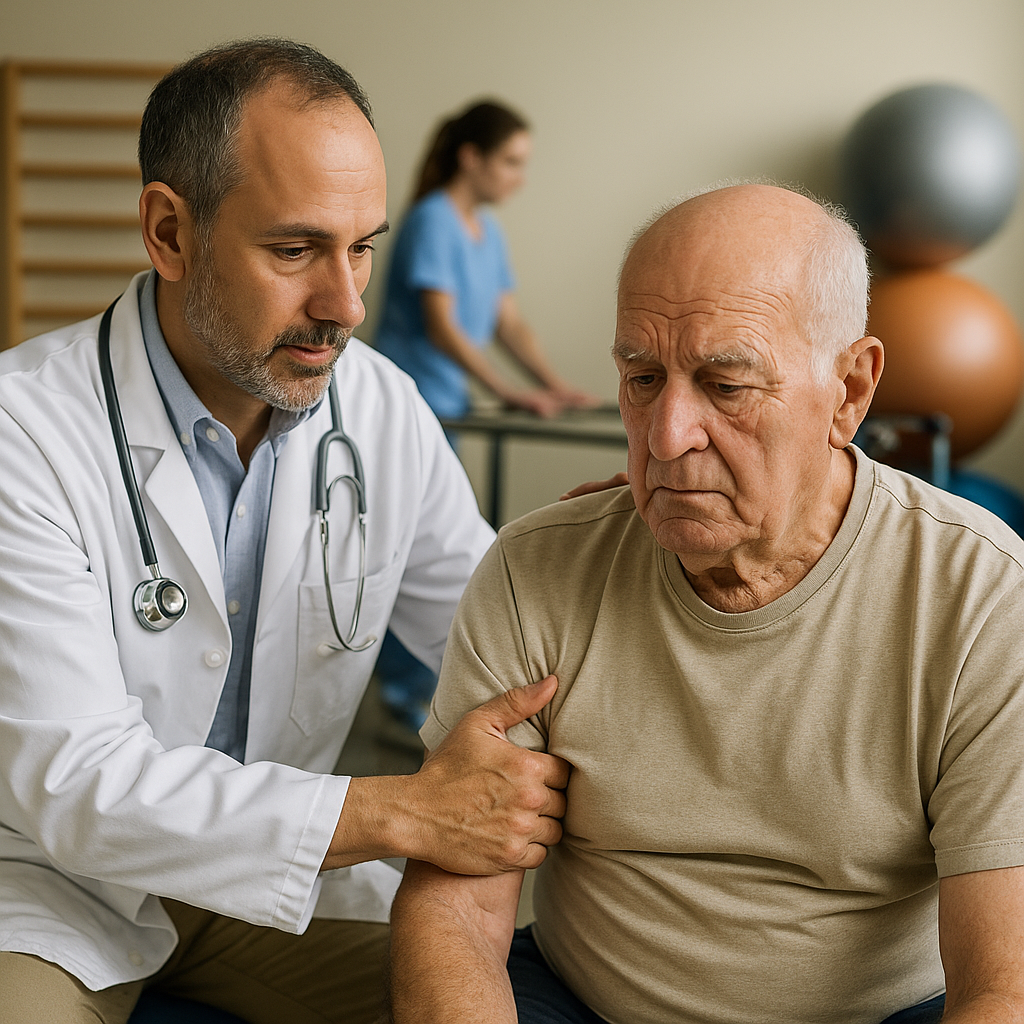
Although the acute event may have resolved, neurological consequences require a prolonged rehabilitation process. Depending on the extent of brain injury, this may last:
-
Weeks in patients with mild symptoms.
-
Months or even years in patients who have lost motor, speech, or cognitive functions.
In some cases, recovery is never complete. This is why stroke is considered a clinically brief event with long-lasting consequences.
How long does an untreated stroke last?
When a stroke is not treated in time, brain damage continues to progress. In ischemic strokes, it is estimated that approximately 1.9 million neurons are lost per minute without treatment. This is why the medical expression time is brain is used.
The ideal treatment for an ischemic stroke is the administration of thrombolytics, such as tissue plasminogen activator (tPA), which can only be given within a 4.5-hour window from symptom onset.
For hemorrhagic stroke, treatment may involve surgery, intracranial pressure control, and intensive management. The duration of the episode will depend on how quickly the bleeding is controlled and cerebral swelling is minimized.
Stroke phases: a temporal approach
In answering how long a stroke lasts, it is also useful to break it down into its temporal phases:
-
Acute phase (0 to 24 hours): the vascular event occurs. Immediate medical intervention is the priority.
-
Subacute phase (1 to 7 days): the extent of the damage is assessed, the patient is stabilized, and early rehabilitation is initiated.
-
Recovery phase (weeks to months): intensive rehabilitation aims to restore neurological function.
-
Chronic phase (months to years): patients who do not fully recover live with permanent sequelae. At this stage, intervention focuses on adaptation and quality of life.
How does duration influence prognosis?
The duration of a stroke as an acute event does not always determine its severity. What truly impacts prognosis is:
-
Time elapsed until treatment is initiated.
-
The extent of the affected brain area.
-
The patient’s pre-existing conditions.
-
The quality of medical care.
A brief stroke in a critical brain region can cause more damage than a longer-lasting stroke in a less critical area.
What symptoms indicate the onset of a stroke?

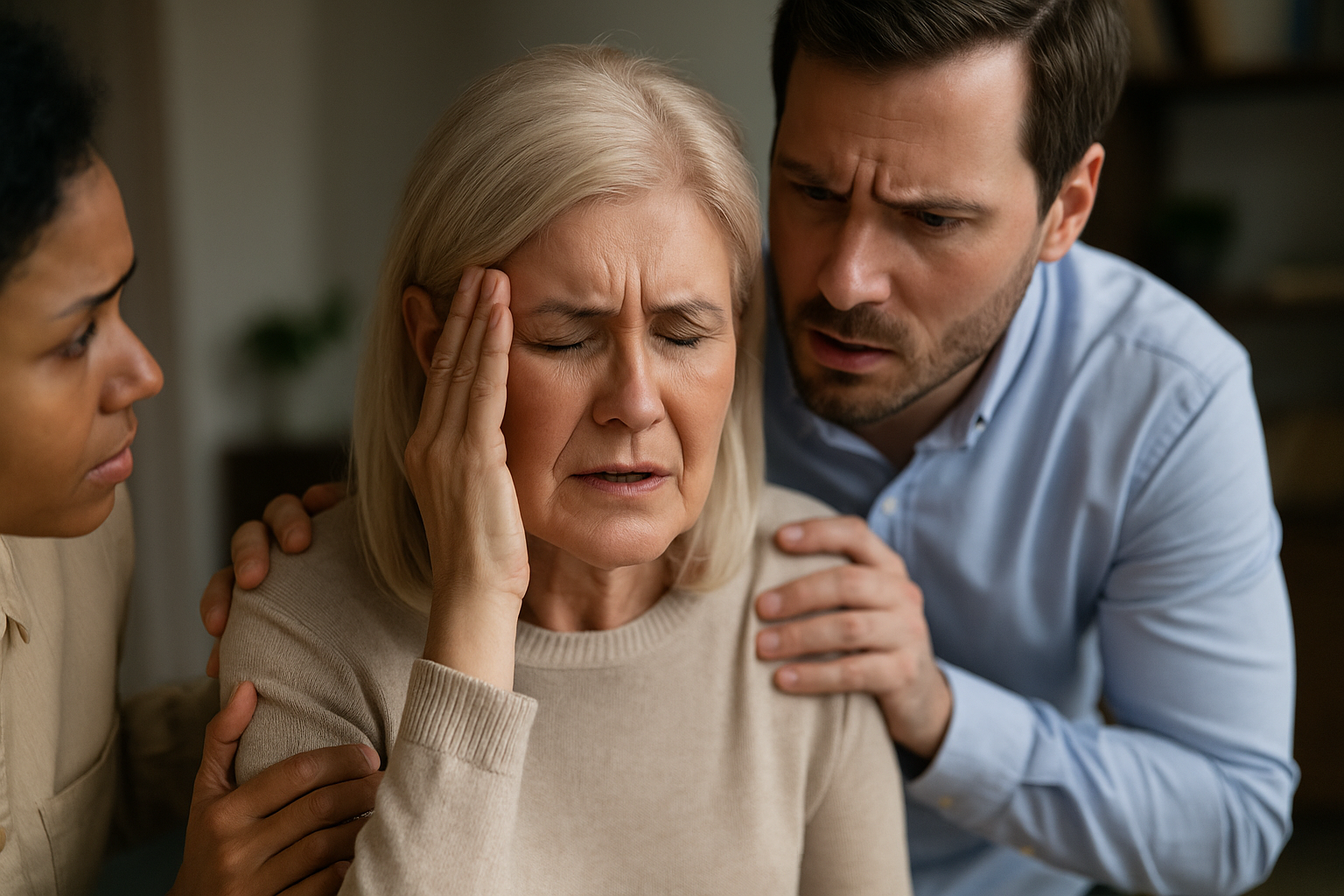
Since stroke onset is sudden, it is essential to recognize its early symptoms. The most common are:
-
Sudden paralysis or weakness in the face, arm, or leg, especially on one side of the body.
-
Confusion, difficulty speaking, or understanding.
-
Sudden vision problems.
-
Dizziness, loss of balance, or coordination.
-
Severe headache with no apparent cause.
In the presence of these signs, immediate action is required and emergency services should be contacted. Every minute counts.
How long does the impact of a stroke last in a person’s life?
Although a stroke as an event may last minutes or hours, its effects can be permanent. Common sequelae include:
-
Paralysis or muscle weakness.
-
Speech disorders (aphasia).
-
Cognitive impairments.
-
Post-stroke depression.
-
Epilepsy.
Therefore, beyond how long a stroke lasts from a medical perspective, it is crucial to understand how significantly a patient’s life changes after the event.
Conclusion
How long does a stroke last? From a few minutes to several hours when referring to the acute episode. However, its true duration is measured by its impact on a person’s life. Early medical intervention can make the difference between full recovery and a life with lasting sequelae.
Recognizing symptoms, acting quickly, and understanding the phases of stroke are essential. Only in this way can we reduce the impact of one of the leading causes of disability and death worldwide. Because if one thing is clear, in stroke, time is critical.
If you would like more information about NeuroAiD II, please fill out this contact form.
"*" indicates required fields


