


Experiencing a stroke can be a life-changing event for both the affected individual and their family. After overcoming the acute phase and beginning the recovery process, one of the main concerns is preventing another cerebrovascular event. Understanding how to prevent a second stroke is essential, as individuals who have already experienced a stroke are at an increased risk of recurrence.
Although not all strokes can be completely prevented, several preventive measures can significantly reduce the risk of experiencing another cerebrovascular event. A combination of regular medical follow-up, effective management of risk factors, and healthy lifestyle habits plays a crucial role in secondary stroke prevention.
Why does the risk increase after a first stroke?
Individuals who have experienced a stroke often have underlying risk factors that contributed to the initial cerebrovascular event and may remain present if not adequately managed.
Furthermore, certain cardiovascular conditions or vascular abnormalities may persist over time. For this reason, secondary stroke prevention, which focuses on preventing recurrent cerebrovascular events after an initial stroke, is an essential component of long-term stroke management.
Blood pressure management

Arterial hypertension is one of the most significant risk factors for stroke.
Maintaining blood pressure within the recommended target range can substantially reduce the risk of recurrent stroke. To achieve this, it is important to:
-
Adhere to the treatment prescribed by the physician.
-
Monitor blood pressure regularly.
-
Reduce dietary salt intake.
-
Maintain a healthy body weight.
-
Engage in regular physical activity.
Effective blood pressure management is considered one of the most important strategies for secondary stroke prevention.
Adherence to prescribed medication
Many individuals are prescribed specific medications following a stroke to reduce the risk of recurrence.
Depending on the patient’s clinical condition, the physician may prescribe:
-
Antiplatelet agents.
-
Anticoagulants.
-
Antihypertensive medications.
-
Lipid-lowering therapies.
-
Antidiabetic medications.
It is essential to take these medications exactly as prescribed by the treating physician and avoid discontinuing treatment without first consulting a healthcare professional.
Maintaining healthy cholesterol levels
Elevated cholesterol levels can contribute to the formation of atherosclerotic plaques within the arteries, increasing the risk of recurrent cerebrovascular events.
To manage cholesterol levels, the following measures are recommended:
-
Reduce saturated fat intake.
-
Prioritize the consumption of fruits and vegetables.
-
Include fish regularly in the diet.
-
Maintain a balanced and nutritious diet.
-
Adhere to prescribed lipid-lowering medications when clinically indicated.
A combination of dietary modifications and appropriate pharmacological treatment can help maintain vascular health and reduce cardiovascular risk.
Diabetes management
Diabetes increases the risk of vascular damage and is a significant risk factor for stroke.
Individuals with diabetes should maintain adequate blood glucose control through:
-
Regular medical monitoring and follow-up.
-
A healthy, balanced diet.
-
Regular physical activity.
-
Adherence to prescribed treatment.
Effective glycemic control and overall metabolic management can help reduce the risk of cardiovascular and cerebrovascular complications.
Smoking cessation
Smoking damages blood vessels and promotes blood clot formation, significantly increasing the risk of recurrent stroke.
Quitting smoking can provide health benefits within the first few months and is one of the most important measures for protecting cardiovascular health.
Individuals who require assistance with quitting smoking can seek support from healthcare professionals specializing in smoking cessation.
Engaging in regular physical activity
Regular physical activity can help manage several risk factors associated with stroke.
Walking, swimming, cycling, or performing exercises adapted to each individual’s physical abilities may help to:
-
Improve blood circulation.
-
Regulate blood pressure.
-
Maintain a healthy body weight.
-
Improve blood glucose control.
-
Promote overall health and well-being.
Before starting any exercise program, it is advisable to consult the treating healthcare team to ensure that the activities are safe and appropriate for the individual’s clinical condition.
Maintaining a healthy diet
Nutrition plays an important role in cardiovascular disease prevention.
A balanced diet typically includes:
-
Fruits and vegetables.
-
Legumes.
-
Whole grains.
-
Fish.
-
Olive oil.
-
Nuts in appropriate portions.
At the same time, it is recommended to limit the consumption of ultra-processed foods, saturated fats, and excessive dietary salt.
Attending regular medical follow-up appointments

Regular medical follow-up appointments allow for the early detection of potential health problems and adjustments to treatment when necessary.
Medical monitoring may include the assessment of:
-
Blood pressure.
-
Cholesterol levels.
-
Blood glucose levels.
-
Heart rhythm.
-
Overall health status.
Early detection of changes in clinical parameters can help prevent future complications.
Conclusion
Understanding how to prevent a second stroke requires a comprehensive approach focused on managing risk factors and adhering to medical recommendations. Although complete prevention cannot be guaranteed, measures such as maintaining adequate blood pressure control, adhering to prescribed treatments, adopting healthy lifestyle habits, and attending regular medical follow-up appointments can help reduce the risk of stroke recurrence and promote better long-term cerebrovascular health.
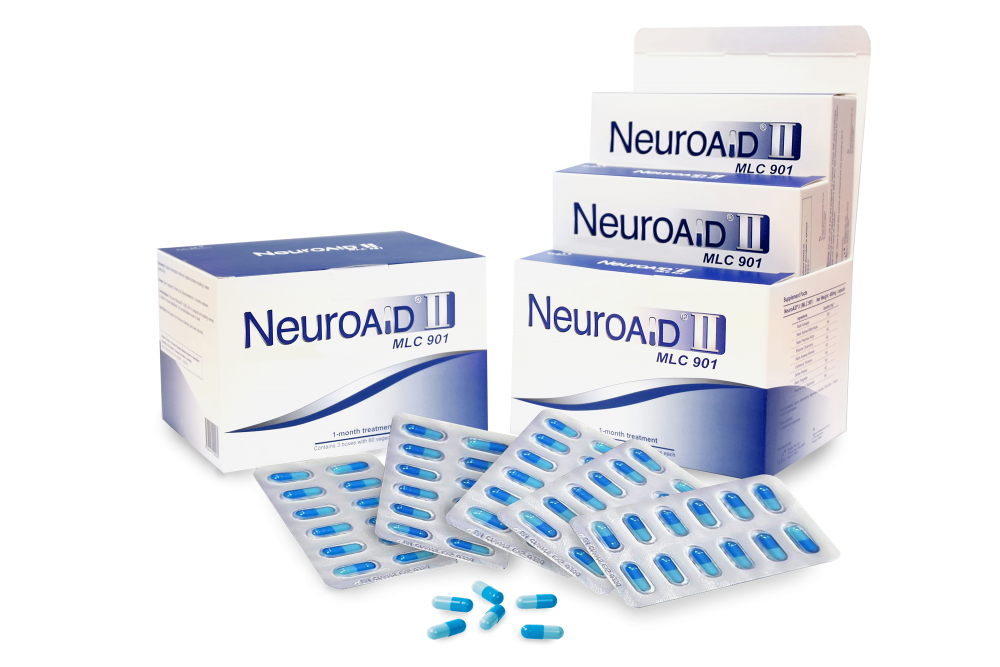
If you would like more information about NeuroAiD II, please complete this contact form.
"*" indicates required fields


