

One of the main concerns for patients and their families following a stroke is understanding what to expect in the future. Questions about whether lost functions can be recovered, how long rehabilitation will take, and what level of independence can be achieved are common during the first weeks and months. However, determining the prognosis after a stroke is not always straightforward, as recovery outcomes can vary considerably from one individual to another.
Every stroke is different. Factors such as the severity of the brain injury, the affected brain region, the time elapsed before treatment was initiated, and the patient’s pre-existing health conditions can significantly influence recovery outcomes.
What does prognosis after a stroke mean?

Prognosis refers to the expected progression of a disease or medical condition over time. In the context of stroke, it encompasses aspects such as:
-
-
The potential for physical recovery.
-
Recovery of speech and other cognitive functions.
-
The expected level of functional independence.
-
The need for ongoing support or assistance.
-
The risk of complications or recurrent cerebrovascular events.
It is important to understand that prognosis is not an exact prediction, but rather an estimate based on the available clinical information.
-
Factors influencing stroke prognosis
Stroke severity
In general, milder strokes tend to be associated with better functional recovery outcomes than those resulting in extensive brain damage. However, even individuals who have experienced severe strokes may achieve significant improvements over time.
Location of the brain lesion
The functions affected largely depend on the region of the brain that has been damaged. Certain brain areas are involved in motor control, while others play a role in language, memory, or visual processing.
Consequently, two individuals who experience strokes of similar size may develop markedly different neurological deficits and long-term functional impairments.
Age and overall health status
Age, pre-existing medical conditions, and overall physical health can influence recovery potential. Nevertheless, individual recovery outcomes remain variable and should not be assessed solely on the basis of the patient’s age.
Time to treatment
Early medical intervention can help limit brain damage and improve the likelihood of recovery. Therefore, prompt recognition of stroke symptoms and immediate access to emergency medical care are essential.
When does the greatest recovery occur?
A substantial proportion of functional recovery typically occurs during the first few months following a stroke. However, this does not mean that improvements cease after this initial period.
Many individuals continue to make progress over extended periods through rehabilitation, consistent practice, and gradual adaptation to their functional limitations.
The rate of recovery may vary across different stages of the rehabilitation process.
Recovery of motor function
Mobility is one of the functions most frequently affected following a stroke.
Some patients regain much of their ability to walk and perform activities of daily living, while others may require assistive devices or support to carry out specific tasks.
Physiotherapy and physical rehabilitation programmes often play a crucial role in restoring motor function and improving functional independence.
Recovery of language and cognitive functions
When a stroke affects brain regions involved in language processing or cognition, patients may experience difficulties with speech, language comprehension, memory, or attention.
Recovery of these functions varies considerably among individuals. Some patients regain a substantial proportion of their abilities, while others may experience persistent long-term impairments.
Specialised rehabilitation can help improve communication skills and cognitive functioning.
Importance of rehabilitation
Rehabilitation is one of the most important components in optimising prognosis following a stroke.
Depending on the patient’s individual needs, rehabilitation may include:
-
Physiotherapy.
-
Occupational therapy.
-
Speech and language therapy.
-
Neuropsychological rehabilitation.
-
Emotional and psychological support.
The primary goal is to maximise functional independence and facilitate adaptation to any residual neurological impairments.
Is it possible to accurately predict the extent of recovery?

No. Although healthcare professionals can provide prognostic estimates based on clinical experience and specific medical indicators, individual recovery trajectories remain difficult to predict accurately.
Some patients recover more rapidly than anticipated, while others require longer periods of rehabilitation. For this reason, healthcare specialists typically conduct periodic reassessments to monitor progress and adjust therapeutic goals accordingly.
The importance of maintaining realistic expectations
Maintaining a positive outlook can be beneficial during recovery, but it is equally important to recognise that the rehabilitation process often requires time and sustained effort.
Every improvement, however small it may seem, can represent a meaningful step towards greater functional independence. Comparing recovery progress with that of other patients is rarely helpful, as each stroke case has its own unique clinical characteristics.
Conclusion
Prognosis following a stroke depends on multiple factors and can vary considerably among patients. While some individuals experience significant recovery, others may develop persistent neurological impairments that require ongoing support and rehabilitation. Early medical intervention, appropriate clinical follow-up, and structured rehabilitation programmes play a crucial role in promoting functional recovery and improving long-term quality of life.
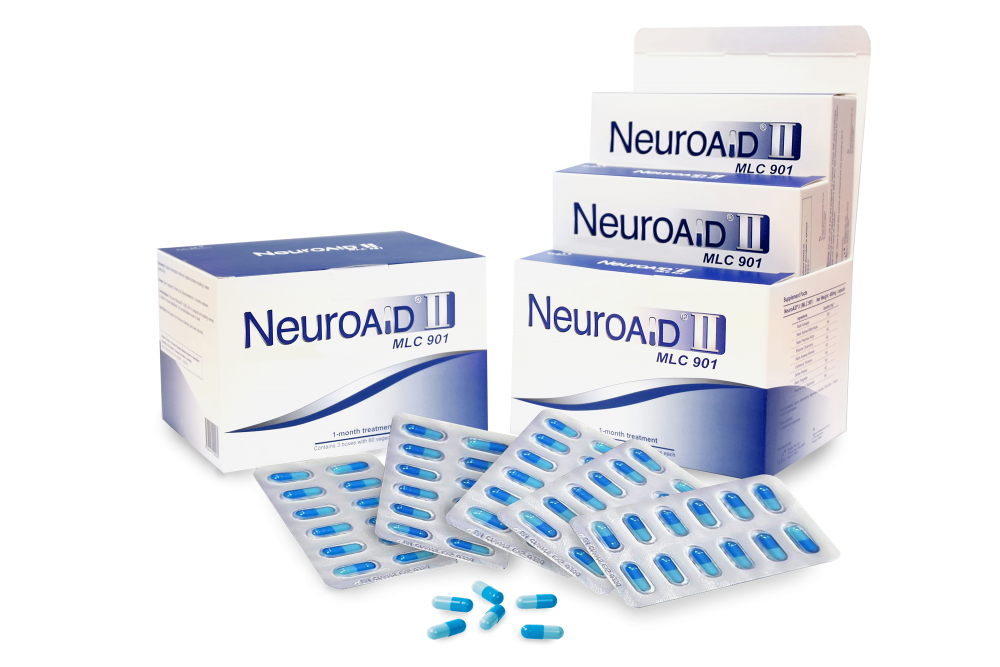
If you would like more information about NeuroAiD II, please complete this contact form.
"*" indicates required fields


