

The meaning of stroke goes far beyond a simple medical definition. It is an acute neurological event that can change a person’s life within minutes. Understanding what a stroke is, how it presents, and what measures can be taken to prevent it is essential for protecting brain health.
Stroke, also known as a cerebrovascular accident, occurs when blood flow to a part of the brain is interrupted, preventing brain cells from receiving oxygen and nutrients. Within minutes, neurons begin to die, which can lead to serious physical and cognitive consequences.
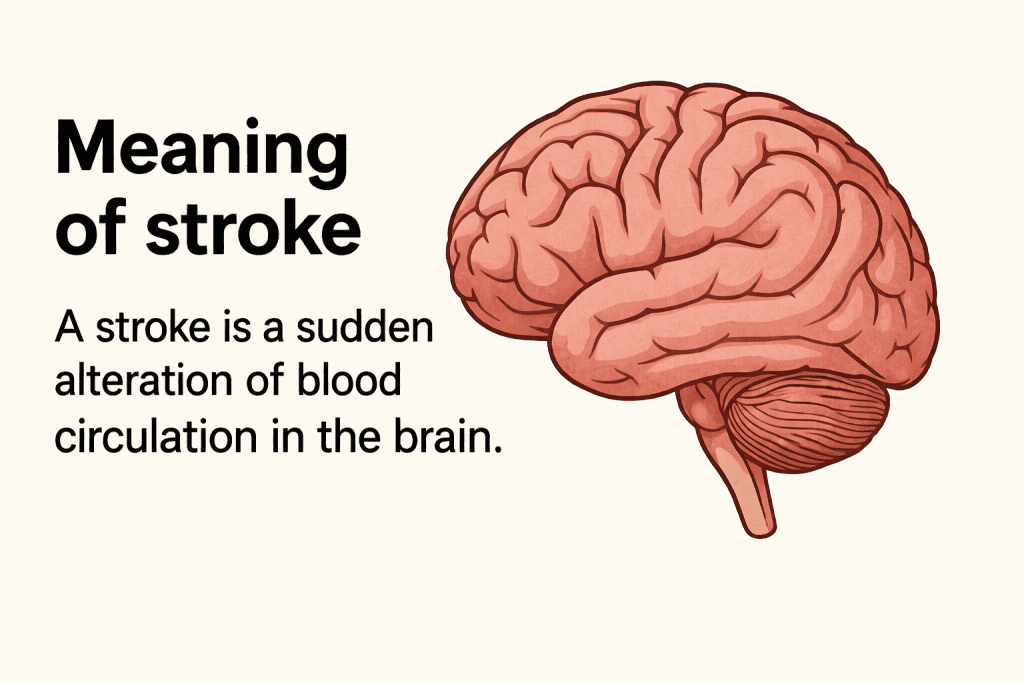
Discussing the meaning of stroke involves understanding not only its definition, but also its types, causes, symptoms, and the appropriate response to early warning signs.
Types of stroke and their impact
To fully understand the meaning of stroke, it is necessary to distinguish its two main types:
Ischemic stroke
It is the most common type, accounting for approximately 85% of cases. It occurs when a clot blocks a cerebral artery, preventing blood flow. This form is closely associated with risk factors such as hypertension, high cholesterol, and cardiovascular disease.
Hemorrhagic stroke
Less common but more severe, this type of stroke occurs when a blood vessel within the brain ruptures, causing bleeding. Its main causes include very high blood pressure, traumatic brain injury, or vascular malformations.
Both types share similar symptoms but require different treatment approaches. Understanding this distinction is essential to fully grasp the true meaning of stroke.
Causes of stroke
Stroke can be caused by a range of factors, some modifiable and others non-modifiable. The most important risk factors include:
- Hypertension
- Smoking
- High cholesterol
- Diabetes
- Obesity and physical inactivity
- Cardiac arrhythmias such as atrial fibrillation
Managing these factors not only reduces the risk of stroke, but also plays a key role in understanding the meaning of stroke and its prevention.
Symptoms of stroke
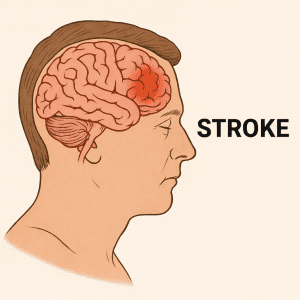
Understanding the meaning of stroke also involves recognizing its warning signs. The most common symptoms include:
- Sudden loss of strength in the face, arm, or leg, especially on one side of the body
- Difficulty speaking or understanding speech
- Blurred vision or loss of vision
- Sudden, severe headache with no apparent cause
- Dizziness, loss of balance, or impaired coordination
At the presence of any of these signs, it is crucial to seek immediate emergency medical attention. Rapid intervention can make a significant difference in the prognosis.
Diagnosis and treatment
Early diagnosis is essential. Imaging studies such as computed tomography (CT) or magnetic resonance imaging (MRI) are used to confirm the type of stroke and guide appropriate treatment.
In the case of ischemic stroke, treatment may include thrombolysis with medications that dissolve the clot. In hemorrhagic stroke, surgical intervention may be required to control the bleeding.
At this point, the meaning of stroke is clear: a medical emergency that requires immediate and targeted intervention.
Rehabilitation and recovery
After the acute phase, many patients require a rehabilitation process to recover motor, speech, or cognitive functions. This process may include physiotherapy, occupational therapy, and pharmacological treatment.
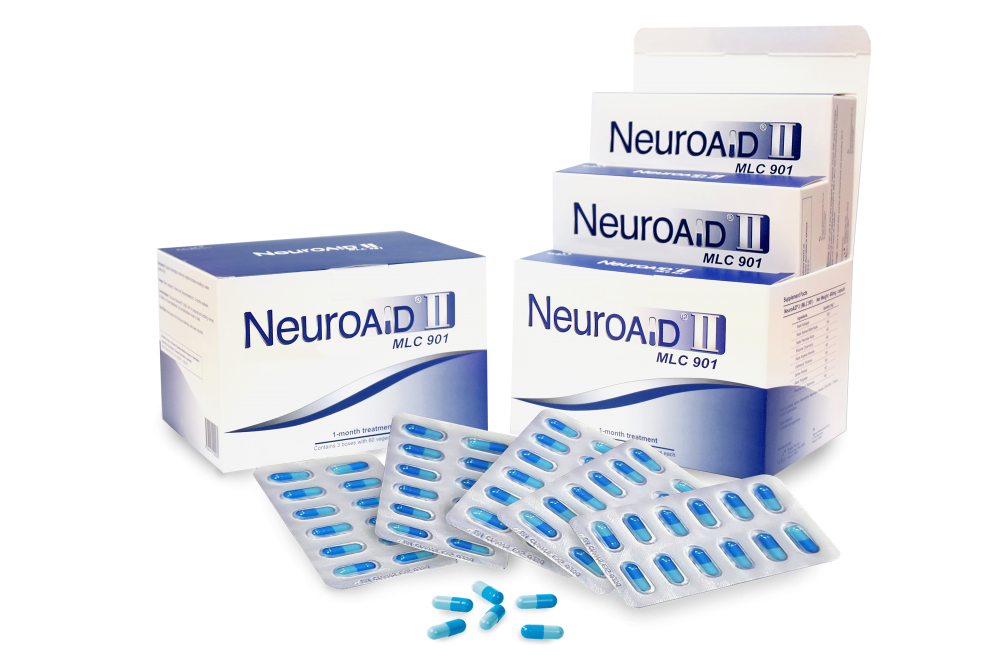
Adjunctive options such as NeuroAiD II may be used to support neuroplasticity and enhance recovery in selected cases, always under medical supervision.
Stroke prevention
An essential component of the meaning of stroke is prevention. Adopting a healthy lifestyle can significantly reduce the risk:
- Maintain blood pressure under control
- Avoid smoking
- Engage in regular physical activity
- Follow a balanced diet
- Control blood glucose and cholesterol levels
In addition, it is essential to follow medical recommendations if underlying conditions such as diabetes or hypertension are present.
Conclusion
The meaning of stroke goes beyond its definition as an interruption of cerebral blood flow. It involves a comprehensive understanding of its causes, symptoms, consequences, and, above all, its prevention.
Acting promptly, maintaining healthy habits, and receiving appropriate medical care are key to reducing its impact. Understanding the true meaning of stroke can save lives and improve the quality of life of those affected.
If you would like more information about NeuroAiD II, please fill out this contact form.
"*" indicates required fields


