

Understanding what causes a stroke is one of the key factors in preventing one of the leading causes of disability and death worldwide. A stroke, also known as a cerebrovascular accident (CVA), occurs when blood flow to a part of the brain is suddenly interrupted. This event has serious consequences, but many of its causes are modifiable. Therefore, it is essential to understand what triggers it, how to identify its warning signs, and what can be done to reduce the risk.
What is a stroke?
A stroke is a medical emergency that occurs when a part of the brain stops receiving the oxygen and nutrients it needs, either due to an obstruction in an artery (ischemic stroke) or due to cerebral bleeding (hemorrhagic stroke). In both cases, neurons begin to die within minutes, causing damage that may be irreversible.
Understanding what causes a stroke allows for action to be taken before it occurs. Prevention is not only possible, but also effective when its main triggers are recognized.
Types of stroke and their immediate causes
To understand what causes a stroke, it is first necessary to distinguish between the two main types:
1. Ischemic stroke
It accounts for approximately 85% of cases. It occurs when a clot blocks a cerebral artery. The most common causes include:
-
Thrombosis: formation of a clot in a cerebral artery previously narrowed by cholesterol plaques.
-
Embolism: a clot or particle forms in another part of the body (for example, in the heart) and travels to the brain.
-
Stenosis: narrowing of the arteries due to atherosclerosis.
2. Hemorrhagic stroke
It is less common but more severe. It occurs when a blood vessel in the brain ruptures. The causes include:
-
Poorly controlled arterial hypertension.
-
Cerebral aneurysms.
-
Arteriovenous malformations.
-
Traumatismos craneales.
-
Excessive use of anticoagulants or use without medical supervision.
What causes a stroke? Risk factors
When discussing what causes a stroke, we are not only referring to the immediate cause, such as a clot or a hemorrhage, but also to the risk factors that increase the likelihood of it occurring. These factors can be classified as modifiable and non-modifiable.
Non-modifiable risk factors
These are factors that cannot be changed but must be considered to maintain active monitoring:
-
Age: the risk increases significantly from the age of 55 onwards.
-
Sex: men have a higher risk in middle age, while women surpass them at older ages.
-
Family history: having relatives who have suffered a stroke increases the risk.
-
Personal history: having experienced a TIA (transient ischemic attack) or a previous stroke is a high-risk factor.
Modifiable risk factors
These are the most important from a preventive perspective. They include:
-
Hypertension: it is the most common cause of stroke, especially hemorrhagic stroke. Controlling it significantly reduces the risk.
-
Diabetes mellitus: excess glucose damages blood vessels.
-
High cholesterol: promotes atherosclerosis, which narrows the cerebral arteries.
-
Smoking: tobacco use damages the vessel walls and increases blood clotting.
-
Obesity and physical inactivity: increase overall cardiovascular risk.
-
Excessive alcohol consumption: especially when chronic or in episodes of heavy drinking.
-
Atrial fibrillation and other arrhythmias: promote the formation of clots in the heart that can travel to the brain.
Diseases and conditions that can also cause stroke
In addition to classic risk factors, there are conditions that can directly cause a stroke. These include:
-
Structural heart diseases: such as valvular heart disease.
-
Autoimmune diseases: such as lupus, which affect blood vessels.
-
Coagulation disorders: which increase the tendency to form blood clots.
-
Migraine with aura: in rare cases, it may increase the risk.
-
COVID-19: it has been identified as a prothrombotic factor in certain patients.
Warning signs: the body also provides alerts
Understanding what causes a stroke is essential, but it is also important to recognize when one may be occurring. The body often provides warning signs. Some typical symptoms include:
-
Sudden loss of strength in the face, arm, or leg, especially on one side of the body.
-
Difficulty speaking or understanding.
-
Blurred vision or loss of vision in one or both eyes.
-
Loss of balance or coordination.
-
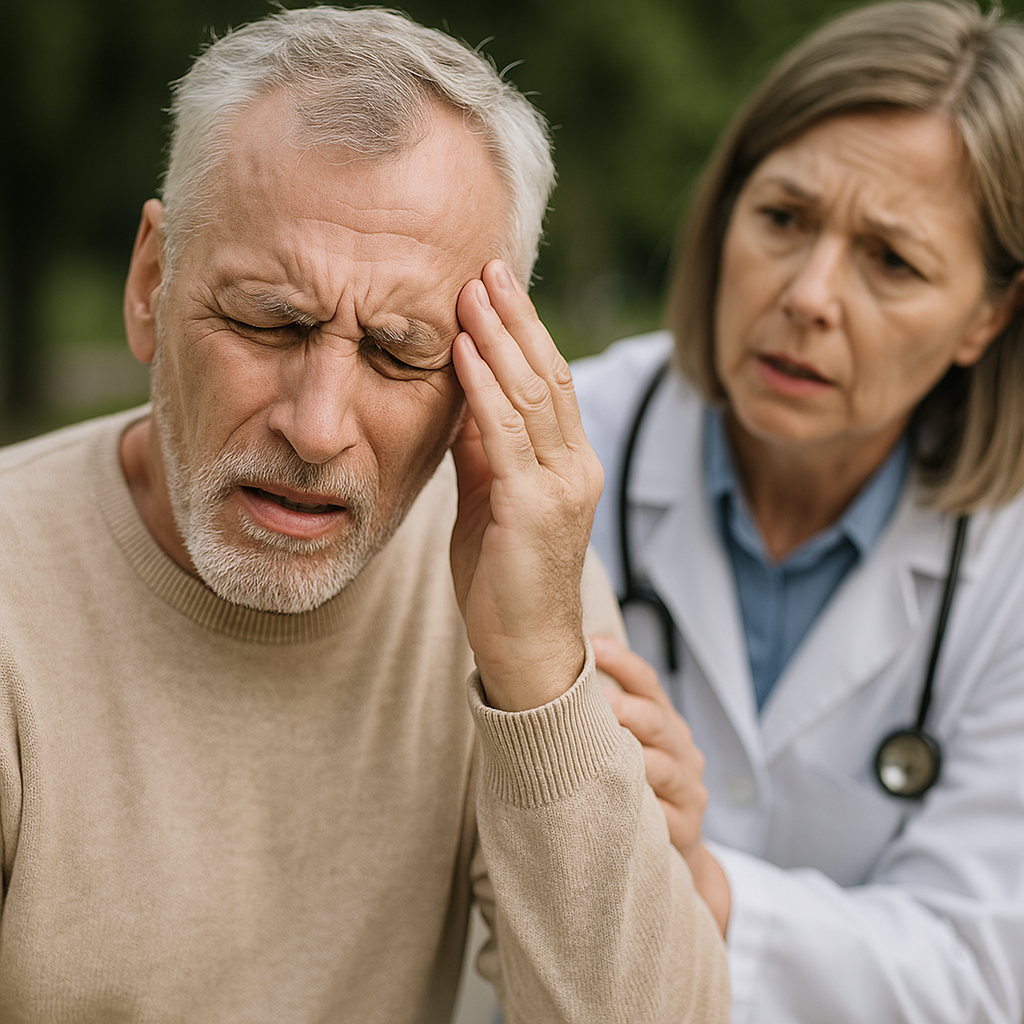
Sudden and severe headache.
In the presence of any of these symptoms, urgent action is required, even if they resolve quickly. In many cases, this may be a transient ischemic attack (TIA), which is a strong predictor of a stroke in the following days.
What can be done to prevent a stroke?

Understanding what causes a stroke, the good news is that many of its causes can be prevented through healthy habits and proper medical follow-up. Key measures include:
-
Regularly monitor and control blood pressure.
-
Follow a diet low in salt, saturated fats, and sugars.
-
Engage in physical activity for at least 30 minutes per day.
-
Quit smoking completely.
-
Limit alcohol consumption.
-
Manage chronic conditions such as diabetes and cholesterol.
-
Undergo cardiac evaluations if there is a history of arrhythmias or palpitations.
-
Take anticoagulant medication if prescribed by a physician, especially in cases of atrial fibrillation.
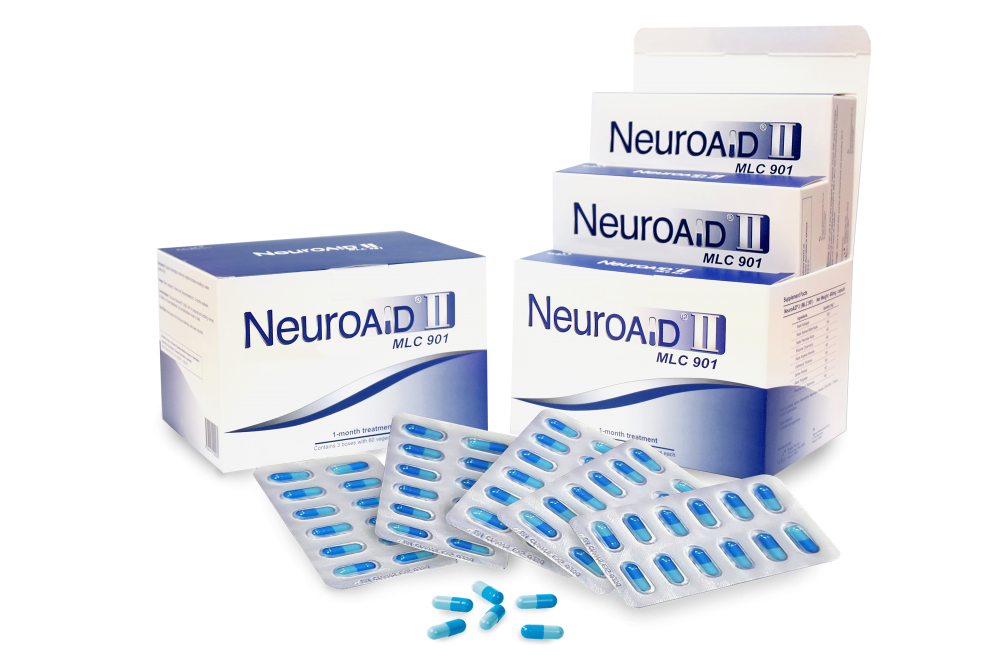
In addition, some patients undergoing rehabilitation or at high risk may benefit from supportive treatments such as NeuroAiD II, a supplement that promotes neurological recovery and brain plasticity.
Conclusion
Understanding what causes a stroke is the first step in preventing it. Although there are uncontrollable factors such as age or genetic background, most of the triggers are related to lifestyle and chronic conditions that can be managed.
Prevention, early diagnosis, and immediate medical attention are fundamental pillars to reduce the incidence of stroke and minimize its consequences. In the fight against stroke, information saves lives. And now that you understand what causes a stroke, you can start protecting your brain today.
If you would like more information about NeuroAiD II, please fill out this contact form.
"*" indicates required fields


