
The middle cerebral artery (MCA) is the blood vessel most frequently affected by stroke. Its importance lies in the fact that it supplies large areas of the brain responsible for movement, sensation, language, and various cognitive functions. When blood flow through this artery is interrupted, significant neurological deficits may occur, requiring immediate medical attention.
Understanding the function of the middle cerebral artery and recognizing the symptoms of a possible injury can help identify a stroke at an early stage and facilitate timely treatment.
What is the middle cerebral artery?
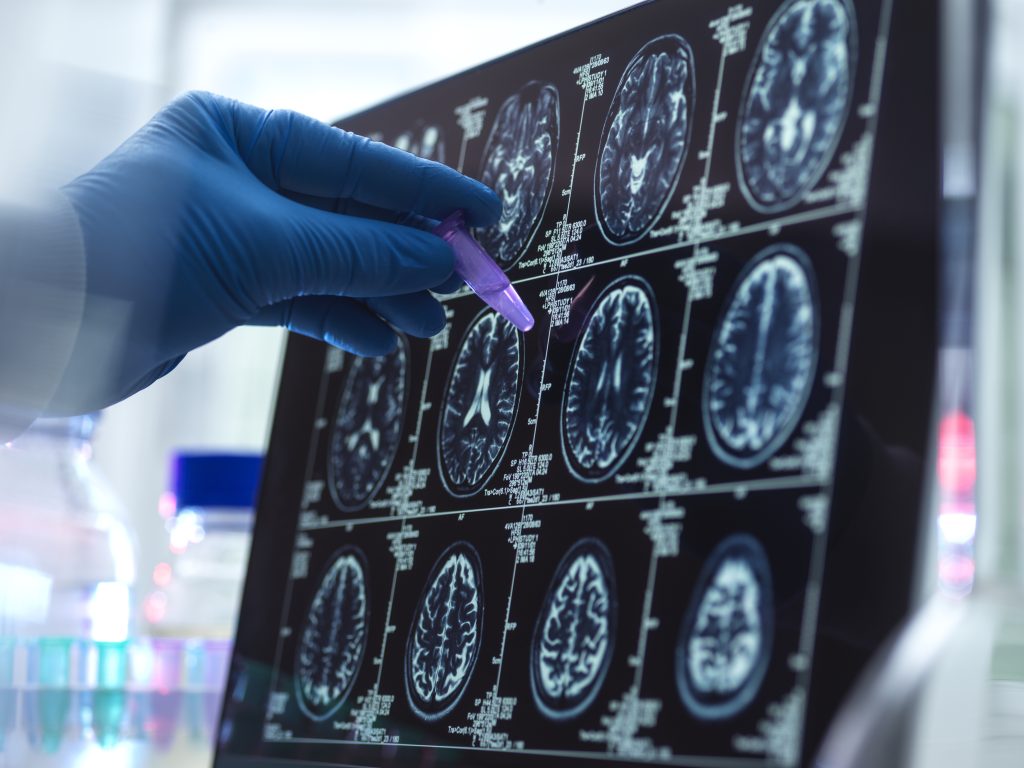
The middle cerebral artery is one of the main branches of the internal carotid artery. After entering the cranial cavity, it divides into multiple branches that supply oxygenated blood to a large portion of the lateral surface of the cerebral hemispheres.
It is the largest cerebral artery and the one most frequently occluded by a thrombus or embolus, which explains why many strokes involve its vascular territory.
What areas of the brain does it supply?
The middle cerebral artery supplies blood to several key regions of the brain, including:
- Primary motor cortex.
- Somatosensory cortex.
- Language areas (in the dominant hemisphere).
- Lateral frontal cortex.
- Parietal cortex.
- Part of the temporal lobe.
- Insula.
- Internal capsule via its deep branches.
Because of this extensive distribution, injury to the middle cerebral artery can produce a wide range of symptoms depending on the area affected.
What happens when it becomes blocked?
When the middle cerebral artery becomes blocked, neurons are deprived of oxygen and nutrients. Brain damage begins within minutes, and its extent will depend on:
- The duration of the occlusion.
- The size of the affected vessel.
- The presence of collateral circulation.
- How quickly blood flow is restored.
If blood flow is not restored promptly, part of the brain tissue may sustain irreversible damage.
Symptoms of a middle cerebral artery stroke
The symptoms occur suddenly and may vary depending on the hemisphere affected.
The most common include:
- Weakness or paralysis of the face.
- Arm weakness.
- Leg weakness, generally less severe than arm weakness.
- Loss of sensation on one side of the body.
- Difficulty speaking or understanding language.
- Visual disturbances.
- Gaze deviation.
- Difficulty coordinating movements.
- Sudden confusion.
The presence of these symptoms constitutes a medical emergency requiring immediate emergency medical attention.
Differences between left and right hemisphere involvement
The location of the stroke determines the clinical manifestations.
Left hemisphere
In most people, the left hemisphere controls language. When the left middle cerebral artery is affected, the following may occur:
- Aphasia.
- Difficulty finding words.
- Difficulty understanding conversations.
- Impairments in reading and writing.
- Weakness on the right side of the body.
Right hemisphere
When the damage occurs in the right hemisphere, the following are more common:
- Weakness on the left side of the body.
- Spatial neglect (the patient ignores the left side).
- Difficulty recognizing objects or people.
- Impaired spatial perception.
- Attention deficits.
How is it diagnosed?
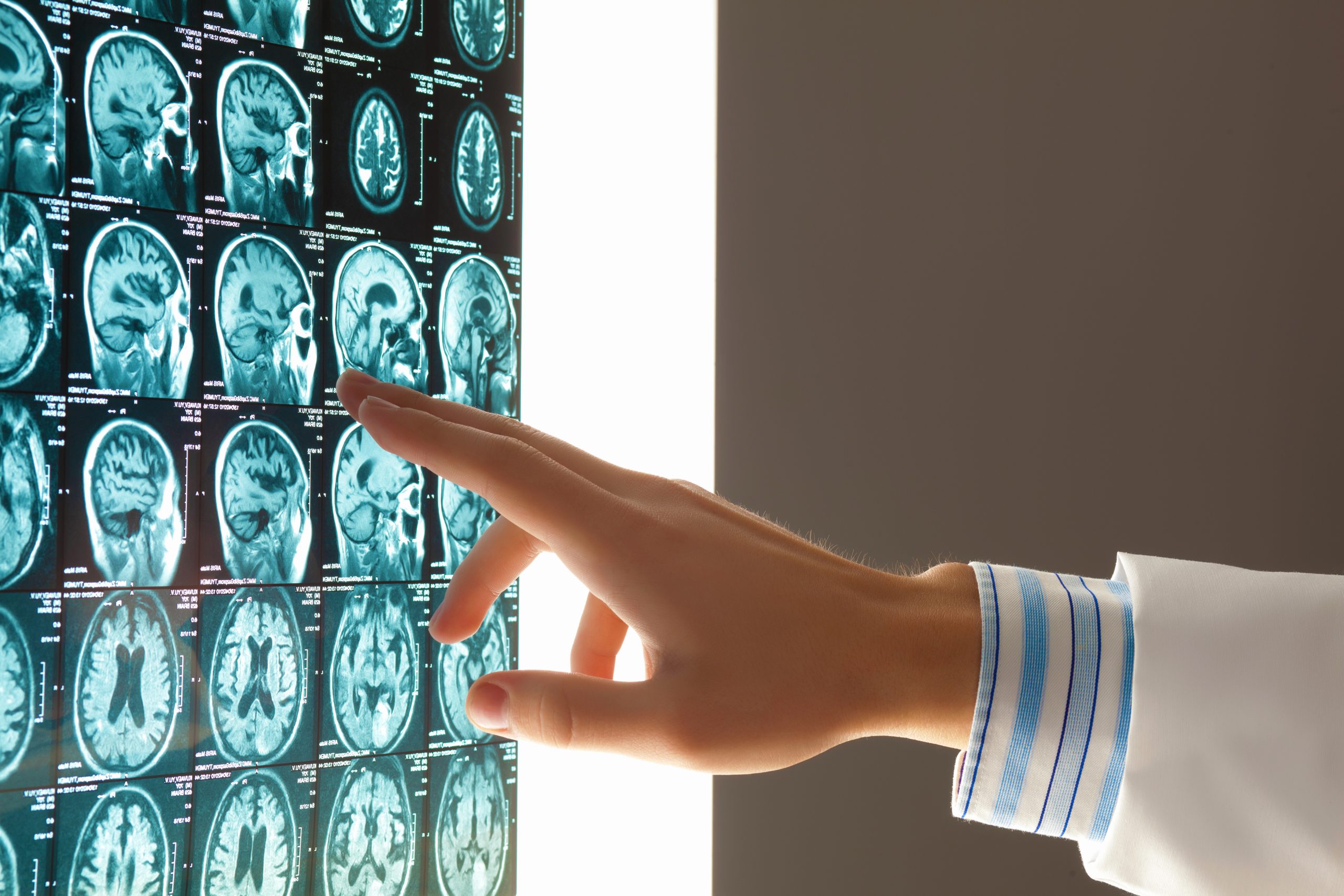
The diagnosis combines neurological examination with imaging studies.
The main diagnostic tests include:
- Computed tomography (CT).
- Magnetic resonance imaging (MRI).
- CT angiography (CTA).
- Magnetic resonance angiography (MRA).
- Doppler ultrasound of the cervical vessels.
- Cardiac studies to investigate the source of a possible embolus.
These tests help identify the location of the occlusion and determine the most appropriate treatment strategy.
Possible sequelae
The consequences of middle cerebral artery injury can vary considerably.
Some people experience an almost complete recovery, while others may develop sequelae such as:
- Hemiparesis.
- Spasticity.
- Balance disorders.
- Language impairments.
- Memory and attention problems.
- Difficulty performing activities of daily living.
- Persistent fatigue.
The severity depends primarily on the size of the cerebral infarction and how quickly treatment was initiated.
Rehabilitation
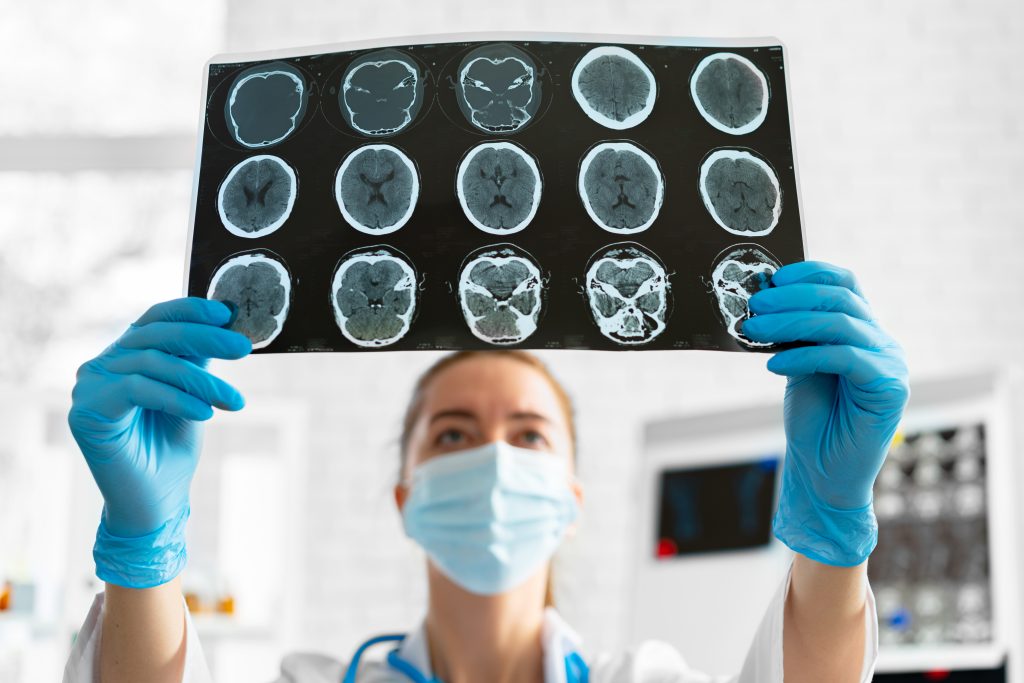
Recovery usually requires a multidisciplinary rehabilitation program tailored to the patient’s individual needs.
It may include:
- Physiotherapy to restore strength and mobility.
- Occupational therapy to improve independence.
- Speech and language therapy when language or swallowing impairments are present.
- Neuropsychological rehabilitation to address cognitive functions.
- Psychological support for both the patient and their family.
Neuroplasticity allows other areas of the brain to partially compensate for some lost functions, particularly when rehabilitation is initiated early.
Prevention
Reducing risk factors is the most effective strategy for preventing a middle cerebral artery stroke.
The main preventive measures include:
- Controlling high blood pressure.
- Maintaining good diabetes control.
- Managing high cholesterol.
- Avoiding smoking.
- Limiting alcohol consumption.
- Engaging in regular physical activity.
- Following a healthy diet.
- Properly managing conditions such as atrial fibrillation.
Conclusion
The middle cerebral artery plays an essential role in brain function and is the artery most frequently affected by stroke. Because it supplies areas involved in movement, sensation, and language, an occlusion can cause severe symptoms and significant sequelae.
Rapid recognition of warning signs and urgent medical attention increase the chances of limiting brain damage and improving prognosis. Subsequently, individualized rehabilitation is a key component in helping the patient regain the greatest possible level of independence and improve quality of life.
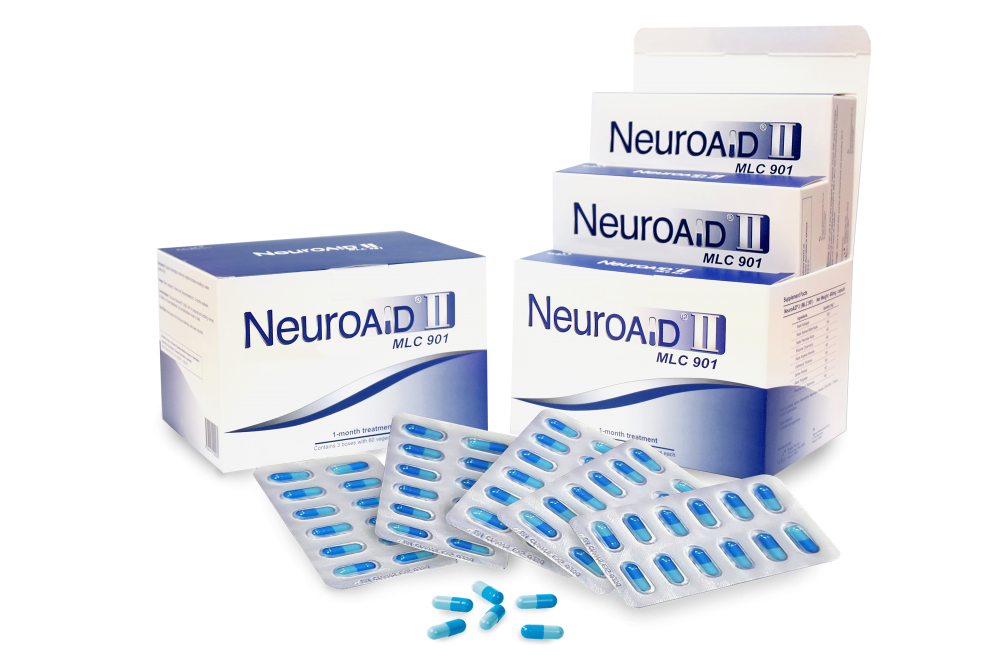
If you need information about NeuroAiD II, you can fill out this contact form
"*" indicates required fields


