



The motor cortex is one of the most important areas of the brain, as it is responsible for planning, initiating, and controlling the body’s voluntary movements. Its function enables us to perform actions such as raising a hand, walking, writing, or speaking.
This brain region works in coordination with other structures of the nervous system to ensure that movements are precise, smooth, and appropriately adapted to each situation. When the motor cortex is damaged, individuals may experience difficulty moving a specific part of the body, muscle weakness, or impaired motor coordination.
What is the motor cortex?
The motor cortex is a region located in the frontal lobe of the brain, immediately anterior to the central sulcus. It forms part of the cerebral cortex and plays an essential role in the control of voluntary movements.
Its primary function is to send signals through the spinal cord to the muscles to produce movement. However, before any action is executed, the motor cortex receives information from other brain regions involved in planning and coordinating each movement.
Each cerebral hemisphere primarily controls movements on the opposite side of the body. For example, the left motor cortex controls most movements on the right side of the body, while the right motor cortex controls those on the left side.
Where is the motor cortex located?
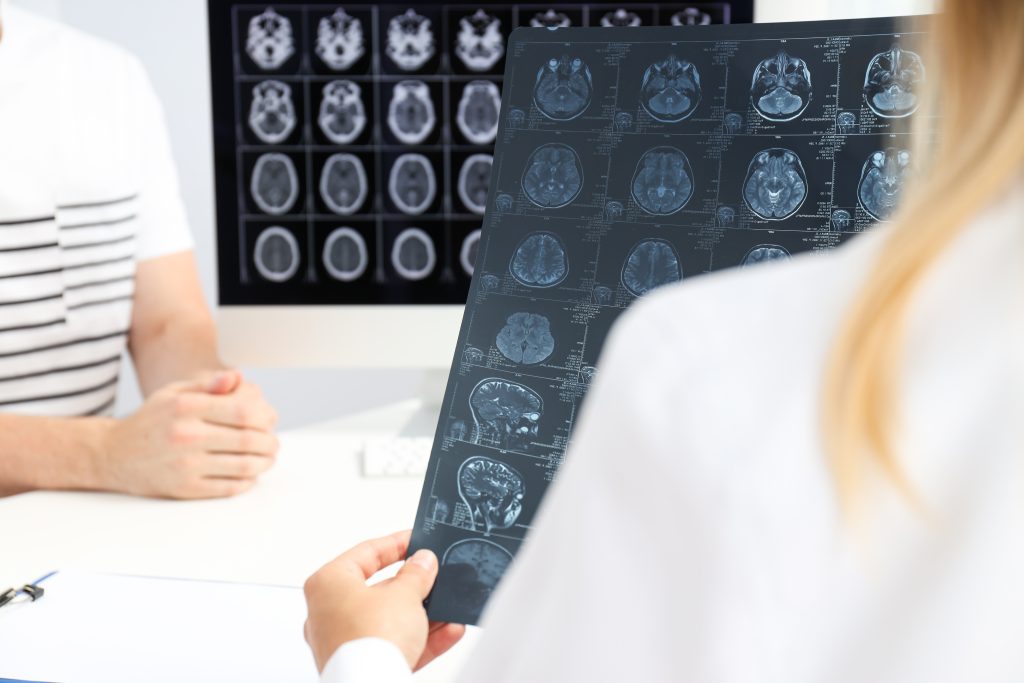
The motor cortex is located in the posterior part of the frontal lobe, occupying the precentral gyrus.
Several functional areas can be distinguished within this region:
- Primary motor cortex.
- Premotor cortex.
- Supplementary motor area.
Each of these areas is involved in different stages of movement, from planning to execution.
Functions of the motor cortex
The motor cortex is involved in numerous functions related to movement.
Among the most important are:
- Initiating voluntary movements.
- Controlling muscle force.
- Coordinating precise movements.
- Regulating posture during movement.
- Contributing to the learning of motor skills.
- Coordinating fine movements of the hands and fingers.
- Contributing to the movements required for speech.
These functions enable everyday activities to be performed efficiently and in a coordinated manner.
How does the motor cortex organize movement?
The motor cortex has an organizational pattern known as somatotopic organization, represented by the well-known “motor homunculus.”
This means that different regions of the motor cortex control different parts of the body.
Body regions that require highly precise movements, such as the hands, lips, or tongue, occupy a much larger cortical area than regions responsible for controlling larger muscles.
This distribution explains why lesions affecting specific areas of the motor cortex produce distinct motor impairments depending on the part of the body involved.
Relationship with other areas of the brain
The motor cortex does not function in isolation.
It receives information from multiple brain structures, including:
- Somatosensory cortex.
- Basal ganglia.
- Cerebellum.
- Thalamus.
- Prefrontal cortex.
- Premotor cortex.
- Supplementary motor area.
The integration of this information allows movements to be adapted to each situation and enables errors to be corrected during their execution.
What happens when the motor cortex is damaged?
Damage to the motor cortex can significantly impair the ability to move a specific part of the body.
The most common causes include:
- Stroke.
- Traumatic brain injury.
- Brain tumors.
- Neurodegenerative diseases.
- Infections of the nervous system.
- Vascular malformations.
The severity of the impairment depends on the size and precise location of the lesion.
Symptoms of motor cortex damage

Symptoms may vary depending on the area affected.
The most common include:
- Muscle weakness.
- Partial or complete paralysis.
- Difficulty performing fine motor movements.
- Impaired coordination.
- Spasticity.
- Balance disturbances.
- Difficulty walking.
- Difficulty articulating words when areas involved in motor speech are affected.
In general, motor impairments occur on the side of the body opposite to the affected cerebral hemisphere.
How is motor cortex function assessed?
The assessment begins with a comprehensive neurological examination.
This may be followed by various complementary tests, including:
- Magnetic resonance imaging (MRI).
- Computed tomography (CT).
- Functional magnetic resonance imaging (fMRI).
- Electromyography (EMG).
- Transcranial magnetic stimulation (TMS).
- Neurophysiological studies.
These tools help identify the location and extent of the lesion.
Recovery after motor cortex injury
Recovery depends on several factors:
- The patient’s age.
- The size of the lesion.
- The area of the brain affected.
- How quickly treatment is initiated.
- Early initiation of rehabilitation.
The brain has a certain capacity for reorganization, known as neuroplasticity, which allows other brain regions to partially take over some of the functions that have been lost.
Rehabilitation usually includes:
- Physiotherapy.
- Occupational therapy.
- Speech and language therapy when speech is affected.
- Specific exercises to improve balance and coordination.
- Functional training programs.
Recovery is usually gradual and may continue for months or even years.
Conclusion
The motor cortex is a fundamental brain region involved in the control of voluntary movements. Its proper function enables individuals to perform everything from the simplest movements to the most complex activities of daily living. When this area is damaged, significant motor impairments may occur. However, early diagnosis and an appropriate rehabilitation program can promote functional recovery and improve patients’ quality of life.
If you need information about NeuroAiD II, please fill out this contact form.
"*" indicates required fields


