



The relationship between salt and stroke has been extensively studied. Excessive salt intake is a key factor in the development of hypertension, which in turn represents the leading cause of stroke. Understanding how salt and stroke are connected allows for the adoption of healthier habits and risk reduction.
What is a stroke?
A stroke occurs when blood flow to the brain is interrupted due to the obstruction or rupture of a blood vessel. Hypertension is the most significant risk factor, and this is where the connection between salt and stroke is established.
-
Ischemic stroke, caused by the obstruction of a blood vessel.
-
Hemorrhagic stroke, caused by the rupture of a blood vessel in the brain.
In both cases, risk factors such as hypertension play a decisive role, and this is where salt becomes highly relevant.
The role of salt in the body
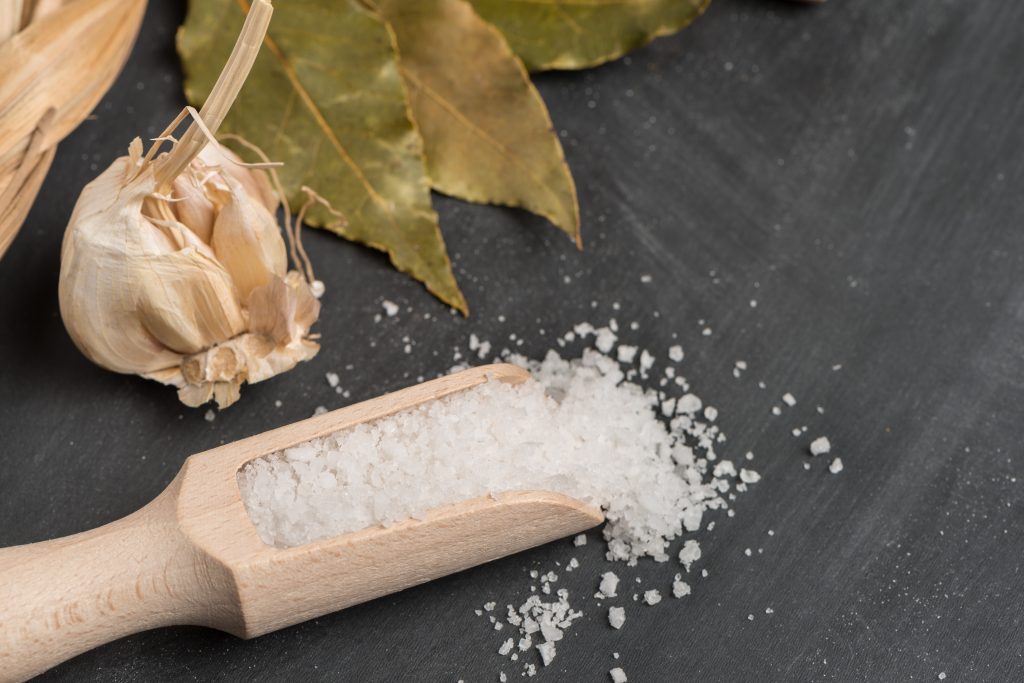
Salt, primarily composed of sodium, is required in small amounts for fluid balance and nerve transmission. However, excessive intake increases blood pressure. This mechanism explains the close association between salt and stroke.
How does salt influence stroke?
Excess dietary salt intake:
-
Increases blood pressure: hypertension is the most important risk factor for stroke.
-
Damages blood vessels: excess sodium leads to arterial stiffness, increasing the likelihood of rupture or blockage.
-
Promotes fluid retention: it increases circulating blood volume, adding more pressure on the arterial walls.
These effects make salt a key factor in the development of stroke, reinforcing the relationship between salt and stroke.
International data and recommendations
The World Health Organization recommends a maximum daily salt intake of 5 grams. However, the global average ranges between 9 and 12 grams, effectively doubling the risk. This reinforces the evidence that salt and stroke have a direct and concerning association.
Foods high in salt
A large proportion of salt intake does not come from the salt shaker, but from processed foods such as industrial bread, instant soups, processed meats, canned products, and snacks. This hidden intake explains why salt and stroke represent such a dangerous combination.
-
Processed meats and cured meats
-
Instant soups and concentrated broths
-
Industrial bread
-
Fast food and salty snacks
-
Prepared sauces and canned foods
Identifying these hidden sources of sodium allows for the necessary dietary changes to reduce the risk of stroke.
Strategies to reduce salt intake
Reducing salt intake is achievable through simple steps:
-
Cook with spices and herbs to enhance flavor instead of using excess salt
-
Read nutritional labels to choose low-sodium products
-
Reduce the consumption of processed foods and prioritize fresh foods
-
Avoid adding extra salt at the table
-
Opt for alternatives such as low-sodium salt, always under medical recommendation
Scientific evidence on salt and stroke
Numerous studies confirm that reducing salt intake significantly decreases the incidence of hypertension and, consequently, stroke. This evidence supports the direct relationship between salt and stroke and highlights the importance of controlling sodium intake.

The relationship between salt and stroke not only affects individuals, but also represents a public health issue. Policies aimed at reducing sodium in processed foods have demonstrated a notable decrease in stroke incidence across several countries.
Conclusion
The connection between salt and stroke is clear: higher salt intake increases the likelihood of hypertension and, consequently, stroke. Reducing dietary sodium not only protects the brain, but also strengthens the heart and improves overall health.
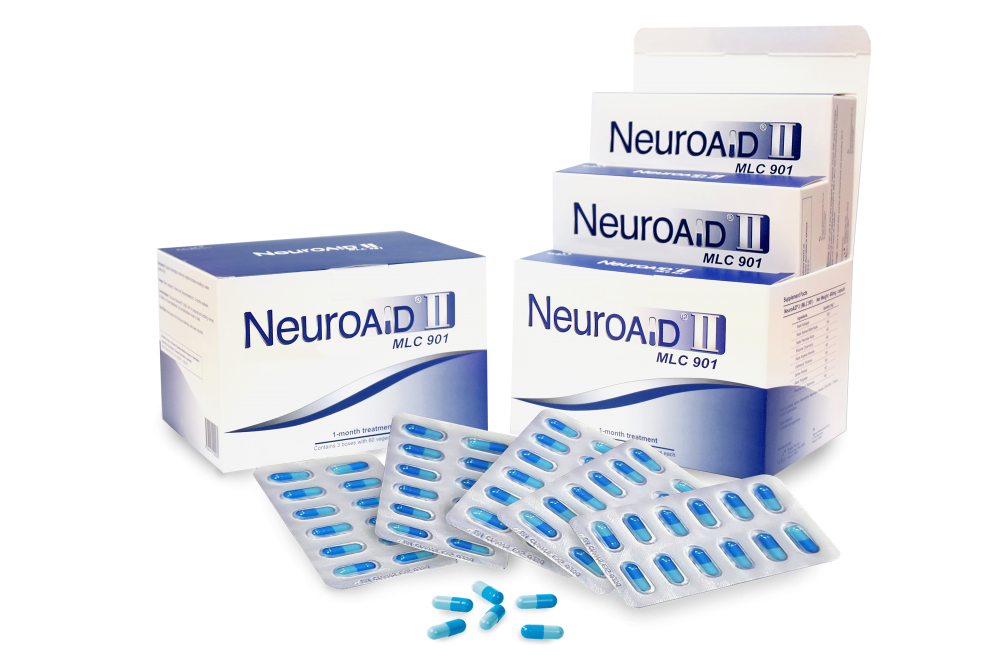
If you would like more information about NeuroAiD II, please fill out this contact form.
"*" indicates required fields


