
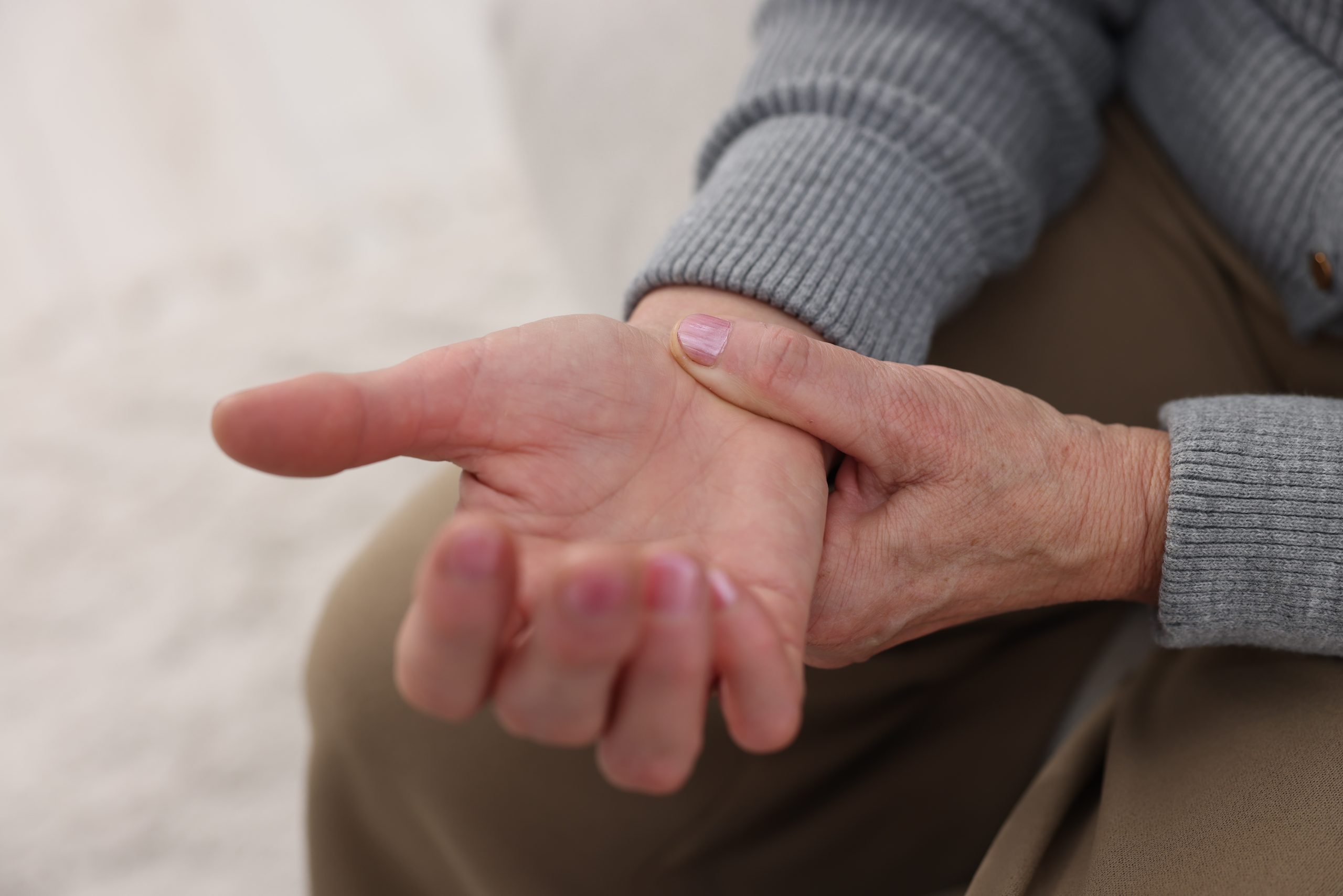

Alien hand syndrome is a rare neurological disorder in which a person perceives that one of their hands acts independently, as if it had a will of its own. Although the hand belongs to the patient and, in many cases, retains strength and sensation, the involuntary movements create a sense of loss of control that can be highly disconcerting.
This syndrome usually occurs following brain lesions, particularly after a stroke, neurosurgical procedures, or diseases affecting specific areas of the brain. Understanding how it develops helps explain one of the most remarkable phenomena in neurology.
What is alien hand syndrome?
Alien hand syndrome, also known as alien hand phenomenon, is a neurological disorder characterized by involuntary movements of one hand accompanied by the sensation that the limb is acting on its own.
Unlike tremors or spastic movements, the hand may perform apparently coordinated actions, such as:
- Grasping objects unintentionally.
- Opening doors unexpectedly.
- Unbuttoning buttons that the other hand has just fastened.
- Involuntarily grasping clothing or furniture.
- Interfering with actions the patient is attempting to perform.
Most notably, the person is usually fully aware that these movements do not correspond to their intention.
Why does it occur?
The brain continuously coordinates the planning, execution, and monitoring of all our movements. When certain neural connections are damaged, some motor programs may become activated without the usual conscious control.
The brain structures most commonly associated with the syndrome include:
- Corpus callosum.
- Medial frontal lobe.
- Supplementary motor area.
- Anterior cingulate cortex.
- Posterior parietal regions.
These areas are involved in motor planning and the sense that we are the ones initiating our own actions.
Relationship with stroke
Stroke is one of the most common causes of alien hand syndrome.
Depending on the location of the cerebral infarction, the neural networks responsible for voluntary hand control may be damaged, particularly when the lesion involves:
- The anterior cerebral artery territory.
- The corpus callosum.
- The medial frontal cortex.
- Supplementary motor regions.
Not all patients who experience a stroke develop this syndrome, as it requires highly specific damage to these brain connections.
Other causes
In addition to stroke, the syndrome may occur in other neurological conditions, such as:
- Traumatic brain injury.
- Epilepsy surgery.
- Brain tumors.
- Corticobasal degeneration.
- Creutzfeldt-Jakob disease.
- Other rare neurodegenerative diseases.
In all cases, there is disruption of the neural circuits responsible for conscious motor control.
Symptoms of alien hand syndrome
The most common symptoms include:
- Complex involuntary movements.
- A sensation that the hand “does not obey.”
- Involuntary grasping of objects.
- Difficulty releasing objects.
- Conflict between the two hands during a task.
- Interference with daily activities.
- A feeling of estrangement from the affected limb.
Some patients may even talk to the affected hand or need to restrain it with the other hand to prevent unexpected movements.
Types of alien hand syndrome
Neurologists generally distinguish several clinical variants based on the location of the lesion.
Frontal variant
It is the most common variant following lesions of the frontal lobe.
The predominant features include:
- Grasp reflex.
- Automatic manipulation of objects.
- Impulsive motor behaviors.
Callosal variant
It occurs when the corpus callosum is damaged.
This may result in intermanual conflict, in which one hand performs an action while the other attempts to counteract it.
Posterior variant
Associated with parietal or occipital lesions.
Patients often describe a strong sensation that the hand does not belong to them, accompanied by involuntary movements.
How is it diagnosed?
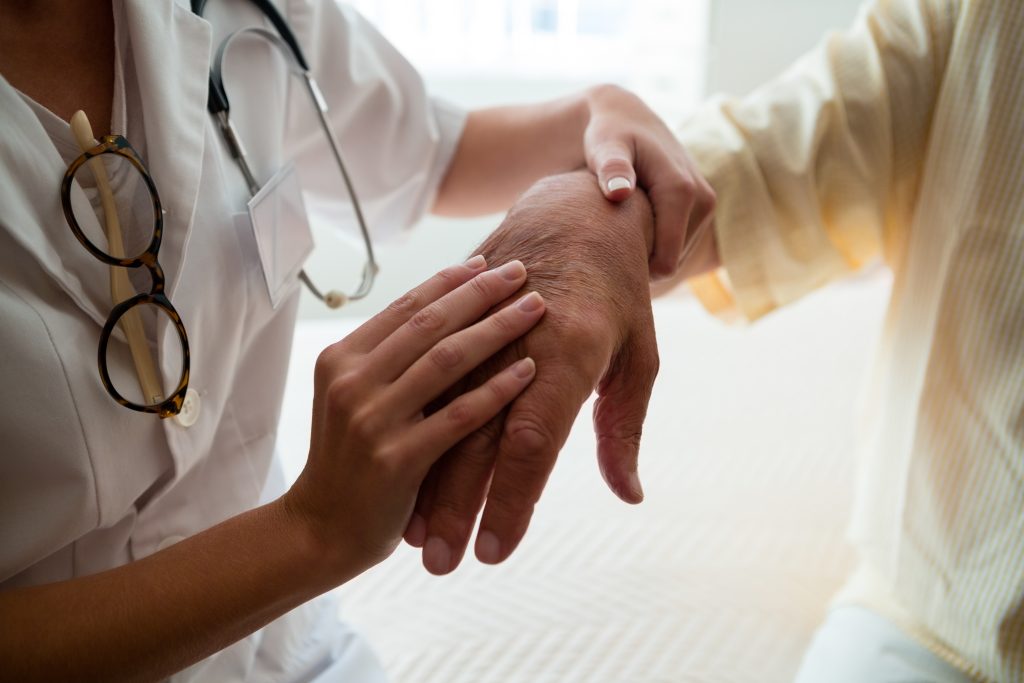
Diagnosis is primarily clinical and requires a detailed neurological evaluation.
In addition to the physical examination, tests may include:
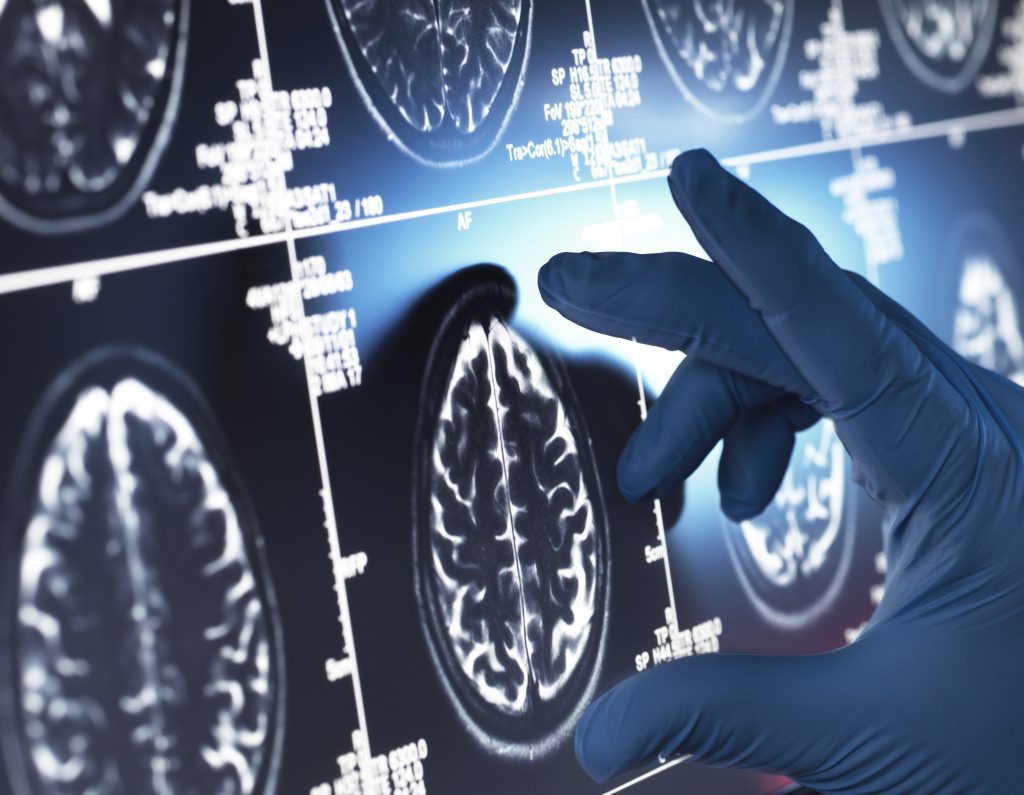
- Brain magnetic resonance imaging (MRI).
- Computed tomography (CT).
- Neuropsychological assessment.
- Functional assessment of movement.
These examinations help identify the underlying lesion and rule out other movement disorders.
Can it be confused with other conditions?
Yes. It is important to differentiate alien hand syndrome from other neurological conditions, such as:
- Essential tremor.
- Parkinson’s disease.
- Chorea.
- Dystonia.
- Myoclonus.
- Apraxia.
- Psychiatric disorders.
The distinguishing feature is the combination of involuntary movements with a sensation of loss of voluntary control over the hand.
Evolution
The course of the syndrome largely depends on its underlying cause.
In some patients who have experienced a stroke, symptoms may gradually decrease as the brain reorganizes some of its functions during recovery.
In contrast, when the syndrome occurs as a consequence of neurodegenerative diseases, its progression generally depends on the course of the underlying condition.
The severity of symptoms may vary over time and does not always remain constant.
Conclusion
Alien hand syndrome represents one of the most remarkable examples of how the brain creates the sense of control over our own movements. Although it is a rare condition, its study has contributed to a better understanding of the complex neural networks involved in motor planning, body awareness, and the perception of voluntary action.
Following a stroke or other specific brain lesions, the appearance of involuntary movements of one hand may reflect a highly specific disruption of these neural circuits, making alien hand syndrome a unique phenomenon in clinical neurology.
If you would like more information about NeuroAiD II, please complete this contact form.
"*" indicates required fields


