




Opalski syndrome is a rare variant of lateral medullary syndrome, also known as Wallenberg syndrome. It is characterized by the combination of the classic symptoms of a lesion involving the lateral medulla with weakness or paralysis on the same side of the body as the lesion, a feature that distinguishes it from other brainstem syndromes.
Opalski syndrome generally occurs as a consequence of an ischemic stroke affecting the vertebrobasilar circulation, particularly the vertebral artery or the posterior inferior cerebellar artery (PICA).
What is Opalski syndrome?
Opalski syndrome is a neurological disorder caused by a lesion in the lateral region of the medulla oblongata that extends to the corticospinal fibers after their decussation (crossing).
This involvement produces a combination of neurological signs, including sensory disturbances, balance problems, and ipsilateral hemiparesis, an uncommon finding in brainstem syndromes.
It was first described in 1946 by neurologist Adam Opalski.
Why does it occur?
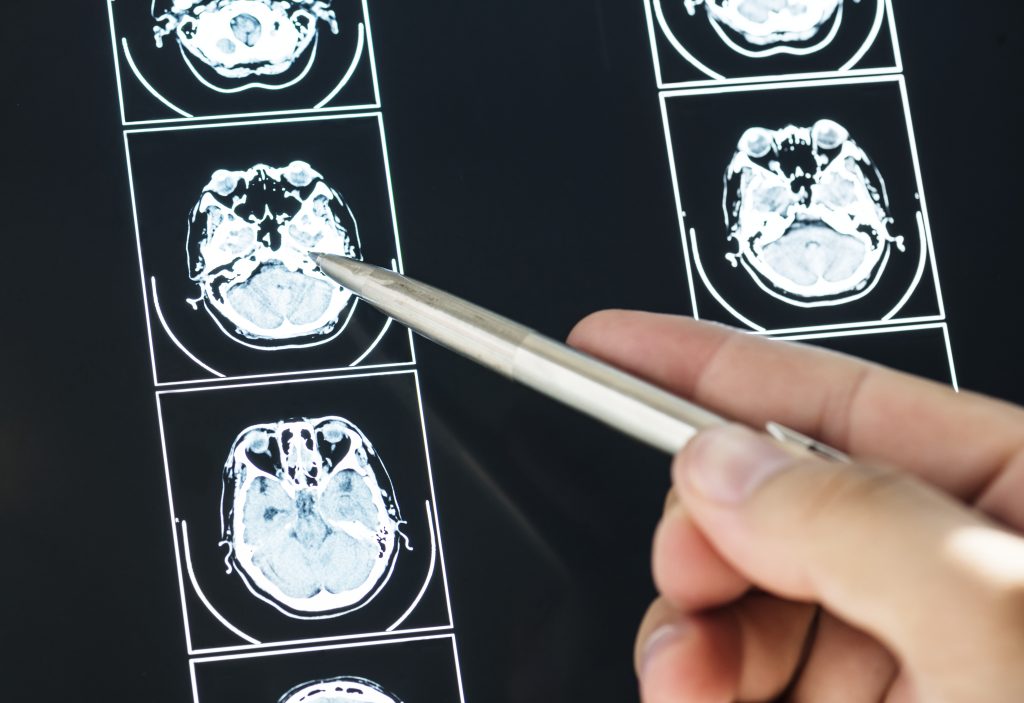
The syndrome occurs when a cerebral infarction simultaneously affects:
- The lateral region of the medulla oblongata.
- The fibers of the corticospinal tract after they have crossed to the opposite side.
As a result, the patient presents with typical symptoms of Wallenberg syndrome together with weakness on the same side as the lesion.
Most common causes
Most cases are associated with vascular abnormalities, including:
- Vertebral artery infarction.
- Occlusion of the posterior inferior cerebellar artery (PICA).
- Vertebral artery dissection.
- Atherosclerotic disease.
- Cerebral embolism.
Less commonly, the syndrome may also occur following trauma or lesions affecting the medulla oblongata.
Symptoms of Opalski syndrome
Symptoms depend on the extent of the lesion, although they typically include:
- Weakness or paralysis on the same side of the body (ipsilateral hemiparesis).
- Severe dizziness or vertigo.
- Nausea and vomiting.
- Difficulty walking.
- Impaired balance.
- Loss of pain and temperature sensation on the opposite side of the body.
- Reduced facial sensation on the side of the lesion.
- Dysphagia.
- Dysphonia.
- Ipsilateral Horner syndrome.
- Nystagmus.
The combination of these signs helps the neurologist identify a lesion located in the brainstem.
How does it differ from Wallenberg syndrome?
Both syndromes share most of their clinical manifestations.
The main difference is that:
- Wallenberg syndrome: typically does not cause significant weakness of the limbs.
- Opalski syndrome: hemiparesis occurs on the same side as the lesion due to involvement of the corticospinal tract after decussation.
This anatomical difference is the defining feature of Opalski syndrome.
Diagnosis
Diagnosis combines neurological examination with imaging techniques.
The most commonly used tests include:
- Brain magnetic resonance imaging (MRI).
- Magnetic resonance angiography (MRA).
- Computed tomography (CT).
- CT angiography (CTA).
- Vascular studies.
These examinations help localize the infarction and identify the affected blood vessel.
Treatment

Management depends on the underlying cause of the syndrome.
When associated with an ischemic stroke, treatment follows established protocols for this type of stroke and includes measures aimed at restoring or preserving cerebral blood flow, preventing further complications, and promoting functional recovery through rehabilitation when necessary.
The therapeutic approach should always be individualized according to each patient’s clinical condition.
Prognosis
The outcome varies and depends primarily on:
- The size of the infarction.
- The speed of diagnosis.
- The treatment received.
- The presence of other vascular diseases.
Many patients experience a gradual improvement in symptoms during the months following the stroke, although some neurological deficits may persist.
Conclusion
Opalski syndrome is a rare variant of lateral medullary syndrome characterized by the presence of ipsilateral hemiparesis, a finding that distinguishes it from other brainstem syndromes. Although it usually occurs as a consequence of a stroke affecting the vertebrobasilar circulation, recognizing this syndrome is important for accurately localizing the brain lesion and understanding the neurological manifestations presented by each patient.
If you would like more information about NeuroAiD II, please complete this contact form.
"*" indicates required fields


