

Spastic hemiplegia is a neurological condition characterized by muscle weakness and stiffness on one side of the body. It is a common form of cerebral palsy and affects both children and adults. This condition can have a significant impact on a person’s ability to move, perform daily activities, and fully participate in society. In this article, we will explore in detail what spastic hemiplegia is, its causes, symptoms, diagnosis, treatment, and how it affects the quality of life of those who suffer from it.
What is Spastic Hemiplegia?
Spastic hemiplegia is a form of cerebral palsy characterized by muscle weakness and stiffness on one side of the body. Cerebral palsy is a movement and posture development disorder caused by damage or abnormalities in the brain during early stages of life. Spastic hemiplegia is caused by an injury to the cerebral cortex or the motor pathways in the brain that control voluntary movements.
Causes of Spastic Hemiplegia
La hemiplejia espástica puede tener diversas causas. En algunos casos, puede estar asociada con complicaciones durante el embarazo o el parto, como falta de oxígeno al cerebro del bebé. Otras posibles causas incluyen infecciones cerebrales, accidentes cerebrovasculares, traumatismos craneoencefálicos y trastornos genéticos. Sin embargo, en muchos casos, la causa exacta no se conoce.

Symptoms of Spastic Hemiplegia
Los síntomas de la hemiplejia espástica varían de una persona a otra, dependiendo de la gravedad de la lesión cerebral y la extensión del daño. Los síntomas más comunes incluyen debilidad muscular en un lado del cuerpo, rigidez muscular, espasmos musculares, dificultad para controlar los movimientos finos, alteraciones en la marcha y el equilibrio, y retrasos en el desarrollo motor en los niños.
Diagnosis of Spastic Hemiplegia
The diagnosis of spastic hemiplegia is generally made through a thorough clinical evaluation and analysis of the individual’s medical history. The doctor may perform neurological tests to assess muscle strength, coordination, and reflexes. Imaging tests, such as magnetic resonance imaging (MRI) or computed tomography (CT), may also be conducted to identify possible brain lesions.
Treatment of Spastic Hemiplegia
El tratamiento de la hemiplejia espástica tiene como objetivo mejorar la calidad de vida y maximizar la función motora de la persona afectada. El enfoque del tratamiento puede variar según las necesidades individuales, pero a menudo incluye una combinación de terapia física, terapia ocupacional, terapia del habla y medicamentos.

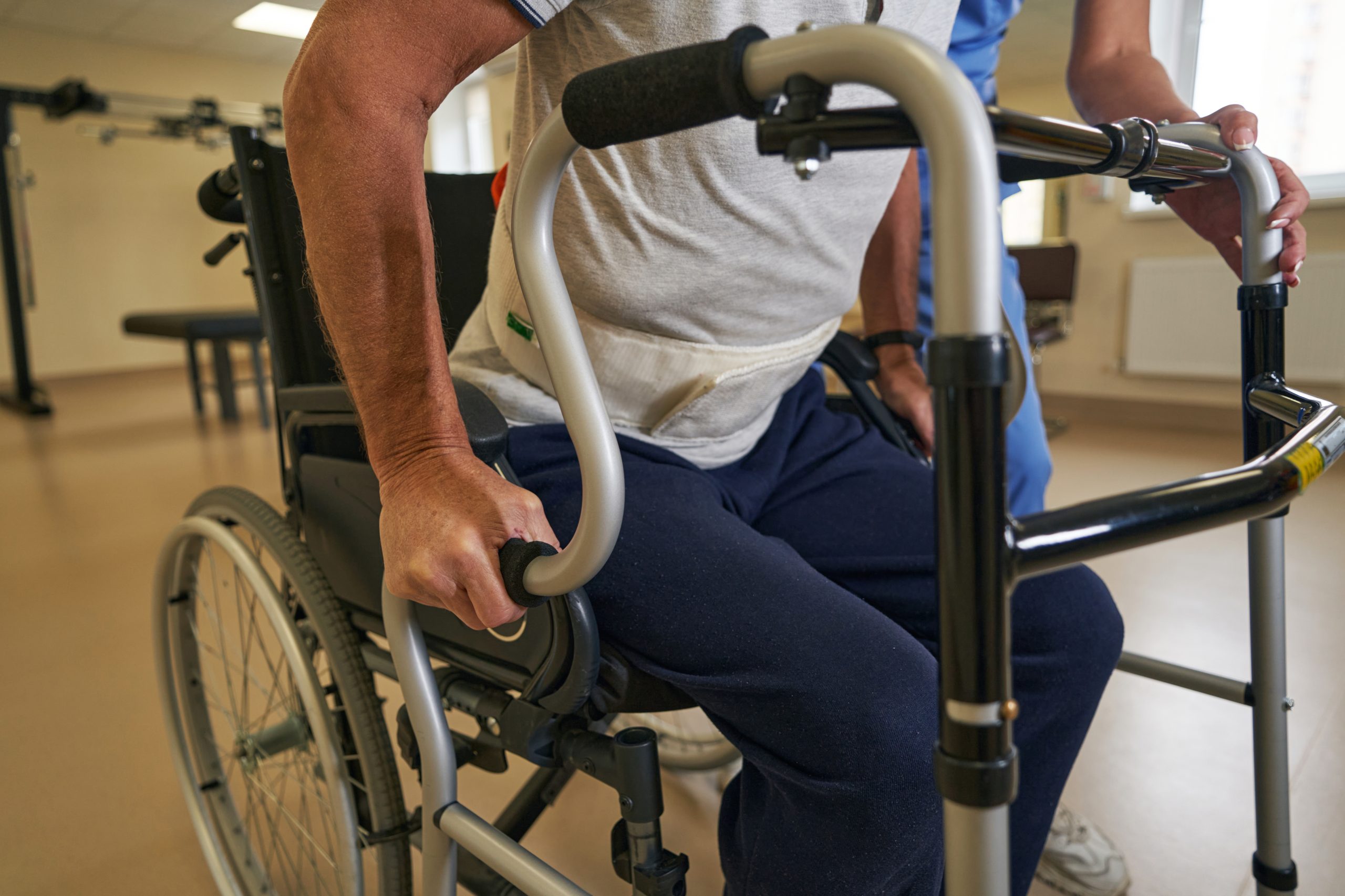
Physical therapy plays a crucial role in the treatment of spastic hemiplegia. Exercises and mobilization techniques are used to improve muscle strength, flexibility, and movement control. Occupational therapy focuses on developing skills to carry out daily activities such as dressing, eating, and writing. Speech therapy can be beneficial for those who have difficulties with verbal communication.
In some cases, medications may be prescribed to reduce muscle spasticity and improve motor function. Estos medicamentos pueden incluir relajantes musculares, medicamentos antiespasmódicos o toxina botulínica tipo A (Botox) para inyecciones locales en los músculos afectados.
Impact on Quality of Life
Spastic hemiplegia can have a significant impact on the quality of life of those who suffer from it. Difficulties with movement and performing daily activities can lead to frustration, dependence, and limitations in social participation. Additionally, people with spastic hemiplegia may experience issues with self-esteem, depression, and anxiety due to their physical difficulties and the limitations imposed by their condition.
It is important to keep in mind that, although spastic hemiplegia can present challenges, many people find ways to adapt and lead fulfilling lives. Emotional support, appropriate therapy, and comprehensive medical care are essential to help individuals with spastic hemiplegia reach their full potential and improve their quality of life.
Conclusion
Spastic hemiplegia is a neurological condition that causes muscle weakness and stiffness on one side of the body. It can affect both children and adults and is a common form of cerebral palsy. While the exact cause can vary, proper diagnosis and treatment are essential to improve the quality of life of those affected. With proper support and comprehensive care, individuals with spastic hemiplegia can face challenges and achieve a satisfying and fulfilling life.
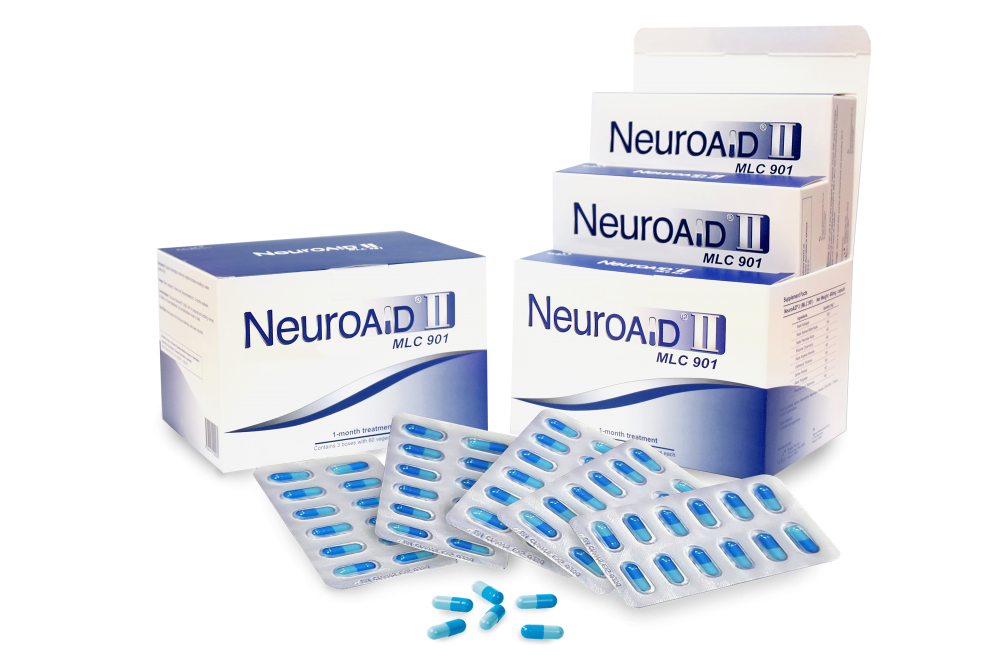
If you need information about NeuroAiD II, you can fill out this contact form.
"*" indicates required fields


