

The ability to communicate is one of the most important functions in daily life. Therefore, when a person experiences a stroke and develops speech difficulties, both the patient and their family often wonder whether language function can be restored. The good news is that many people are able to regain speech after a stroke, although the recovery process can vary considerably from one individual to another.
Recovery depends on factors such as the severity of brain damage, the area of the brain affected, how quickly treatment was received, and access to specialised rehabilitation programmes.
Why can a stroke affect speech?
Language is controlled by specific areas of the brain. When a stroke affects these regions, difficulties with expressing oneself, understanding language, or articulating words may occur.
Among the most common disorders are aphasia and dysarthria.
Aphasia affects the ability to use or understand language. Some individuals have difficulty finding the right words, while others experience problems understanding conversations or reading and writing.
Dysarthria, on the other hand, occurs when the muscles involved in speech become weak or lose coordination, resulting in unclear articulation.
Is it possible to regain speech after a stroke?
Yes. Many people are able to regain speech after a stroke thanks to the brain’s ability to reorganise and adapt. This phenomenon, known as neuroplasticity, allows other areas of the brain to partially take over functions that have been affected.
Recovery may be complete in some patients, while others experience gradual improvements that enable them to communicate increasingly effectively.
It is important to understand that every case is unique and that the rate of recovery varies from person to person.

Factors influencing recovery
Several factors can influence the ability to regain speech after a stroke.
Severity of brain damage
In general, the less extensive the brain damage, the greater the likelihood of rapid language recovery.
Area of the brain affected
Lesions that directly affect the brain regions responsible for language tend to cause more significant impairments.
Age and overall health status
Although recovery is possible at any age, good overall health can support the rehabilitation process.
Early initiation of rehabilitation
Early intervention is generally associated with better functional outcomes and a greater likelihood of speech recovery.
The role of speech and language therapy
Speech and language therapy is one of the most important approaches for individuals seeking to regain speech after a stroke.
A speech and language therapist assesses the patient’s specific difficulties and develops an exercise programme tailored to their needs. The aim is to progressively improve verbal communication, language comprehension, reading, and writing, where necessary.
Therapy sessions may include:
-
Pronunciation exercises.
-
Vocabulary practice.
-
Techniques to improve language comprehension.
-
Alternative communication strategies.
-
Training of the muscles involved in speech.
Consistency and regular practice are often key factors in achieving positive outcomes.
The importance of family support
Family members play a fundamental role in language recovery. A patient and understanding environment can help reduce frustration and encourage daily communication practice.
Some recommendations for family members include:
-
Speaking slowly and clearly.
-
Allowing sufficient time for the patient to respond.
-
Avoiding constantly completing the patient’s sentences.
-
Using gestures or visual aids when necessary.
-
Engaging in regular conversations.
Active family involvement can contribute significantly to the patient’s progress.
How long does recovery take?
There is no single answer. Some improvements may be observed during the first few weeks or months, while others may continue to develop over several years.
Progress is generally faster during the first few months following a stroke, but this does not mean that recovery stops thereafter. Many individuals continue to improve their communication abilities through consistent practice and long-term rehabilitation.
For this reason, it is important to maintain realistic expectations while remaining motivated.
Strategies to facilitate communication

While speech is recovering, various tools can be used to improve communication:
-
Use of images or photographs.
-
Digital communication applications.
-
Gestures and body language.
-
Writing down key words.
-
Communication boards.
These strategies help maintain social interaction and reduce the isolation that some individuals experience following a stroke.
Conclusion
Regaining speech after a stroke is an achievable goal for many individuals. Although recovery may require time, effort, and specialised rehabilitation, the brain has a remarkable capacity to adapt, allowing individuals to regain lost functions or develop new ways of communicating. A combination of professional treatment, family support, and consistent practice offers the best opportunities to improve language abilities and restore confidence in everyday communication.
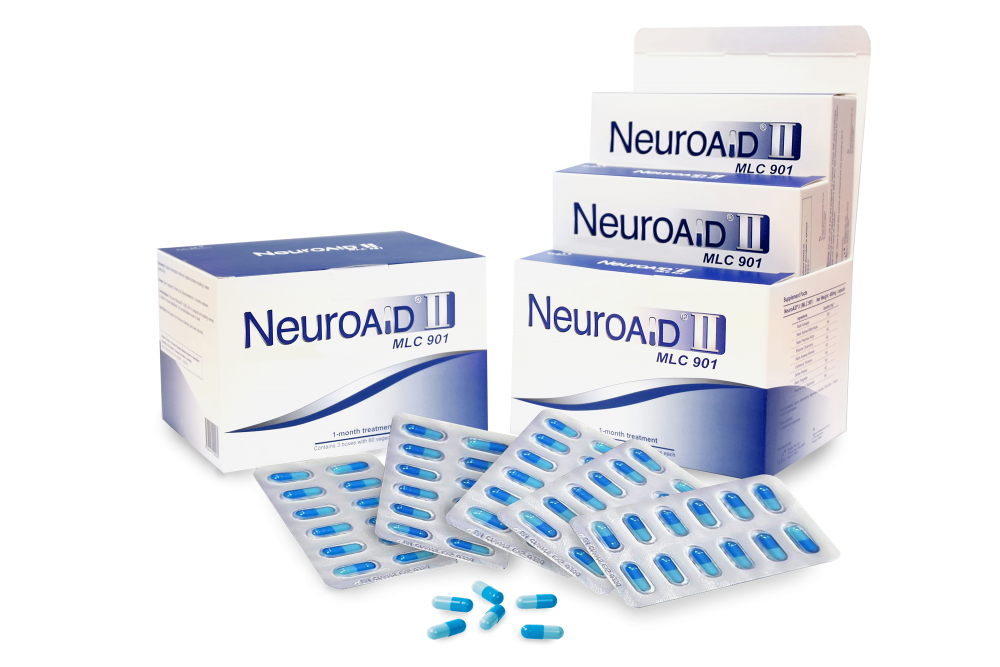
If you would like more information about NeuroAiD II, please complete this contact form.
"*" indicates required fields


