



For many people, regaining the ability to drive represents an important step towards independence after a stroke. However, driving after a stroke requires careful assessment, as the safety of both the patient and other road users must always remain the priority.
The possibility of returning to driving depends on multiple factors, including the severity of the stroke, any residual impairments, and medical recommendations. Although many patients are able to resume driving, not everyone will be able to do so immediately or under the same conditions as before.
Is it possible to drive after a stroke?

Yes, many people can return to driving after a stroke. However, driving should only be resumed once sufficient recovery of the physical, cognitive, and visual abilities required to operate a vehicle safely has been achieved.
Recovery varies from patient to patient. While some individuals regain their abilities relatively quickly, others may require longer periods of rehabilitation or may experience permanent impairments that make driving difficult.
For this reason, the decision to resume driving should never be based solely on personal judgement, but should be made with guidance from healthcare professionals.
Why can driving ability be affected?
A stroke can affect different areas of the brain responsible for functions essential to driving.
Some of the most common impairments include:
-
Weakness or paralysis on one side of the body.
-
Reduced motor coordination.
-
Balance problems.
-
Visual disturbances.
-
Difficulties with attention and concentration.
-
Slower information processing.
-
Memory problems.
-
Difficulties making quick decisions.
Even seemingly mild impairments can increase the risk of road traffic accidents.
The importance of medical assessment
Before considering driving after a stroke, it is essential to consult the medical team responsible for the patient’s recovery.
Healthcare professionals can assess factors such as:
-
Muscle strength.
-
Mobility of the arms and legs.
-
Visual function.
-
Reaction time.
-
Cognitive function.
-
Risk of recurrent neurological events.
In some cases, specific assessments may be necessary to determine whether the individual is ready to resume driving.
How long should you wait?
There is no single waiting period that applies to all patients. The time required will depend on the severity of the stroke and the individual’s recovery progress.
Some patients may be medically cleared to resume driving after several weeks or months, while others may require longer recovery periods.
In addition, regulations may vary depending on the country or region, so it is always advisable to check the applicable legal requirements.
The role of rehabilitation
Rehabilitation can significantly contribute to improving the skills required for driving.
Physiotherapy helps restore strength, mobility, and coordination. Occupational therapy, meanwhile, can address aspects related to attention, planning, and the ability to perform complex tasks.
In certain cases, specialists may recommend specific driving assessment and training programmes for individuals who have experienced a stroke.
Vehicle adaptations
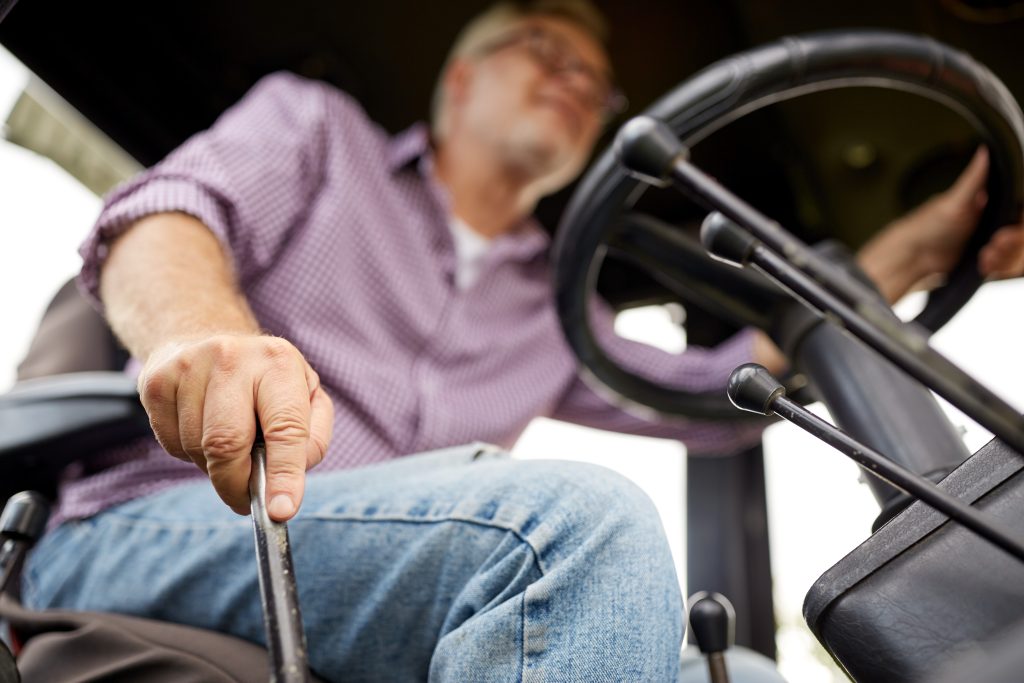
Some individuals may benefit from vehicle modifications to make driving easier.
The most common adaptations include:
-
Hand controls for acceleration and braking.
-
Power-assisted steering systems.
-
Additional mirrors.
-
Mobility assistance devices.
These modifications allow some patients to maintain their independence despite certain physical limitations.
Signs that it is not yet safe to drive
There are situations in which driving may pose a significant safety risk.
Some warning signs include:
-
Frequent episodes of dizziness.
-
Persistent visual disturbances.
-
Difficulty maintaining attention.
-
Significantly delayed reaction times.
-
Marked weakness in the arms or legs.
-
Confusion or disorientation.
-
Excessive fatigue.
If any of these symptoms are present, it is advisable to postpone driving and consult a healthcare professional.
Tips for returning to driving safely
When a doctor determines that an individual is ready to resume driving, certain recommendations can help facilitate the transition:
-
Start with short journeys.
-
Avoid periods of heavy traffic.
-
Drive during daylight hours.
-
Get adequate rest before each journey.
-
Avoid distractions while driving.
-
Regularly reassess physical and cognitive abilities.
Confidence is generally regained gradually through practice and experience.
Conclusion
Driving after a stroke is possible for many individuals, but it requires an individualised assessment and a safety-focused approach. Physical, cognitive, and visual recovery play a fundamental role in determining the ability to resume driving. With appropriate rehabilitation, medical follow-up, and specific adaptations when necessary, many patients are able to regain this important aspect of their independence and quality of life.
If you would like more information about NeuroAiD II, please complete this contact form.
"*" indicates required fields


