


When discussing critical medical emergencies related to oxygen deprivation, one of the most important terms is anoxic anoxia. This subtype of anoxia can produce devastating consequences for the body within minutes. Understanding what anoxic anoxia is, how it manifests, its causes, and treatment options can make the difference between life and death.
What is anoxic anoxia?
Anoxic anoxia is a severe medical condition that occurs when oxygen is not present in the air being breathed, or is present at such low concentrations that it cannot be utilized by the lungs to oxygenate the blood. In other words, it is not a problem of circulation, cellular utilization, or oxygen transport, but rather a complete absence or extreme deficiency of oxygen in the environment.
Therefore, when referring to anoxic anoxia, it denotes the inability to obtain oxygen from the atmosphere, which can lead to multisystem failure if not addressed promptly.
Difference between anoxia and anoxic anoxia
Anoxia, in general terms, refers to any situation in which the body’s tissues do not receive oxygen. It can be classified into several forms: ischemic, stagnant, toxic, and anoxic. Within this group, anoxic anoxia is distinguished by being directly related to the lack of environmental oxygen, rather than to its circulation or metabolism.
For example, a person who suffers a cerebral infarction may experience ischemic anoxia, whereas a person trapped in a fire or in a sealed, airless space experiences anoxic anoxia.
Causes of anoxic anoxia
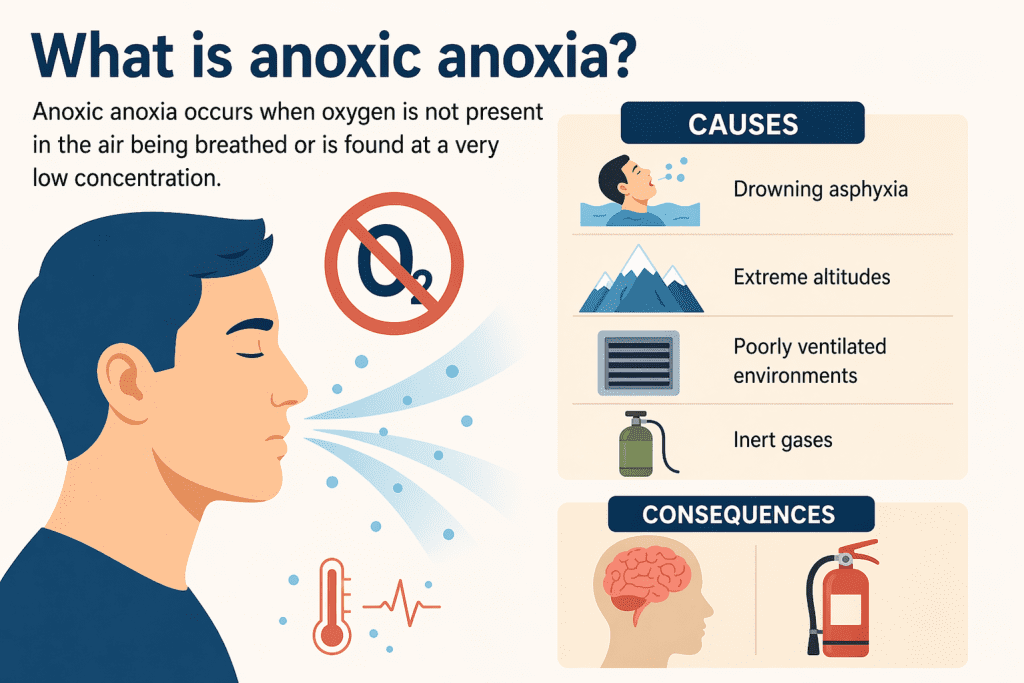
Situations that can lead to anoxic anoxia are more common than often assumed, especially in occupational settings, domestic accidents, or natural disasters. The most frequent causes include:
-
Drowning asphyxia: water prevents oxygen from entering the respiratory system.
-
Poorly ventilated environments: such as basements, mines, or sealed rooms where oxygen becomes depleted.
-
Extreme altitudes: the higher the altitude, the lower the concentration of oxygen in the air.
-
Inhalation of inert gases: such as nitrogen in industrial environments, which displaces oxygen.
-
Fires: combustion consumes environmental oxygen, leading to a severe deficit.
-
Industrial gas leaks: in factories or laboratories that use gases which displace oxygen.
These conditions can lead to severe anoxic anoxia within seconds or minutes, highlighting the importance of immediate response.
Symptoms of anoxic anoxia
Symptoms of anoxic anoxia depend on how long the brain and other organs have been deprived of oxygen. The most common signs include:
-
Dizziness and blurred vision
-
Labored or gasping breathing
-
Loss of consciousness
-
Seizures
-
Mental confusion
-
Loss of muscle control
-
Respiratory or cardiac arrest
The brain is the organ most vulnerable to oxygen deprivation. After just 3 to 5 minutes of anoxic anoxia, irreversible neuronal damage can begin.
Cerebral anoxic anoxia
When anoxic anoxia directly affects the brain, it becomes a neurological emergency. Neurons require a constant supply of oxygen to maintain their vital functions. Cerebral anoxic anoxia can lead to:
-
Deep coma
-
Persistent vegetative state
-
Brain death
-
Permanent neurological sequelae (aphasia, memory loss, spasticity)
In these cases, prognosis largely depends on the duration of oxygen deprivation and how quickly oxygenation is restored.
Diagnosis
Diagnosing anoxic anoxia requires a combination of clinical and instrumental assessment. Physicians evaluate vital signs and use tools such as:
-
Pulse oximeters (to measure oxygen saturation)
-
Arterial blood gas analysis
-
Computed axial tomography (CT scan)
-
Magnetic resonance imaging (MRI)
-
Electroencephalogram
Rapid and accurate diagnosis is essential to reverse the effects of anoxic anoxia before irreversible damage occurs.
Treatment of anoxic anoxia
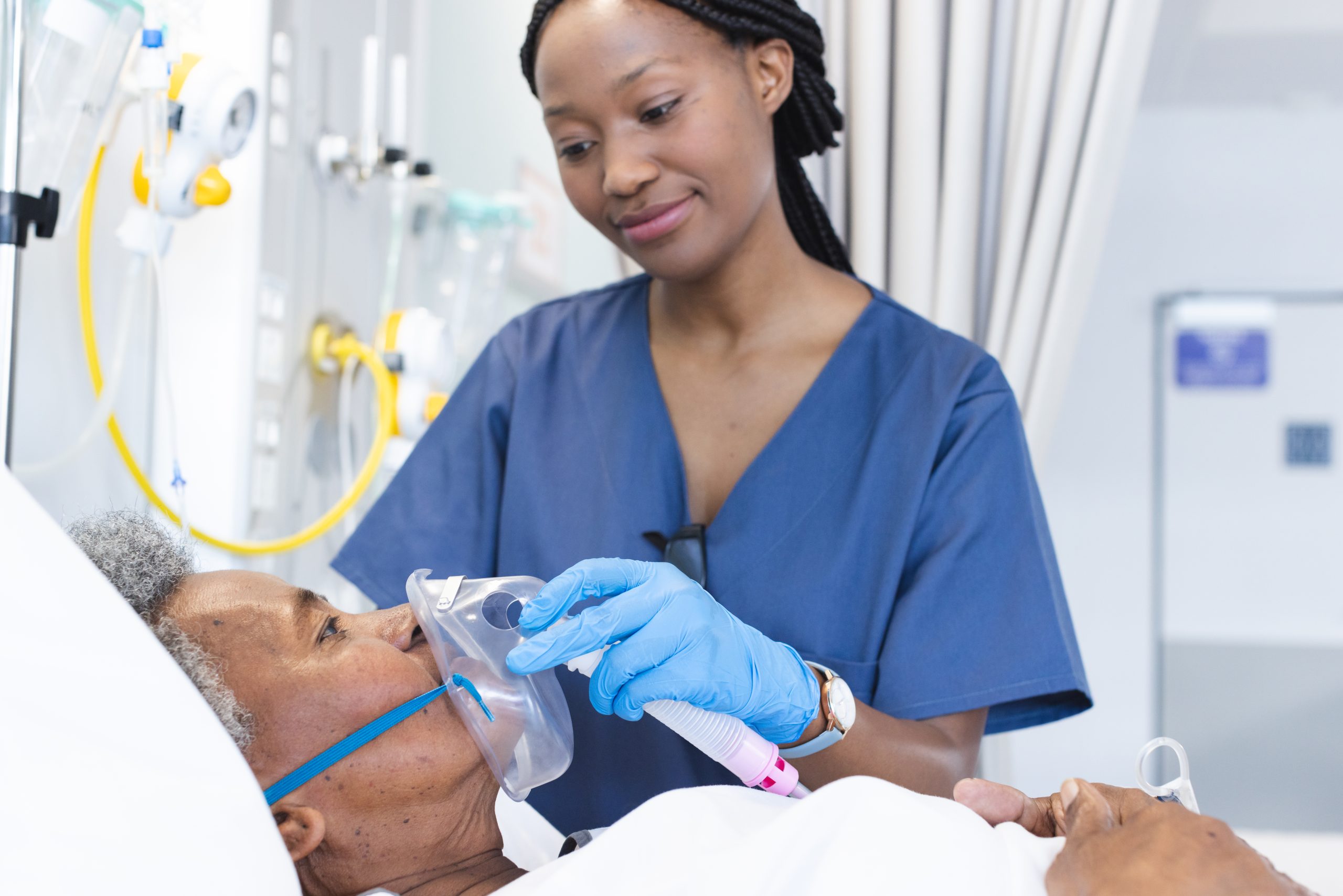
Treatment of anoxic anoxia focuses on restoring oxygen to the body as quickly as possible and preventing secondary damage. Strategies include:
-
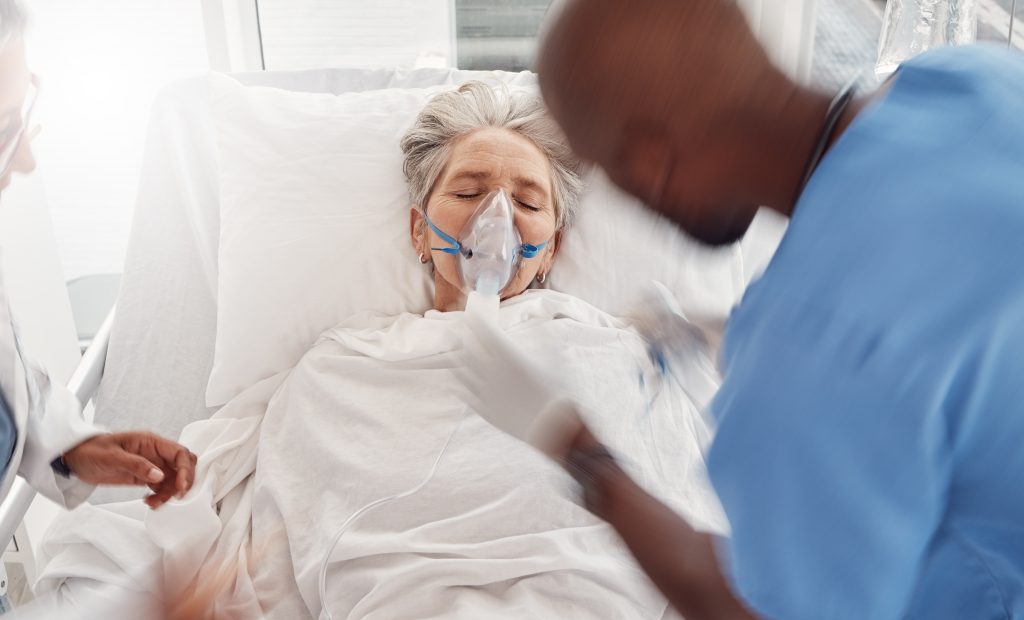
High-concentration oxygen therapy: administration of pure oxygen via masks or specialized delivery devices.
-
Mechanical ventilation: in cases where the patient is unable to breathe independently.
-
Cardiopulmonary resuscitation (CPR): in cases of cardiac or respiratory arrest.
-
Hyperbaric chamber: in some cases used to increase oxygen availability at the cellular level.
-
Temperature control (therapeutic hypothermia): to protect the brain from secondary ischemic damage.
-
Neuroprotective and supportive treatments: including controlled sedation and intensive neurological monitoring.
Follow-up care focuses on physical, cognitive, and emotional rehabilitation if sequelae occur after the event.
Prognosis
The prognosis of a person who has experienced anoxic anoxia depends on:
-
The duration of oxygen deprivation
-
The cause of the anoxic anoxia
-
The patient’s age and overall health
-
The effectiveness of medical intervention
In mild cases, recovery may be complete. However, when anoxic anoxia lasts more than 5 minutes without intervention, the risk of permanent brain damage or death increases exponentially.
Prevention
Preventing anoxic anoxia is possible in many cases, especially in occupational or domestic environments. Preventive measures include:
-
Adequate ventilation in enclosed spaces
-
Gas detectors in homes and workplaces
-
Use of protective equipment in industrial settings
-
Avoid using charcoal heaters or stoves without proper ventilation
-
Close supervision of elderly individuals or young children in bathrooms and swimming pools
-
Training in first aid and basic resuscitation
These measures can save lives by reducing the likelihood of exposure to situations of anoxic anoxia.
Conclusion
Anoxic anoxia is a critical form of oxygen deprivation that occurs when the air lacks sufficient oxygen to sustain life. Recognizing its causes, symptoms, and consequences can make a crucial difference in an emergency. The sooner action is taken, the greater the chances of recovery.
Understanding what anoxic anoxia is is not just a medical concept; it is a vital tool for acting quickly, protecting life, and reducing long-term sequelae. Prevention, education, and timely medical intervention are essential to combat this silent but life-threatening condition.
If you would like more information about NeuroAiD II, please fill out this contact form.
"*" indicates required fields


