


Ischemic anoxia is a critical medical condition in which the supply of oxygen to the body’s tissues is interrupted due to inadequate blood flow. This form of anoxia is particularly dangerous because it can affect the brain within minutes, leading to irreversible injury or even death.
What is ischemic anoxia?
Ischemic anoxia occurs when oxygen-rich blood flow does not reach the organs and tissues, preventing cells from receiving the oxygen they need to survive. Unlike other types of anoxia, such as anoxic or toxic anoxia, in ischemic anoxia oxygen is present in the air and in the lungs, but it cannot reach the tissues due to impaired circulation.
The most severe form of this condition is cerebral ischemic anoxia, which occurs when blood flow to the brain stops or is abruptly reduced. This can cause irreversible neurological damage in a short period of time.
What causes ischemic anoxia?
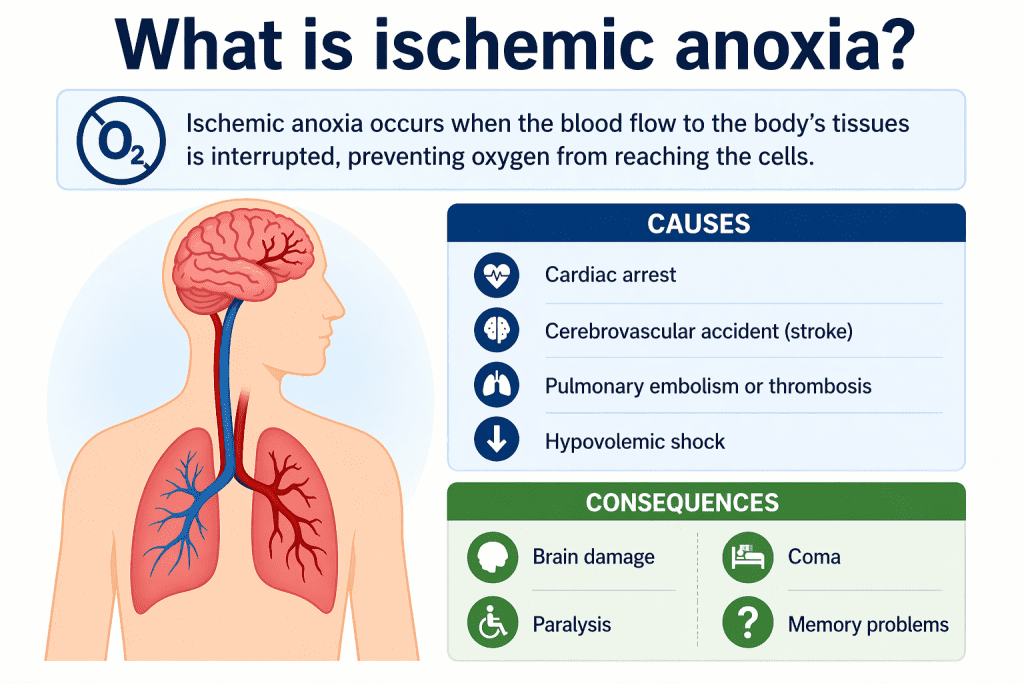
The causes of ischemic anoxia are usually related to cardiovascular disorders or events that compromise blood circulation. The most common include:
-
Cardiac arrest: the sudden cessation of heart function prevents oxygenated blood from reaching the brain and other organs.
-
Ischemic stroke: a clot obstructs a cerebral artery, depriving part of the brain of oxygen.
-
Massive pulmonary thrombosis or embolism: interrupts circulation between the lungs and the rest of the body.
-
Hypovolemic shock: massive blood loss that reduces blood pressure and blood flow.
-
Asphyxia or strangulation: although oxygen is present, its distribution throughout the body is impaired.
-
Complicated surgeries or severe trauma: situations that may cause abrupt interruptions in blood flow.
Each of these situations can trigger rapidly progressing ischemic anoxia, making early recognition and urgent intervention essential.
How does ischemic anoxia affect the brain?
Cerebral ischemic anoxia is one of the most severe forms of this condition. The brain represents only 2% of body weight but consumes around 20% of the body’s available oxygen, making it अत्यremely vulnerable to oxygen deprivation.
When the brain does not receive oxygen due to ischemic anoxia:
-
Within the first 30 seconds, loss of consciousness occurs.
-
At 1–2 minutes, neuronal damage begins.
-
At 3–5 minutes, the damage becomes potentially irreversible.
-
At 10 minutes, most brain cells are compromised.
The consequences may include:
-
Prolonged coma
-
Persistent vegetative state
-
Cerebral paralysis
-
Aphasia or loss of language
-
Secondary epilepsy
-
Severe motor or cognitive disorders
Symptoms of ischemic anoxia
Symptoms of ischemic anoxia depend on the area of the body affected, but in cases of cerebral involvement, signs include:
-
Sudden dizziness or fainting
-
Confusion, blurred vision, or loss of consciousness
-
Difficulty speaking or moving
-
Loss of muscle tone
-
Seizures
-
Respiratory arrest
These symptoms typically appear abruptly and constitute a medical emergency.
Diagnosis of ischemic anoxia
The diagnosis of ischemic anoxia requires a combination of clinical assessment and imaging studies. The medical team may use:
-
Arterial blood gas analysis: to assess oxygen levels in the blood.
-
Computed tomography (CT scan): useful for detecting brain lesions.
-
Magnetic resonance imaging (MRI): allows detailed visualization of brain areas affected by oxygen deprivation.
-
Electroencephalogram (EEG): evaluates brain electrical activity.
-
Cerebral angiography: in cases of suspected arterial occlusion.
Time is a critical factor in the diagnosis and management of ischemic anoxia, so these tests are performed on an urgent basis.
Treatment of ischemic anoxia
Treatment of ischemic anoxia focuses on restoring blood flow as quickly as possible and minimizing secondary damage. Strategies include:
-
Cardiopulmonary resuscitation (CPR): in cases of cardiac arrest, rapid intervention is crucial.
-
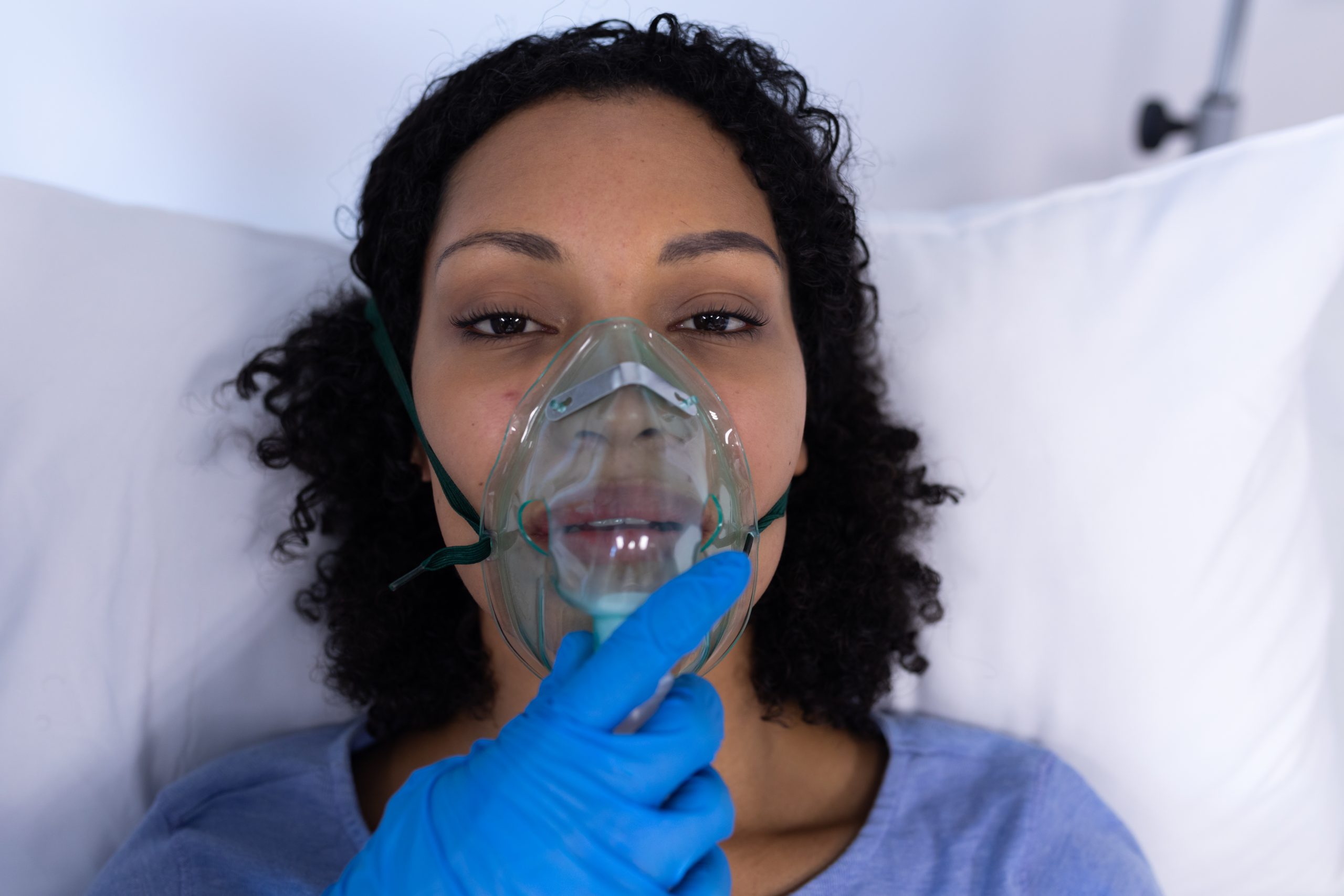
Intensive oxygen therapy: to increase blood oxygen saturation.
-
Mechanical ventilation: if the patient is unable to breathe independently.
-
Thrombolytic or anticoagulant medications: in cases of ischemic stroke.
-
Temperature control (induced hypothermia): may help protect the brain from additional damage.
-
Emergency surgery: if there is a need to restore patency in an obstructed artery.
-
Neuroprotection and intensive care support: management of cerebral edema, sedation, and continuous monitoring.
Subsequent treatment may include physiotherapy, occupational therapy, and cognitive rehabilitation for patients with sequelae.
Prognosis

The prognosis of ischemic anoxia varies widely depending on:
-
The duration without blood flow
-
The affected area of the body or brain
-
The patient’s age
-
The presence of pre-existing conditions
Some individuals recover completely if intervention is rapid. However, many may be left with permanent disabilities or require lifelong care. The earlier ischemic anoxia is identified and treated, the better the long-term prognosis.
Prevention
Although it is not always possible to prevent an ischemic anoxia event, certain measures can reduce the risk:
-
Control of hypertension and cholesterol
-
Appropriate management of arrhythmias and heart disease
-
Avoid smoking
-
Recognize the signs of a stroke or cardiac arrest and act rapidly
-
Use safety devices in high-risk activities
Prevention is key, especially in individuals with a history of cardiovascular disease.
Conclusion
Ischemic anoxia is a serious medical emergency that occurs when the flow of oxygenated blood is interrupted, preventing the body’s tissues, especially the brain, from receiving the oxygen they need. Understanding its causes, symptoms, and treatments can be vital to saving a life.
Early identification of ischemic anoxia and rapid intervention are essential to reduce damage. Education, prevention, and immediate medical care are the most effective strategies against this dangerous condition.
If you would like more information about NeuroAiD II, please fill out this contact form.
"*" indicates required fields


