



Anterior cerebral artery infarction is a less common type of ischemic stroke than other cerebrovascular events, but it can cause significant impairments in movement, behavior, and cognitive function. Although it accounts for a relatively small proportion of all strokes, early diagnosis is essential to initiate treatment as soon as possible and improve prognosis.
The anatomical location and vascular territory of this artery result in symptoms that differ from those seen in other types of cerebral infarction. Understanding these characteristics can help facilitate prompt medical evaluation and treatment.
What is an anterior cerebral artery infarction?

The anterior cerebral artery (ACA) is one of the major branches of the internal carotid artery. It supplies blood to the medial portions of the frontal and parietal lobes, regions involved in lower-limb motor control, planning, decision-making, and certain aspects of behavior.
When this artery becomes occluded by a blood clot, the affected brain tissue is deprived of oxygen and nutrients, resulting in an anterior cerebral artery infarction. The interruption of blood flow causes the death of affected neurons and the onset of neurological symptoms that vary depending on the extent of the lesion.
What are the causes?
The causes are similar to those of other ischemic strokes and may include:
- Atherosclerosis of the cerebral arteries.
- Cardioembolic events.
- Atrial fibrillation.
- Arterial dissection.
- Blood clotting disorders.
- Hypertension.
- Diabetes mellitus.
- High cholesterol.
- Tobacco use.
- Inflammatory diseases affecting the blood vessels.
In some patients, no specific cause can be identified even after a comprehensive diagnostic evaluation.
Symptoms of anterior cerebral artery infarction
Symptoms depend on the affected hemisphere and the size of the infarction, although certain clinical manifestations are particularly characteristic.
The most common include:
- Weakness predominantly affecting the leg contralateral to the lesion.
- Loss of sensation in the lower limb.
- Difficulty walking.
- Balance impairment.
- Personality changes.
- Reduced initiative or apathy.
- Difficulty concentrating.
- Urinary incontinence.
- Speech difficulties when the dominant hemisphere is affected.
- Cognitive impairment.
Unlike middle cerebral artery infarction, involvement of the arm and face is usually less pronounced.
How is it diagnosed?
If a stroke is suspected, immediate evaluation in an emergency department is essential.
The most commonly used diagnostic tests include:
- Computed tomography (CT).
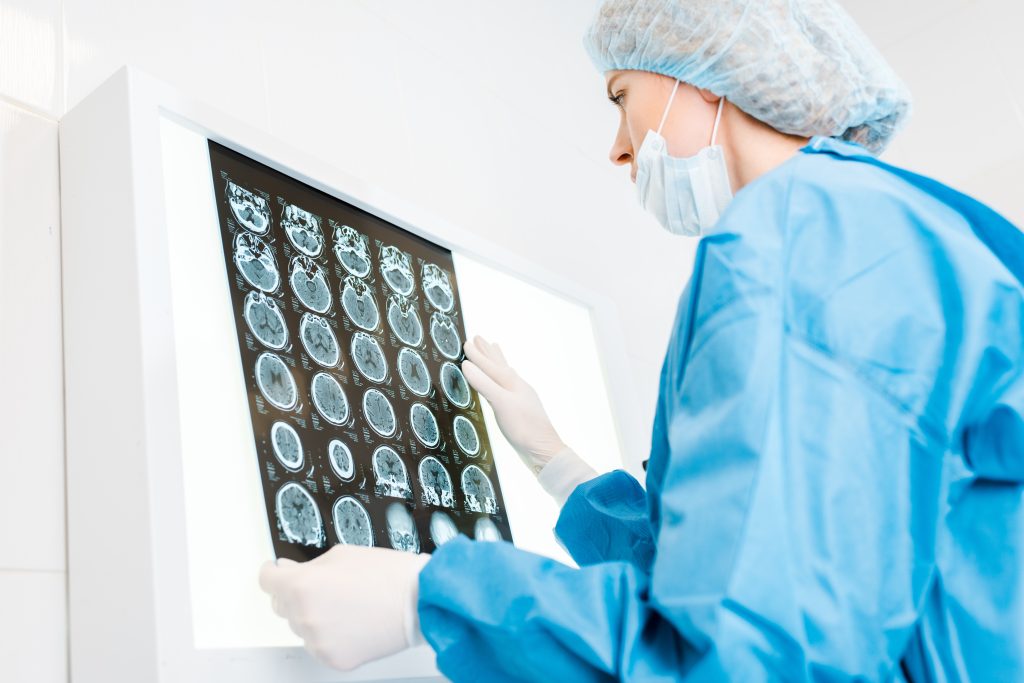
- Brain magnetic resonance imaging (MRI).
- CT angiography (CTA) or MR angiography (MRA).
- Carotid Doppler ultrasound.
- Electrocardiogram (ECG).
- Echocardiogram.
- Blood tests.
These examinations help identify the affected artery, determine the underlying cause of the infarction, and guide the selection of the most appropriate treatment.
Treatment
Treatment should be initiated as soon as possible to minimize brain damage.
Depending on the time since symptom onset and the patient’s clinical characteristics, treatment options may include:
- Intravenous thrombolysis.
- Mechanical thrombectomy in selected cases.
- Blood pressure management.
- Management of blood glucose and other metabolic parameters.
- Antiplatelet or anticoagulant therapy when indicated.
- Admission to a specialized stroke unit.
Rapid intervention remains one of the most important factors influencing clinical outcomes.
Rehabilitation
After the acute phase, a recovery process begins, tailored to each patient’s individual needs.
Rehabilitation may include:
- Physical therapy to improve strength and walking ability.
- Occupational therapy to promote independence.
- Speech and language therapy when language impairments are present.
- Neuropsychological rehabilitation to improve attention, memory, and executive functions.
- Psychological support for the patient and their family members.
In many cases, early rehabilitation can help restore some of the functions lost as a result of the stroke.
Prognosis
Prognosis depends on several factors, including:
- How quickly treatment is initiated.
- The extent of the infarction.
- The patient’s age.
- Associated medical conditions.
- Response to the rehabilitation program.
Many patients experience significant improvement during the first few months, although recovery may continue over a longer period.
Conclusion
Anterior cerebral artery infarction is an uncommon type of stroke that can significantly affect lower-limb mobility, cognitive function, and behavior. Recognizing its symptoms, obtaining an early diagnosis, and initiating treatment promptly are essential for limiting brain damage. Subsequently, an individualized rehabilitation program plays a key role in helping patients regain the greatest possible level of independence and improve their quality of life.
If you would like information about NeuroAiD II, please complete this contact form
"*" indicates required fields


