
Middle cerebral artery infarction is the most common type of ischemic stroke. It occurs when this major artery becomes blocked, interrupting blood flow to a large region of the brain. Depending on the extent of the infarction and how quickly treatment is initiated, the consequences can range from mild symptoms to significant disability.
Recognizing the warning signs and receiving immediate medical attention are essential to reduce brain damage and improve the chances of recovery.
What is a middle cerebral artery infarction?
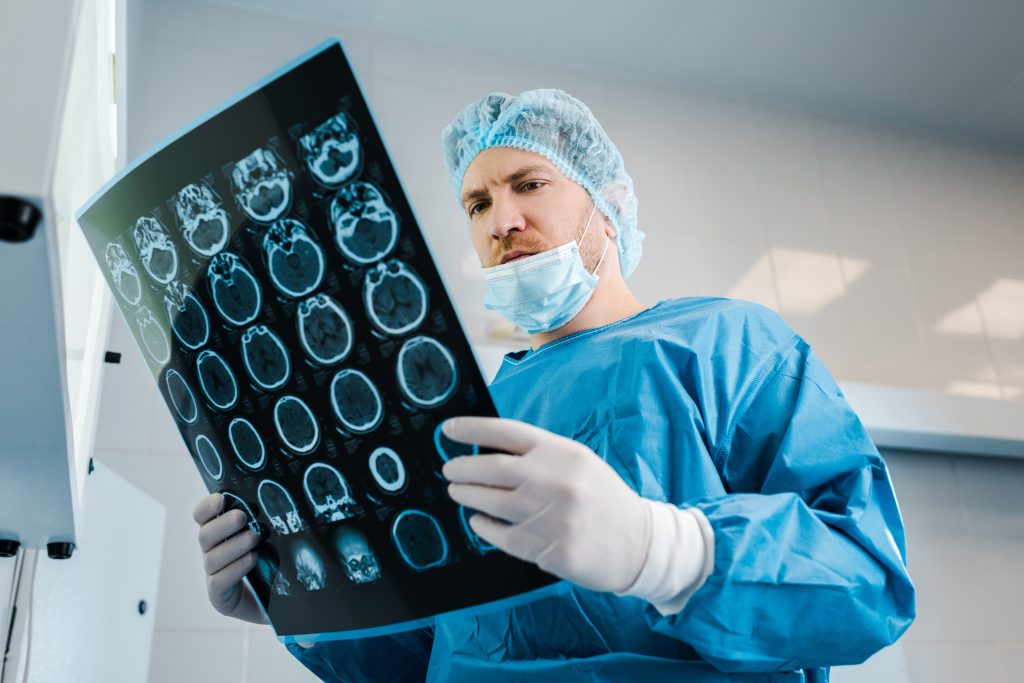
The middle cerebral artery (MCA) is one of the major arteries supplying the brain. It arises from the internal carotid artery and supplies blood to large portions of the frontal, temporal, and parietal lobes, as well as deep structures such as the internal capsule and basal ganglia.
When a blood clot blocks this artery, brain cells are deprived of oxygen and nutrients. Within minutes, neuronal damage begins, resulting in a middle cerebral artery infarction.
Because the middle cerebral artery supplies a large portion of the cerebral hemisphere, its occlusion often produces prominent neurological symptoms.
What are the causes?
The most common causes include:
- Thrombosis due to atherosclerosis.
- Embolism originating from the heart.
- Atrial fibrillation.
- Carotid artery disease.
- Blood clotting disorders.
- Arterial dissection, particularly in younger people.
- High blood pressure.
- Diabetes mellitus.
- High cholesterol.
- Smoking.
Cardioembolic stroke is one of the most common causes of middle cerebral artery occlusion.
Symptoms of middle cerebral artery infarction
Symptoms have a sudden onset and depend on which cerebral hemisphere is affected.
The most common include:
- Weakness or paralysis of the face, arm, and leg on the same side of the body.
- Loss of sensation.
- Difficulty speaking or understanding language (if the dominant hemisphere is affected).
- Language disturbances.
- Gaze deviation.
- Partial loss of the visual field.
- Difficulty coordinating movements.
- Confusion.
- Altered level of consciousness in extensive infarctions.
When the right hemisphere is affected, spatial attention deficits or neglect of the left side of the body may occur.
How is it diagnosed?
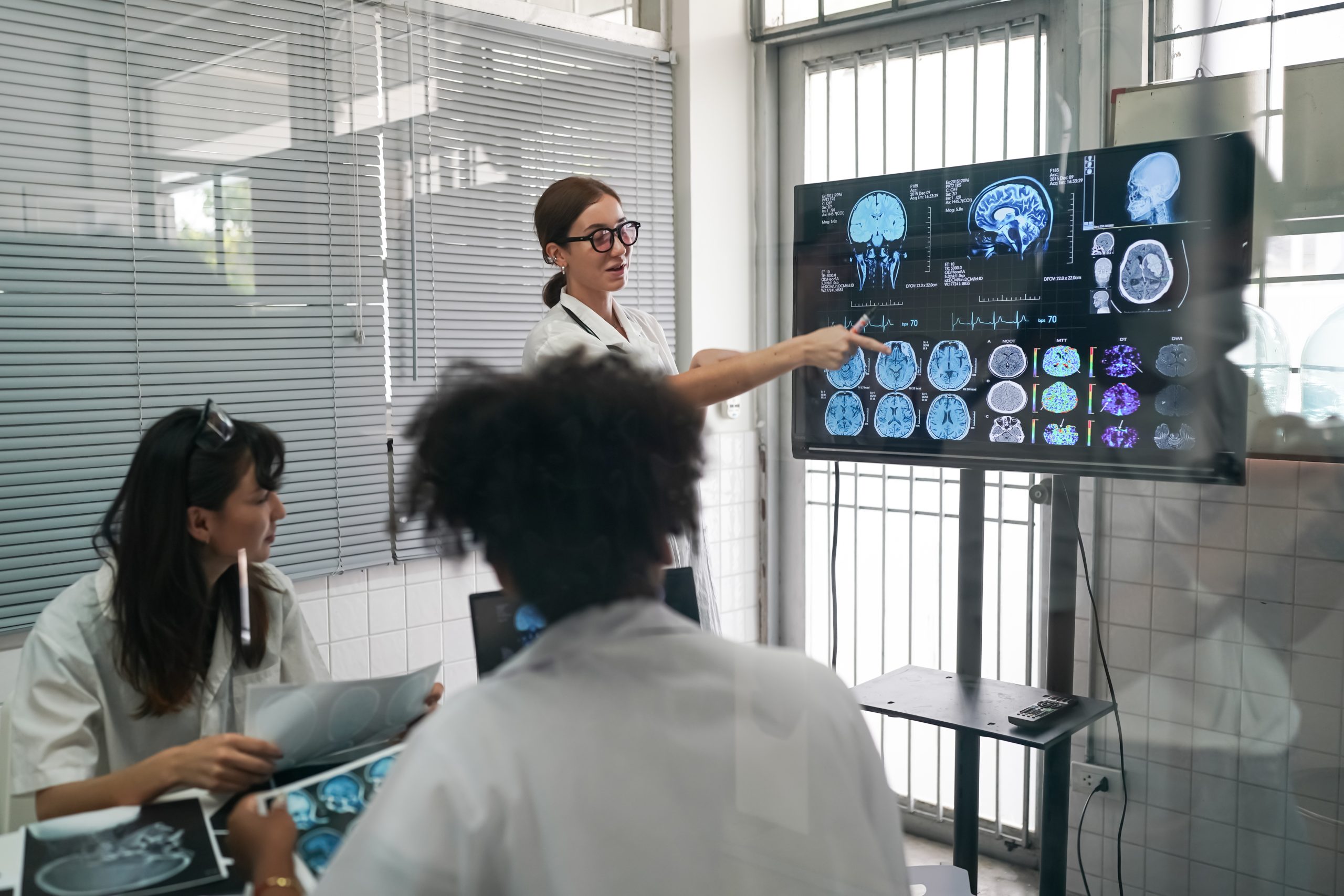
When a stroke is suspected, diagnosis must be performed urgently.
The most commonly used tests include:
- Computed tomography (CT).
- Brain magnetic resonance imaging (MRI).
- CT angiography or MR angiography.
- Carotid Doppler ultrasound.
- Electrocardiogram (ECG).
- Echocardiogram.
- Blood tests.
These tests help confirm the diagnosis, identify the occluded artery, and determine the most appropriate treatment.
Treatment
The goal of treatment is to restore blood flow as quickly as possible to limit brain damage.
Depending on the individual case, treatment may include:
- Intravenous thrombolysis.
- Mechanical thrombectomy.
- Blood pressure and blood glucose management.
- Antiplatelet or anticoagulant therapy when indicated.
- Care in a specialized stroke unit.
The shorter the time between symptom onset and treatment, the greater the chances of recovery.
Rehabilitation
Once the acute phase has passed, the rehabilitation process begins and may continue for weeks or months.
Rehabilitation typically includes:
- Physiotherapy to restore strength and mobility.
- Occupational therapy to improve independence.
- Speech and language therapy to address speech and swallowing difficulties.
- Cognitive rehabilitation when memory or attention problems are present.
- Psychological support for the patient and their family.
The intensity and duration of rehabilitation will depend on the severity of the infarction and the resulting impairments.
Potential long-term effects
The long-term effects may be temporary or permanent and may include:
- Hemiparesis or hemiplegia.
- Difficulty walking.
- Language disorders.
- Memory and concentration problems.
- Visual disturbances.
- Spasticity.
- Difficulty performing activities of daily living.
Not all patients experience the same limitations, as recovery depends on multiple factors.
Conclusion
Middle cerebral artery infarction is the most common type of ischemic stroke and can significantly affect movement, language, sensation, and other brain functions. Early recognition of symptoms, urgent treatment, and an individualized rehabilitation program are essential factors in improving prognosis and promoting the patient’s functional recovery.
If you would like information about NeuroAiD II, please complete this contact form
"*" indicates required fields


