


Vertebral artery dissection is a vascular disorder that can cause a stroke when blood flow to certain regions of the brain is disrupted. Although it is not among the most common causes of stroke, it is particularly significant because it can affect young and middle-aged adults, even in the absence of major cardiovascular disease.
Early recognition of its symptoms is essential, as prompt treatment can reduce the risk of serious complications.
What is a vertebral artery dissection?
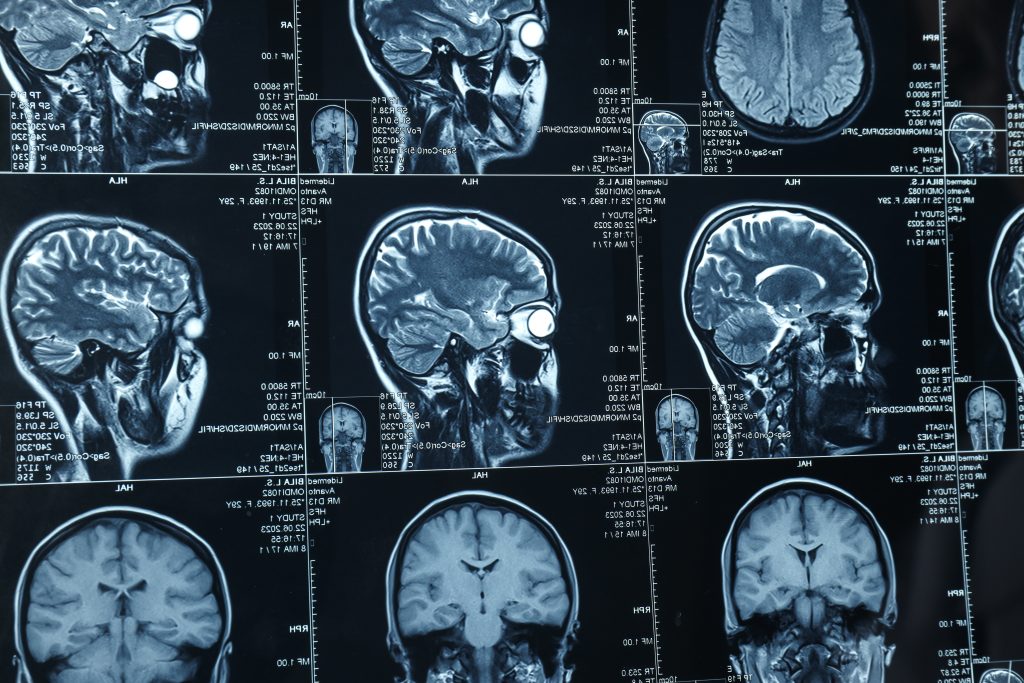
The vertebral arteries are two blood vessels that run along the posterior aspect of the neck and join to form the basilar artery. Their function is to supply blood to the cerebellum, brainstem, and other essential structures of the brain.
A dissection occurs when a tear develops in the inner layer of the artery. Blood enters between the layers of the arterial wall, forming an intramural hematoma that can narrow the vessel or promote the formation of a blood clot.
As a result, blood flow to the brain may be reduced or blocked, increasing the risk of stroke.
What causes a vertebral artery dissection?
In many cases, no clearly identifiable cause is found, although vertebral artery dissection may occur following trauma or sudden neck movement.
Potential causes and associated factors include:
- Motor vehicle accidents.
- Trauma to the head or neck.
- Sudden cervical movements.
- Neck manipulation.
- Contact sports.
- Connective tissue disorders.
- Hypertension.
Most individuals do not have significant risk factors before developing this condition.
Most common symptoms
Symptoms may appear suddenly or develop over several hours.
The most common symptoms include:
Severe neck pain
It is one of the most characteristic symptoms and is typically located in the back of the neck or near the base of the skull.
Headache
Many patients describe a severe headache that differs from any headache they have experienced previously.
Dizziness and vertigo
Reduced blood flow may cause:
- A spinning sensation.
- Loss of balance.
- Unsteadiness while walking.
Visual disturbances
Other symptoms may include:
- Double vision.
- Blurred vision.
- Temporary vision loss.
Neurological symptoms
If the dissection causes a stroke, the following symptoms may occur:
- Weakness on one side of the body.
- Difficulty speaking.
- Difficulty swallowing.
- Impaired coordination.
- Numbness in a limb.
If any of these symptoms occur, immediate evaluation in an emergency department is essential.
How is it diagnosed?
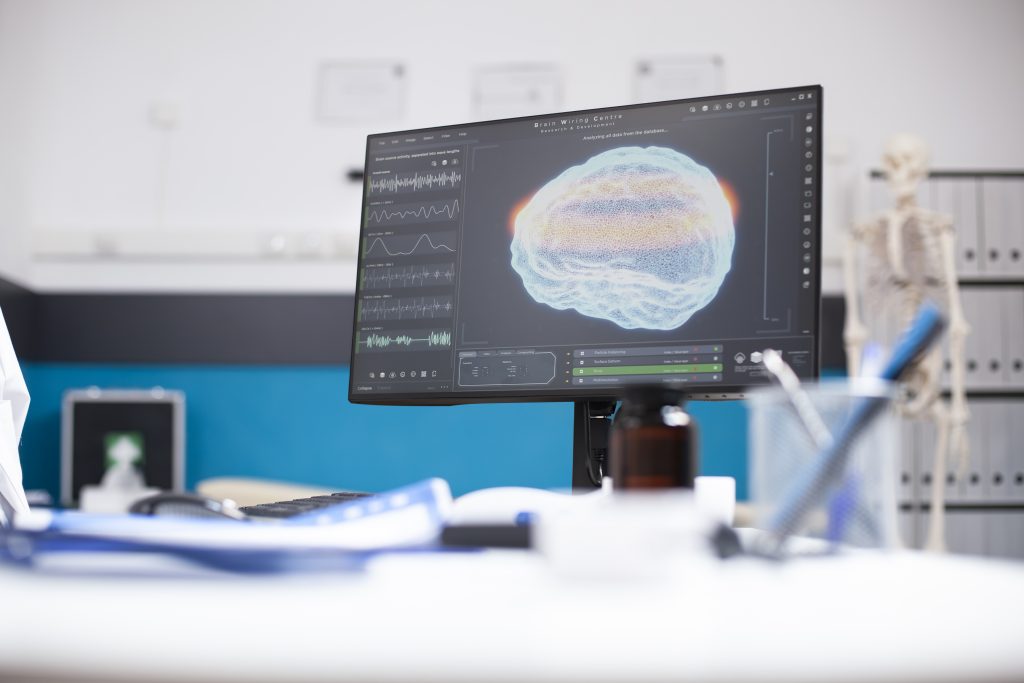
Diagnosis is based on clinical examination and imaging studies that allow visualization of the arteries in the neck and brain.
The most commonly used tests include:
- CT angiography (CTA).
- Magnetic resonance angiography (MRA).
- Brain magnetic resonance imaging (MRI).
- Doppler ultrasound of the cervical arteries.
- Cerebral angiography in selected cases.
These tests can confirm the presence of the dissection and assess whether blood flow is compromised.
Treatment
Treatment depends on the severity of the condition and whether a stroke has occurred.
It may include:
- Medication to reduce the risk of further blood clot formation.
- Strict blood pressure management.
- Hospital admission for monitoring.
- Specific stroke treatment when indicated.
- Endovascular procedures in selected cases.
The goal is to prevent further complications and preserve cerebral blood flow.
Recovery
The clinical course is often favorable in many patients when the condition is diagnosed early.
In cases where a stroke has occurred, recovery depends on factors such as:
- The extent of the injury.
- How quickly treatment is initiated.
- Age.
- Overall health status.
- The rehabilitation provided.
Many patients regain a significant degree of functional ability during the following months.
Can it happen again?
Recurrence is uncommon, although the risk may be higher in individuals with certain connective tissue disorders or vascular abnormalities.
Therefore, neurological follow-up is important to monitor clinical progress and adjust treatment when necessary.
Can it be prevented?
It is not always possible to prevent vertebral artery dissection, but certain measures may help reduce the risk:
- Managing high blood pressure.
- Avoiding neck trauma.
- Using seat belts correctly.
- Following prescribed treatment for cardiovascular conditions.
- Seeking medical attention for sudden, severe neck pain accompanied by neurological symptoms.
Conclusion
Vertebral artery dissection is an uncommon but potentially serious cause of stroke. Recognizing symptoms such as severe neck pain, vertigo, or muscle weakness can facilitate earlier diagnosis and improve prognosis. Prompt treatment and appropriate follow-up are essential to reduce the risk of complications and promote recovery.
If you would like information about NeuroAiD II, please complete this contact form
"*" indicates required fields


