


Basilar artery thrombosis is one of the most severe types of stroke due to the critical role this artery plays in supplying blood to the brain. Although it is relatively uncommon compared with other types of stroke, it requires urgent diagnosis and treatment, as it can compromise vital functions such as breathing, level of consciousness, and movement.
What is basilar artery thrombosis?

Basilar artery thrombosis occurs when a blood clot obstructs the basilar artery, preventing blood flow to critical structures of the brain.
The basilar artery is formed by the union of the two vertebral arteries and supplies blood to the:
- Brainstem.
- Cerebellum.
- Thalamus.
- Occipital lobes.
- Posterior regions of the brain.
Because it is an artery that supplies blood to areas essential for vital functions, its obstruction can cause a severe stroke.
What are the causes?
Thrombosis can occur for several reasons, including:
- Atherosclerosis of the basilar artery.
- Formation of a thrombus over a cholesterol plaque.
- Arterial diseases.
- Blood clotting disorders.
- Emboli originating from the heart or other arteries.
- Vertebral artery dissection.
The most common risk factors include:
- High blood pressure.
- Diabetes.
- High cholesterol.
- Smoking.
- Atrial fibrillation.
- Advanced age.
- Physical inactivity.
Symptoms of basilar artery thrombosis
Symptoms may appear suddenly or develop progressively over several hours.
The most common symptoms include:
Severe dizziness and loss of balance
Many patients experience severe vertigo accompanied by difficulty standing or walking.
Double vision or visual disturbances
It is common to experience:
- Blurred vision.
- Double vision (diplopia).
- Partial loss of the visual field.
Difficulty speaking or swallowing
Brainstem involvement may cause:
- Dysarthria.
- Difficulty swallowing.
- A weak or altered voice.
Weakness in the limbs
Weakness may occur on one or both sides of the body, and in the most severe cases, complete paralysis may develop.
Altered level of consciousness
When the obstruction is extensive, the patient may experience:
- Drowsiness.
- Confusion.
- Reduced level of consciousness.
- Coma.
Why is it a medical emergency?
The basilar artery supplies blood to regions that control vital functions such as breathing, heart rate, and alertness.
For this reason, thrombosis of this artery can become life-threatening within a very short period of time if blood flow is not urgently restored.
If symptoms suggestive of a stroke occur, it is essential to seek emergency medical care immediately.
How is it diagnosed?
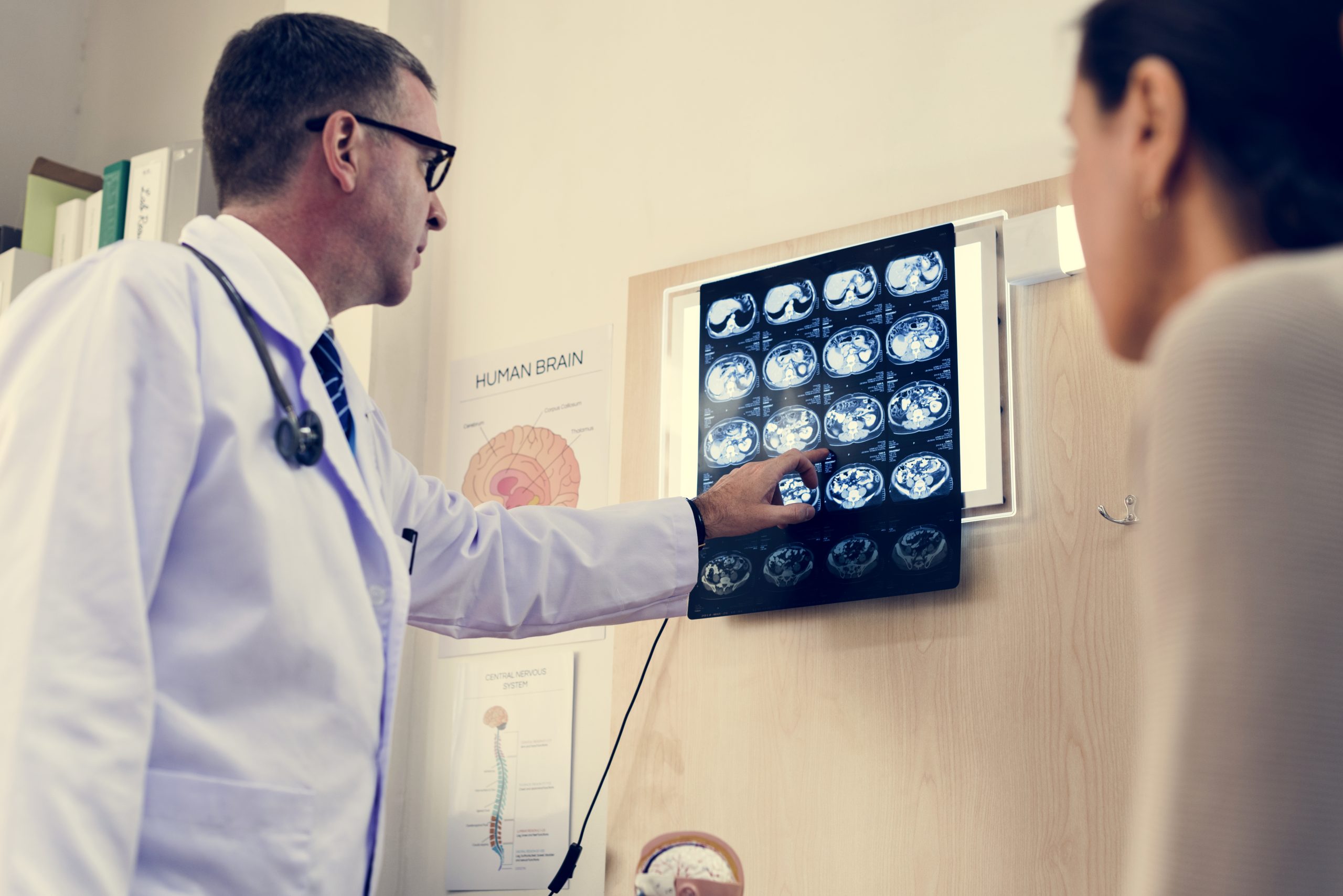
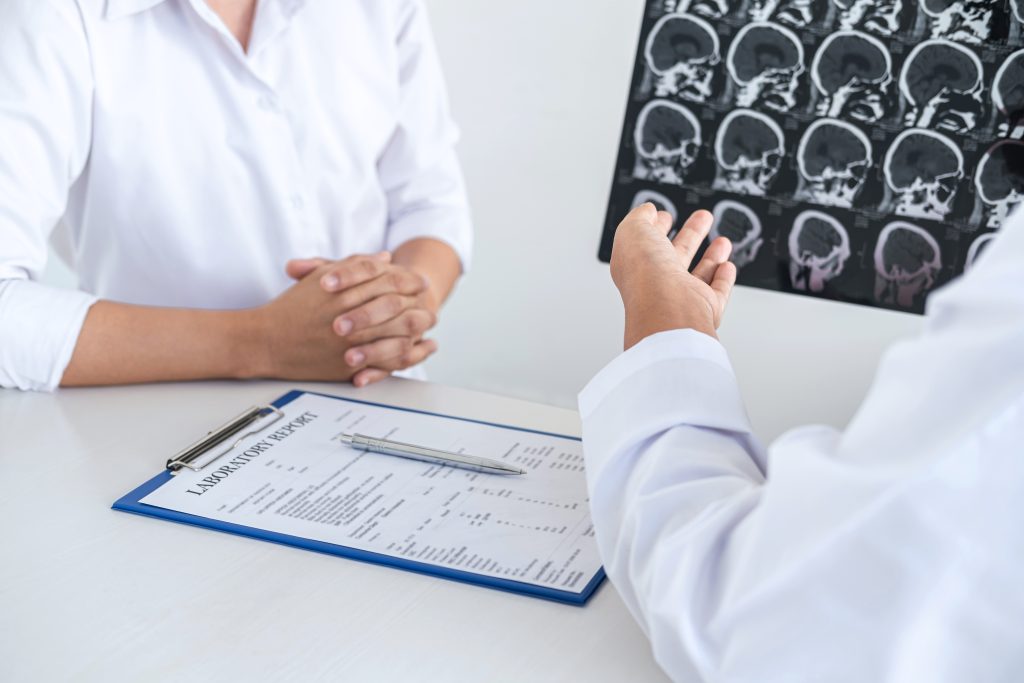
Diagnosis combines clinical assessment with imaging studies.
The most commonly used tests include:
- Computed tomography (CT).
- CT angiography (CTA).
- Brain magnetic resonance imaging (MRI).
- Magnetic resonance angiography (MRA).
- Vascular imaging studies.
These tests help identify the location of the obstruction and assess the extent of brain damage.
Treatment
Treatment should be initiated as soon as possible to restore blood flow.
Depending on the individual case, treatment may include:
- Intravenous thrombolysis in selected patients within the appropriate therapeutic window.
- Mechanical thrombectomy to remove the clot using endovascular techniques.
- Management of blood pressure and other clinical parameters.
- Treatment to prevent recurrent thrombosis.
- Intensive care when severe neurological impairment is present.
The choice of treatment will depend on the time elapsed since symptom onset and the assessment of the medical team.
Recovery and rehabilitation
Recovery varies considerably among patients.
Some patients have a favorable outcome when blood flow is restored rapidly, while others may develop significant neurological deficits.
Rehabilitation typically includes:
- Physical therapy.
- Occupational therapy.
- Speech and language therapy.
- Cognitive rehabilitation when necessary.
The goal is to restore as much independence as possible and improve quality of life.
Potential long-term effects
The long-term effects will depend on the area of the brain affected and how quickly the thrombosis was treated.
The most common include:
- Balance problems.
- Muscle weakness.
- Difficulty walking.
- Speech difficulties.
- Swallowing disorders.
- Visual disturbances.
- Cognitive deficits.
In the most severe cases, locked-in syndrome may occur, a rare condition in which the patient remains conscious but experiences almost complete paralysis of the body.
Conclusion
Basilar artery thrombosis is a neurological emergency that requires immediate medical attention. Rapid recognition and treatment can make a significant difference in prognosis. Recognizing symptoms such as severe vertigo, double vision, difficulty speaking, or muscle weakness can help accelerate diagnosis and improve the chances of recovery.
If you need information about NeuroAiD II, you can fill out this contact form
"*" indicates required fields


