


A deep lacunar infarction is a type of ischemic stroke that affects the small arteries supplying the deep structures of the brain. Although these lesions are usually small, they can cause significant symptoms depending on the brain region involved.
This type of infarction accounts for a significant proportion of ischemic strokes and is closely associated with risk factors such as high blood pressure and diabetes. Understanding its characteristics can help identify symptoms early and ensure that treatment is initiated as soon as possible.
What is a deep lacunar infarction?

A deep lacunar infarction occurs when one of the brain’s small penetrating arteries becomes blocked, interrupting the supply of oxygen and nutrients to a specific area of brain tissue.
These arteries supply deep brain structures such as:
- The internal capsule.
- The basal ganglia.
- The thalamus.
- The corona radiata.
- The brainstem.
Because these blood vessels are small in caliber, the resulting lesions are usually less than 15 millimeters in diameter, although their consequences can be significant depending on the function of the affected area.
What are the causes?
The most common cause is progressive damage to the small cerebral arteries, known as small vessel disease.
The main risk factors include:
- High blood pressure.
- Diabetes mellitus.
- High cholesterol.
- Smoking.
- Advanced age.
- Obesity.
- Physical inactivity.
Long-standing high blood pressure is the factor most commonly associated with the development of a lacunar infarction.
Symptoms of deep lacunar infarction
Symptoms usually have a sudden onset and depend on the location of the lesion.
The most common symptoms include:
Weakness on one side of the body
Sensory disturbances
Some people may experience:
- Tingling.
- Numbness.
- Reduced sensation.
- A feeling of decreased or altered sensation.
Difficulty speaking
When certain neural pathways are affected, dysarthria may occur, resulting in difficulty articulating words clearly.
Coordination problems
In some cases, patients may experience an unsteady or clumsy gait or difficulty performing precise movements.
Lacunar syndromes
Lacunar infarctions can present with different clinical syndromes, including:
- Pure motor syndrome.
- Pure sensory syndrome.
- Sensorimotor syndrome.
- Ataxic hemiparesis.
- Dysarthria–clumsy hand syndrome.
These clinical patterns can help neurologists guide the diagnosis.
How is it diagnosed?
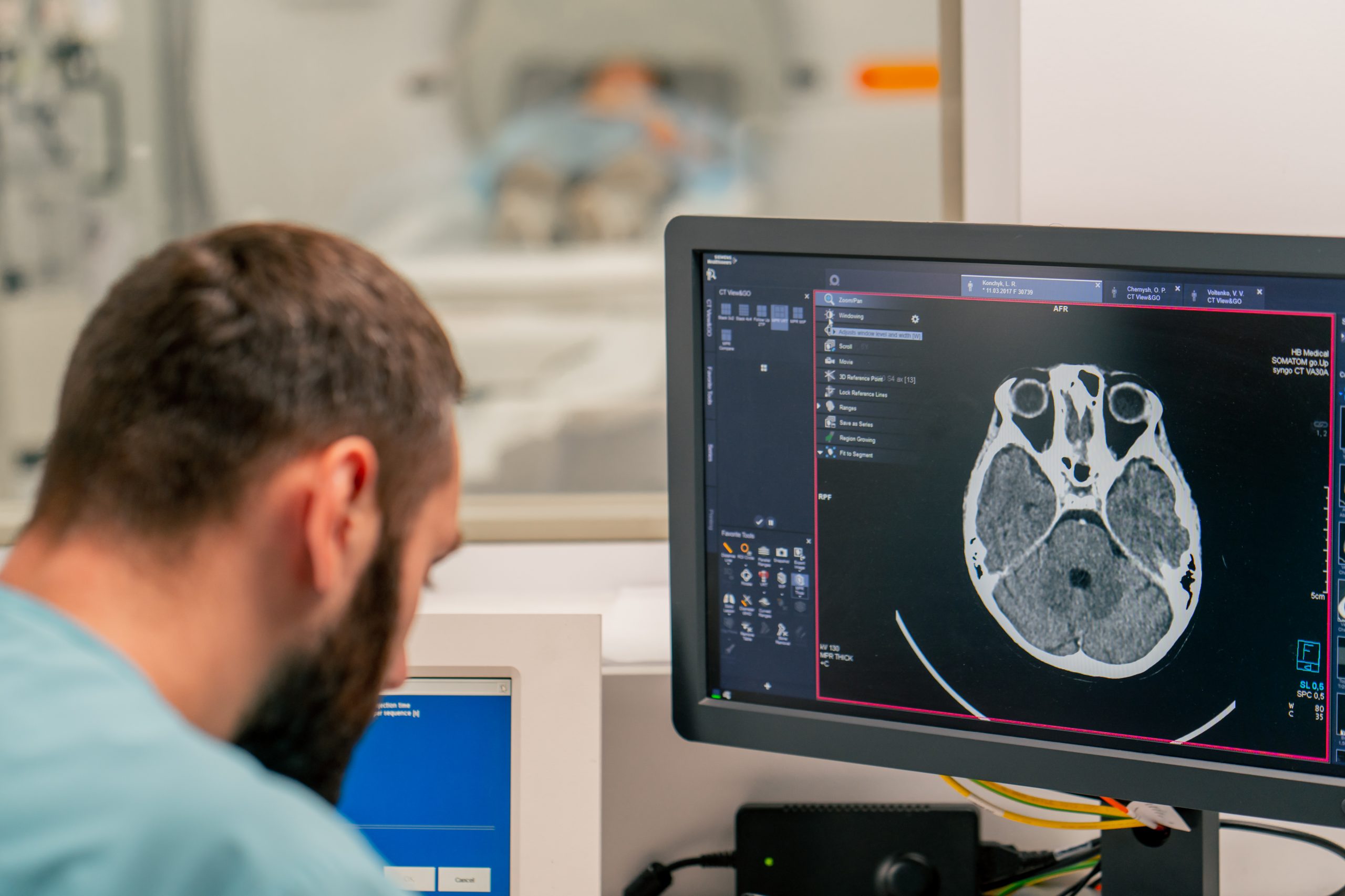
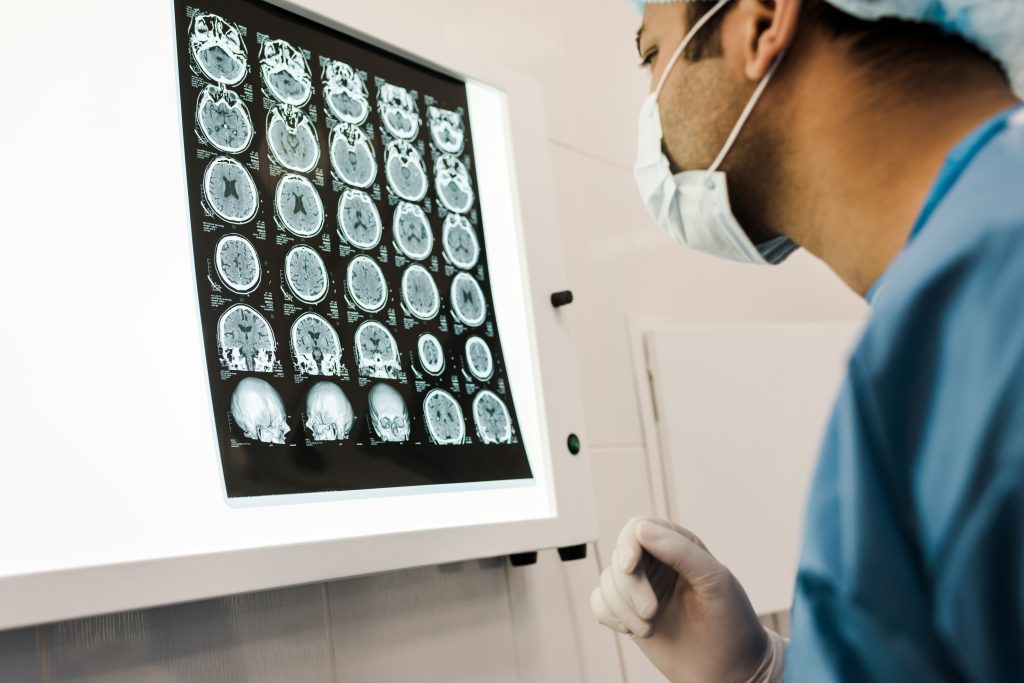
Diagnosis combines a neurological examination with imaging tests.
The most commonly used tests include:
- Computed tomography (CT) scan.
- Magnetic resonance imaging (MRI), which is particularly useful for detecting small lesions.
- Vascular imaging when indicated.
- Blood tests to identify risk factors.
In addition, the physician will assess the patient’s medical history, including conditions such as high blood pressure, diabetes, or cardiovascular disease.
Treatment of deep lacunar infarction
Treatment depends on how soon the patient arrives at the hospital and on the characteristics of the stroke.
Common measures include:
- Specific acute stroke treatment when indicated.
- Blood pressure management.
- Blood glucose management.
- Medication to help prevent recurrent cerebrovascular events.
- Management of cardiovascular risk factors.
Once the patient is medically stable, the rehabilitation phase begins.
Recovery and rehabilitation
Recovery varies from person to person. Many patients experience a favorable recovery, particularly when the infarction affects a small area and treatment is initiated promptly.
Rehabilitation may include:
- Physiotherapy to restore strength and mobility.
- Occupational therapy to improve independence in daily activities.
- Speech and language therapy if there are difficulties with speaking or swallowing.
- Cognitive rehabilitation when problems with attention or memory occur.
The intensity of the rehabilitation program will depend on the patient’s residual impairments.
What long-term effects can it cause?
Although some patients recover completely, others may experience long-term effects such as:
- Persistent weakness.
- Sensory disturbances.
- Balance problems.
- Slowness of movement.
- Fatigue.
- Difficulty performing fine motor movements.
Early rehabilitation may help reduce the functional impact of these long-term effects.
Can it be prevented?
Yes. Prevention is primarily based on controlling vascular risk factors.
The main recommendations include:
- Keeping blood pressure under control.
- Managing diabetes.
- Lowering cholesterol when necessary.
- Avoiding smoking.
- Engaging in regular physical activity.
- Maintaining a balanced diet.
- Attending regular medical check-ups.
Adopting these measures can significantly reduce the risk of having another stroke.
Conclusion
A deep lacunar infarction is a type of stroke that affects the small arteries of the brain and can cause motor, sensory, or speech impairments. Although the lesions are usually small, early diagnosis, appropriate treatment, and an individualized rehabilitation program are essential to promote recovery and reduce the risk of future cerebrovascular events.
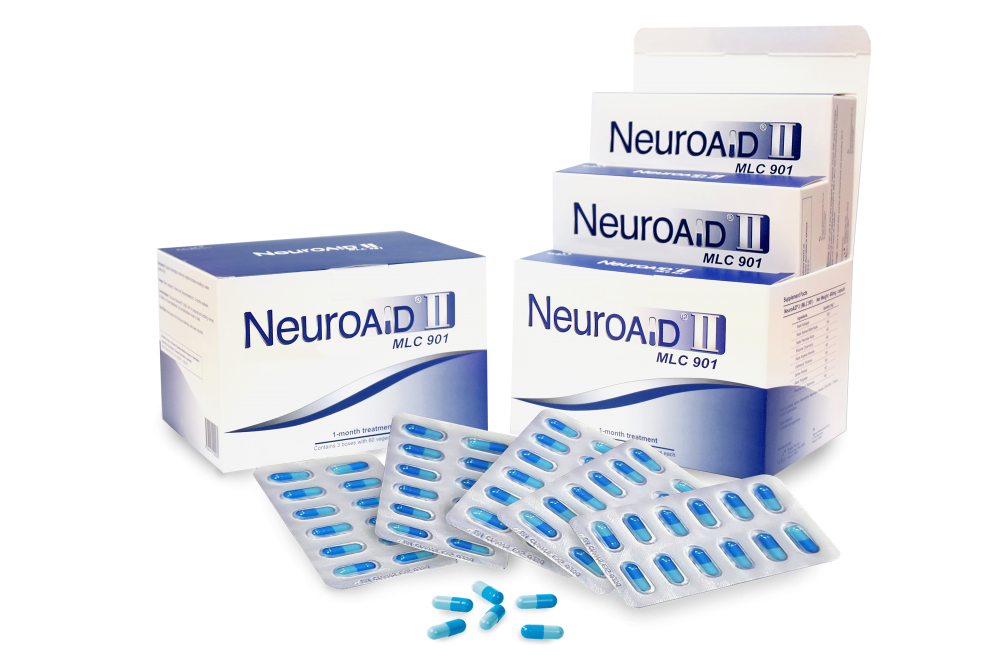
If you would like more information about NeuroAiD II, please complete this contact form.
"*" indicates required fields


