

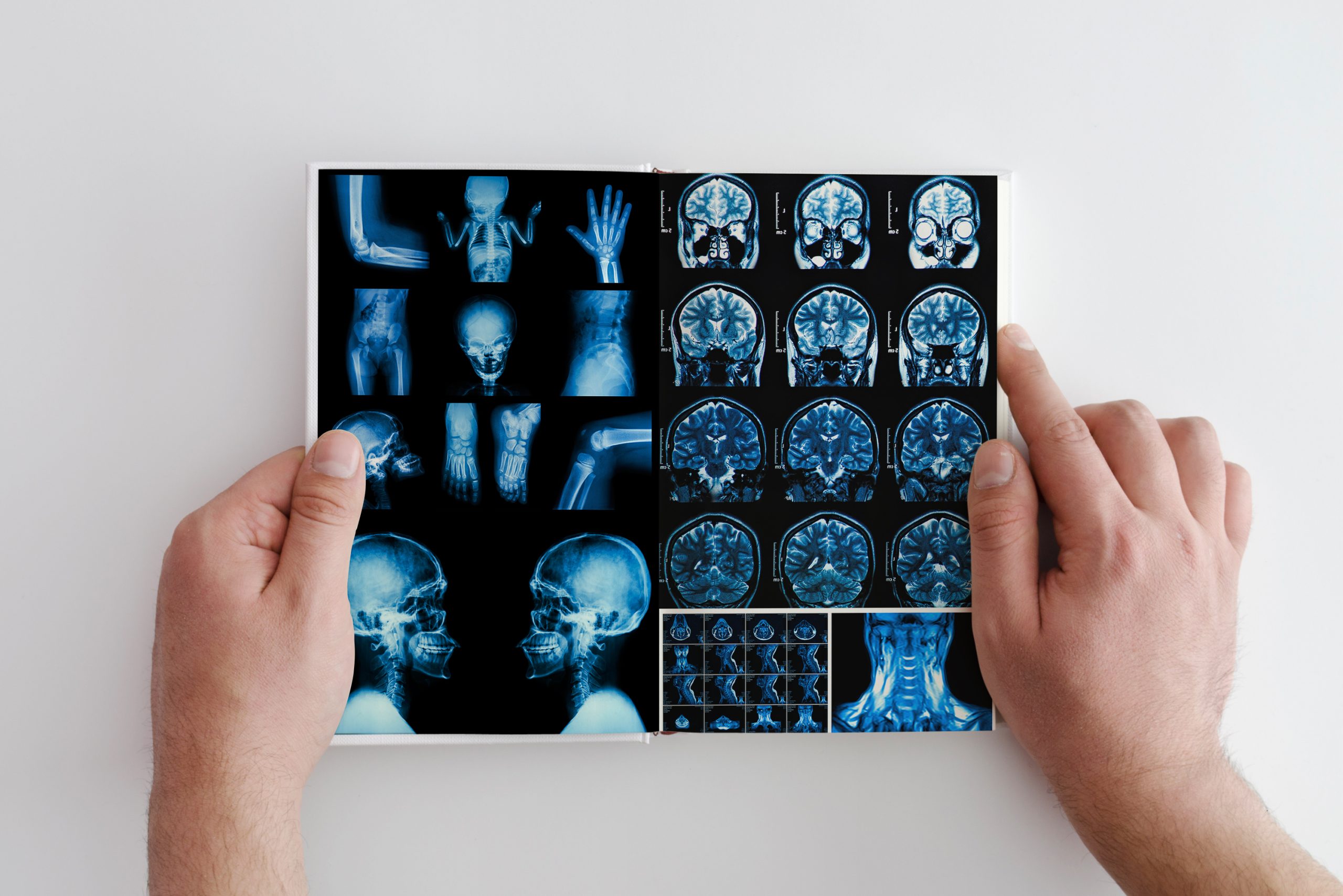

Internal capsule damage can cause significant neurological impairment due to the essential role this structure plays in transmitting information between the cerebral cortex, brainstem, and spinal cord. Although it occupies a small region of the brain, it contains numerous nerve fibers responsible for voluntary movement, sensation, and other essential functions.
What is the internal capsule?
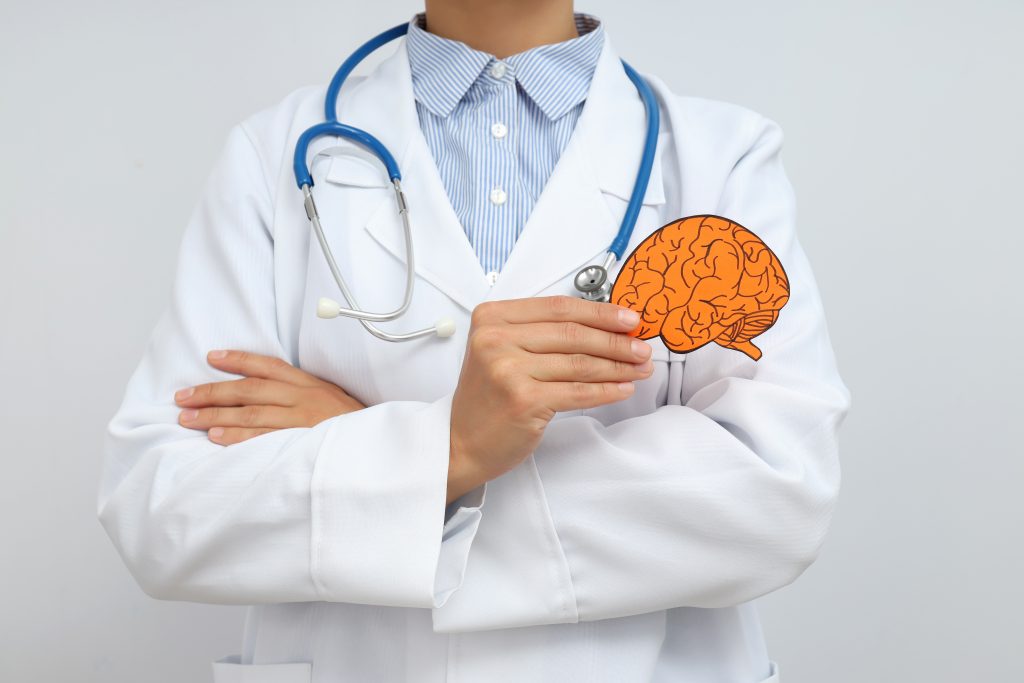
The internal capsule is a bundle of white matter fibers located deep within the brain, between the thalamus and the basal ganglia. It acts as a “highway” for nerve signals, allowing communication between the cerebral cortex and other structures of the nervous system.
The internal capsule contains pathways involved in:
- Voluntary movement.
- Somatic sensation.
- Control of facial muscles.
- Motor coordination.
- Transmission of some visual and auditory information.
Because it contains a high concentration of nerve fibers, even a small lesion can cause significant neurological deficits.
What causes internal capsule damage?
The main causes include:
- Ischemic stroke.
- Intracerebral hemorrhage.
- Lacunar infarction.
- Traumatic brain injury.
- Brain tumors.
- Multiple sclerosis.
- Inflammatory diseases of the nervous system.
Stroke is by far the most common cause of damage to this region.
Symptoms of internal capsule damage
Symptoms depend on the area affected and the extent of the damage, although they often have a sudden onset.
Weakness or paralysis
The most common manifestation is weakness on one side of the body (hemiparesis) or complete paralysis (hemiplegia), as the major motor pathways pass through this structure.
Sensory disturbances
Other symptoms may include:
- Tingling.
- Numbness.
- Reduced sensitivity to touch.
- Altered perception of pain and temperature.
Difficulty speaking
When the lesion affects certain nerve fibers, some people may develop dysarthria, resulting in difficulty articulating words clearly.
Coordination problems
Loss of movement precision and difficulty walking are also relatively common symptoms.
Spasticity
Over the following weeks or months, increased muscle tone may develop, causing stiffness and restricted movement.
How is it diagnosed?
Diagnosis is based on a neurological examination and imaging tests.
The most commonly used tests include:
- Magnetic resonance imaging (MRI).
- Computed tomography (CT) scan.
- Vascular imaging when a stroke is suspected.
These tests help determine the location of the lesion and identify its underlying cause.
Treatment
Treatment depends on the underlying cause of the damage.
For example:
- In ischemic stroke, the initial goal is to restore blood flow whenever possible.
- In intracerebral hemorrhage, treatment focuses on controlling the bleeding and preventing complications.
- In inflammatory or demyelinating diseases, specific treatments may be required.
After the acute phase, rehabilitation plays a fundamental role.
Recovery and rehabilitation
Recovery can vary considerably. Some people regain much of the function they have lost, while others may experience permanent neurological deficits.
Rehabilitation programs typically include:
- Physiotherapy.
- Occupational therapy.
- Speech and language therapy when speech or swallowing is affected.
- Cognitive rehabilitation if problems with attention or memory occur.
The intensity of rehabilitation will depend on each patient’s individual needs.
What long-term effects can it cause?
The most common long-term effects include:
- Persistent weakness on one side of the body.
- Spasticity.
- Difficulty walking.
- Balance problems.
- Difficulty performing fine motor movements.
- Fatigue.
- Limitations in certain activities of daily living.
Recovery will depend on the severity of the injury, how quickly treatment was initiated, and the patient’s engagement with rehabilitation.
Can it be prevented?
Not all internal capsule injuries can be prevented, but it is possible to reduce the risk of those associated with vascular diseases.
The main preventive measures include:
- Keeping blood pressure under control.
- Managing diabetes and cholesterol levels.
- Avoiding smoking.
- Engaging in regular physical activity.
- Maintaining a healthy weight.
- Following the treatment prescribed by a doctor for cardiovascular conditions.
Conclusion
Internal capsule damage can significantly affect movement, sensation, and coordination due to the large number of nerve fibers that pass through this structure. Although long-term effects vary from person to person, early diagnosis, appropriate treatment, and individualized rehabilitation are essential to promote functional recovery and improve quality of life.
If you would like more information about NeuroAiD II, please complete this contact form.
"*" indicates required fields


