

Brainstem infarction is one of the most critical types of stroke due to the importance of the brain region it affects. Although the brainstem represents only a small part of the brain, it controls essential functions for life, such as breathing, heart rate, swallowing, and level of consciousness. Therefore, an interruption of blood flow to this area can have serious consequences and requires immediate medical attention.
What is a brainstem infarction?

A brainstem infarction occurs when an artery supplying this region becomes blocked, preventing oxygen and nutrients from reaching the brain tissue. As a result, neurons begin to sustain damage within minutes.
The brainstem connects the brain to the spinal cord and consists of the midbrain, pons, and medulla oblongata. This structure coordinates numerous automatic functions of the body and also serves as a communication pathway between the brain and the rest of the body.
What are the causes?
The most common causes include:
- Thrombosis of a cerebral artery.
- Embolism originating from the heart or other arteries.
- Atherosclerosis.
- High blood pressure.
- Diabetes mellitus.
- High cholesterol.
- Smoking.
- Blood clotting disorders.
The combination of several risk factors considerably increases the likelihood of this type of stroke.
Symptoms of brainstem infarction
Symptoms can vary depending on the area affected, but they usually appear suddenly. The most common symptoms include:
- Severe dizziness or vertigo.
- Loss of balance and difficulty walking.
- Double vision or visual disturbances.
- Difficulty speaking.
- Difficulty swallowing.
- Weakness or paralysis on one side of the body.
- Numbness of the face or limbs.
- Altered level of consciousness.
- Difficulty breathing.
In severe cases, locked-in syndrome may develop, a condition in which the person remains conscious but is unable to move almost the entire body, retaining only eye movements.
How is it diagnosed?
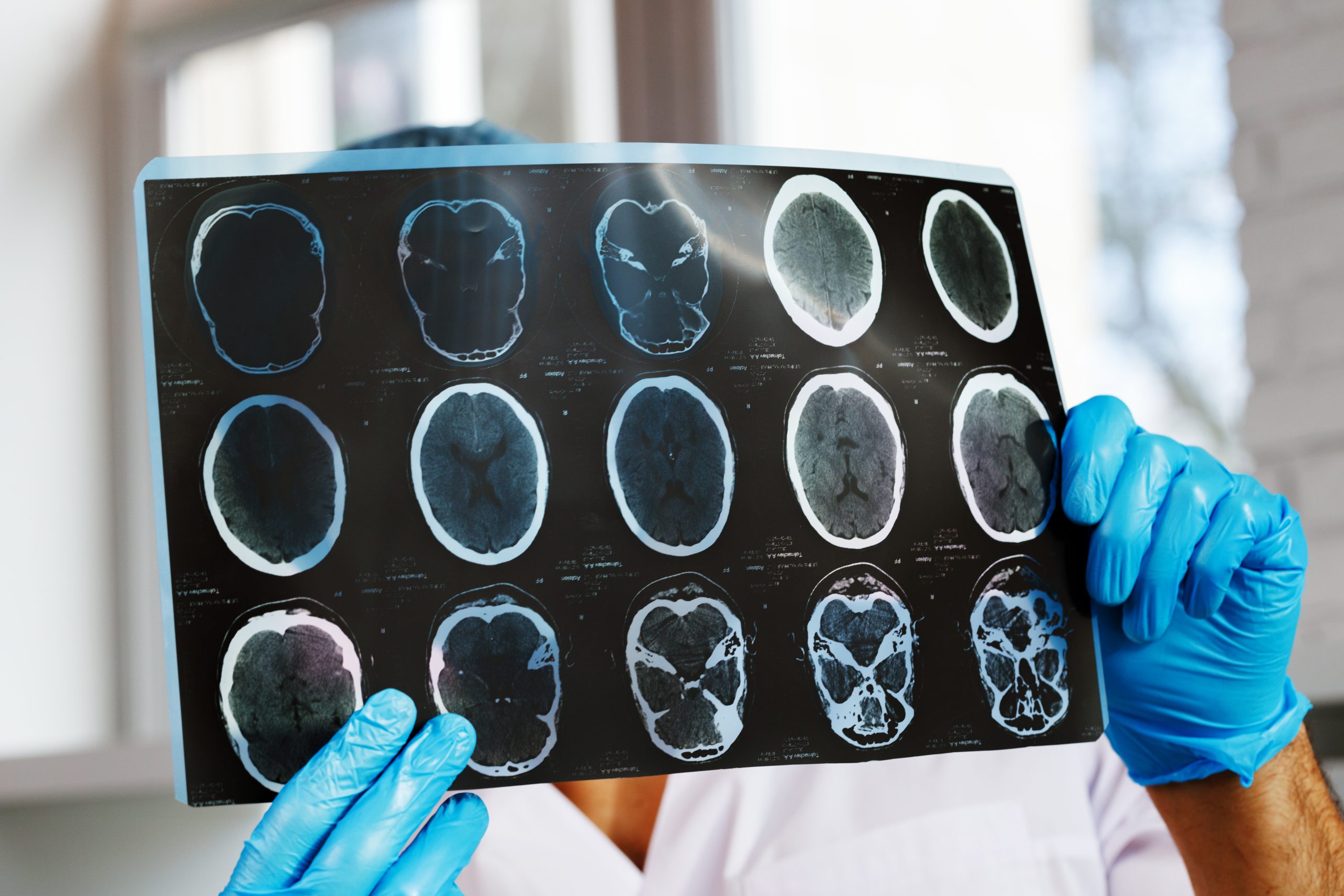
The diagnosis must be made promptly so that treatment can be initiated as soon as possible. Common diagnostic tests include:
- Computed tomography (CT).
- Magnetic resonance imaging (MRI).
- CT angiography (CTA) or MR angiography (MRA).
- Blood vessel imaging studies.
- Electrocardiogram (ECG) and echocardiogram to identify potential cardiac sources of embolism.
- Blood tests.
In some cases, brainstem infarctions can be difficult to detect on CT scans during the first few hours, so MRI may provide greater diagnostic accuracy.
Treatment
Treatment depends on the time elapsed since symptom onset and the underlying cause of the infarction.
Treatment options may include:
- Intravenous thrombolysis in selected patients.
- Mechanical thrombectomy when a large-vessel occlusion is present and the procedure is indicated.
- Management of blood pressure, blood glucose, and oxygenation.
- Antiplatelet or anticoagulant therapy when appropriate.
- Management of respiratory and cardiovascular complications.
Following the acute phase, rehabilitation plays a key role in helping patients regain as much functional ability as possible.
Rehabilitation
Recovery usually requires a multidisciplinary approach, which may include:
- Physiotherapy to improve mobility and balance.
- Occupational therapy to help regain independence in activities of daily living.
- Speech and language therapy to address swallowing and speech difficulties.
- Vestibular rehabilitation when dizziness persists.
- Psychological support for both the patient and their family.
Recovery varies from patient to patient and may continue for several months.
Prognosis
The prognosis depends on several factors, including:
- The extent of the infarction.
- How quickly treatment is initiated.
- The patient’s age.
- Pre-existing medical conditions.
- The development of complications.
Some people are able to recover a significant proportion of their functions, while others may experience permanent impairments affecting mobility, balance, speech, or swallowing.
Is it possible to prevent it?

Although not all cases can be prevented, the risk can be reduced by adopting healthy lifestyle habits:
- Keeping blood pressure under control.
- Managing diabetes effectively.
- Reducing high cholesterol levels.
- Not smoking.
- Engaging in regular physical activity.
- Maintaining a healthy weight.
- Following a balanced diet.
- Attending regular medical check-ups when cardiovascular risk factors are present.
Conclusion
Brainstem infarction is a medical emergency that can compromise vital functions within a very short period of time. Prompt recognition of symptoms and immediate medical attention increase the chances of receiving early treatment and improving the prognosis.
After the acute phase, a rehabilitation programme tailored to each patient’s individual needs is essential to promote functional recovery and improve quality of life.
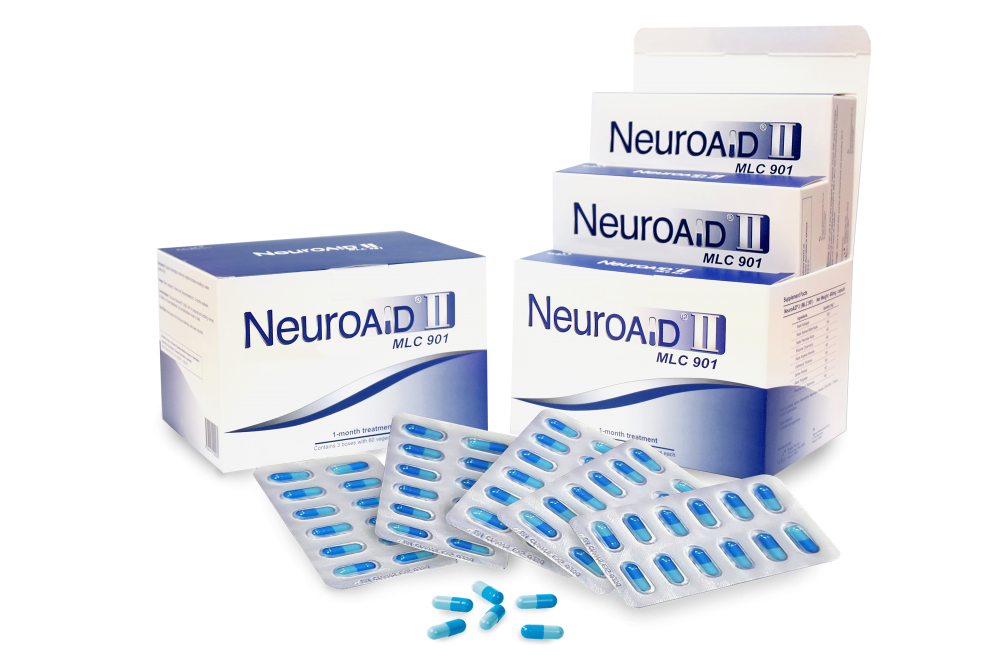
If you would like more information about NeuroAiD II, please complete this contact form
"*" indicates required fields


