


Thalamic infarction is a type of ischemic stroke that affects the thalamus, a deep brain structure that acts as a processing and relay center for sensory and motor information. Although it accounts for a relatively small proportion of strokes, it can cause a wide range of symptoms depending on the area of the thalamus affected.
Due to the complexity of this structure, a thalamic infarction can affect sensation, movement, memory, attention, or even the level of consciousness. Recognizing its symptoms and receiving immediate medical attention are essential to improving the prognosis.
What is a thalamic infarction?
A thalamic infarction occurs when an artery supplying the thalamus becomes blocked, preventing adequate blood flow to this region of the brain. The resulting lack of oxygen causes neuronal damage and the onset of neurological symptoms.
The thalamus is located in the central part of the brain and functions as a relay station that receives and distributes information between different areas of the brain. Through this role, it is involved in numerous processes related to sensory perception, movement, and various cognitive functions.
What functions does the thalamus perform?
Although it is primarily associated with sensory processing, the thalamus is involved in many other functions:
- Transmission of sensory information.
- Regulation of movement.
- Coordination of different brain networks.
- Attention and concentration.
- Memory and learning.
- Regulation of alertness.
- Pain processing.
When an infarction affects the thalamus, any of these functions may be impaired.
Symptoms of thalamic infarction
Symptoms vary depending on the vascular territory affected and the size of the lesion.
The most common manifestations include:
- Loss of sensation on one side of the body.
- Tingling or numbness.
- Severe central pain that may develop weeks or months later.
- Mild to moderate weakness.
- Balance problems.
- Difficulty coordinating movements.
- Visual disturbances.
- Memory or attention problems.
- Excessive drowsiness.
- Changes in behavior or level of consciousness.
In some patients, the predominant symptom is sensory impairment without significant loss of strength.
Thalamic pain syndrome
One of the best-known complications of thalamic infarction is central post-stroke pain syndrome, also known as Dejerine-Roussy syndrome.
This condition may develop weeks or months after the infarction and is characterized by:
- Persistent pain.
- Burning sensations.
- Hypersensitivity to touch.
- Pain triggered by normally non-painful stimuli.
- Unpleasant sensations that are difficult to describe.
Not all patients develop this syndrome, but when it occurs, it can significantly affect quality of life.
Causes of thalamic infarction
Thalamic infarction is usually caused by obstruction of the small deep arteries that supply the thalamus.
The main risk factors include:
- High blood pressure.
- Diabetes mellitus.
- High cholesterol.
- Smoking.
- Cerebral small vessel disease.
- Atrial fibrillation and other heart conditions.
- Advanced age.
Less commonly, it may be caused by abnormalities affecting larger arteries or by specific vascular diseases.
How is it diagnosed?
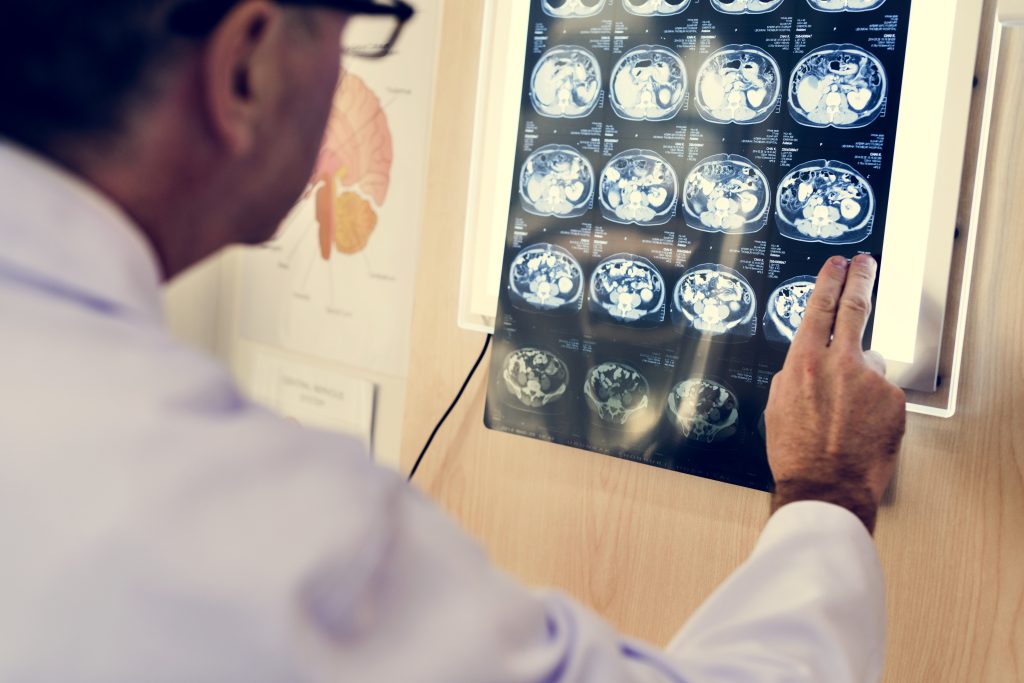
The diagnosis combines a neurological examination with imaging tests.
The most commonly used tests include:
- Computed tomography (CT).
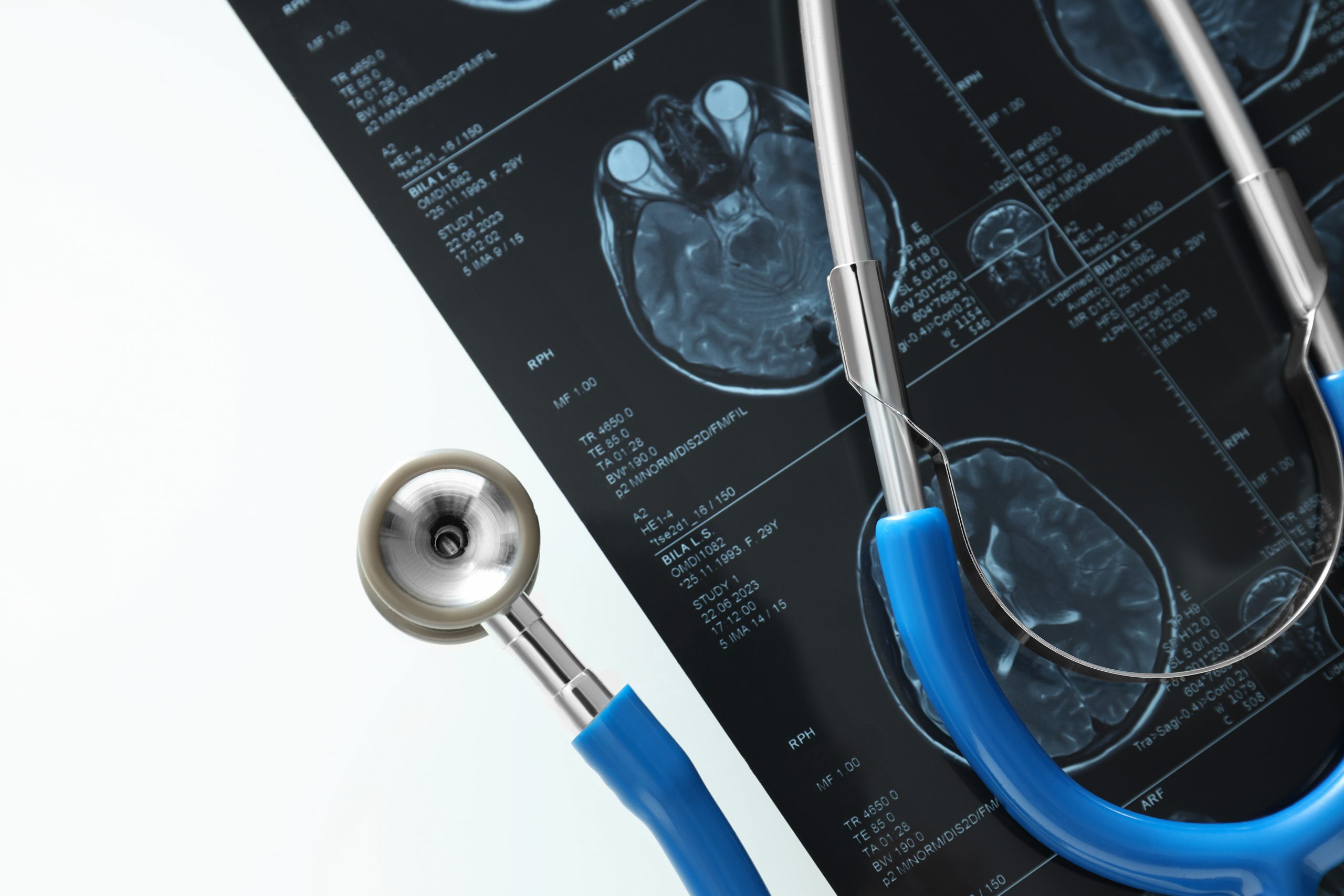
- Brain magnetic resonance imaging (MRI).
- CT angiography (CTA) or MR angiography (MRA).
- Cardiac investigations.
- Blood tests.
MRI is often particularly useful for detecting small infarctions located in the thalamus.
Treatment
Treatment depends on the time elapsed since symptom onset and the individual characteristics of each patient.
During the acute phase, treatments aimed at restoring blood flow may be used when the patient meets the established eligibility criteria.
Subsequent management typically includes:
- Blood pressure control.
- Cholesterol management.
- Diabetes management.
- Prevention of recurrent strokes.
- Individualized rehabilitation.
If central post-stroke pain develops, specific treatment tailored to the individual patient may be required.
Recovery after a thalamic infarction
Recovery varies considerably and depends on factors such as:
- The extent of the infarction.
- The specific area of the thalamus affected.
- The patient’s age.
- How quickly treatment was initiated.
- Early initiation of rehabilitation.
Many sensory disturbances improve progressively during the first few months, although some patients may experience long-term impairments.
Rehabilitation

The rehabilitation program is tailored to the patient’s specific impairments and may include:
- Physiotherapy to improve mobility and balance.
- Occupational therapy to help regain independence.
- Sensory retraining.
- Coordination exercises.
- Speech and language therapy when speech, language, or swallowing difficulties are present.
- Neuropsychological rehabilitation if cognitive problems develop.
Continuity of rehabilitation supports functional recovery and adaptation to activities of daily living.
Conclusion
Thalamic infarction is a type of stroke that affects a structure essential for the transmission of sensory information and the coordination of multiple brain functions. Its manifestations can range from sensory disturbances to problems with memory, balance, or persistent central pain.
Early recognition of symptoms, prompt treatment, and rehabilitation tailored to each patient’s needs are key factors in promoting recovery and reducing the impact of long-term impairments.
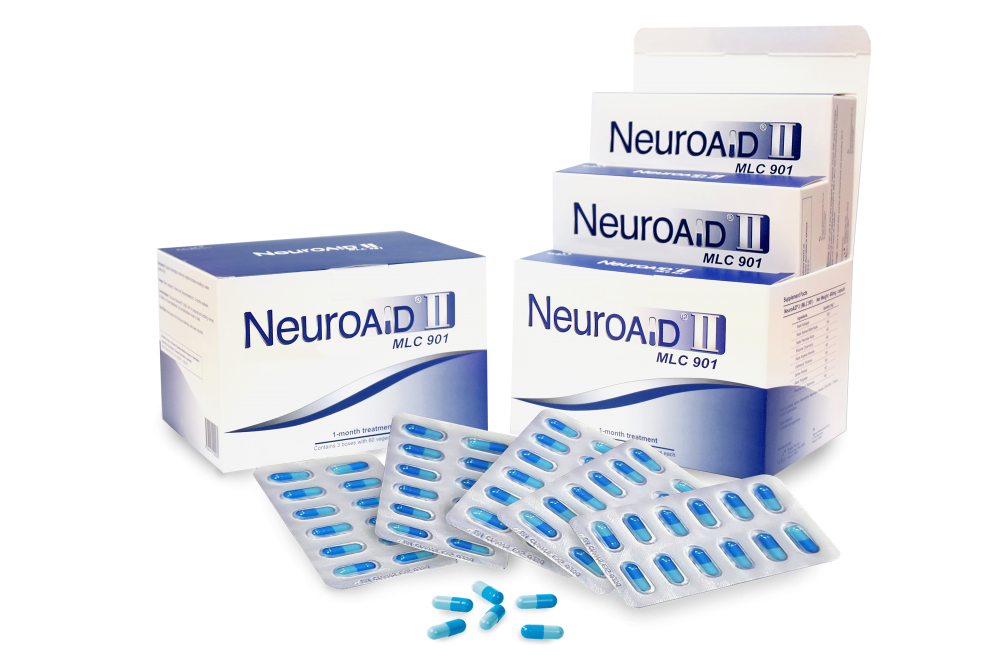
If you would like more information about NeuroAiD II, please complete this contact form
"*" indicates required fields


