



Cerebral small vessel disease is a condition that affects the small arteries, arterioles, capillaries, and small veins of the brain. Although it typically develops progressively and often causes no obvious symptoms in its early stages, it is one of the leading causes of lacunar strokes, cognitive impairment, and mobility problems in older adults.
With the increasingly widespread use of magnetic resonance imaging (MRI), this condition is being diagnosed more frequently, even in people who have never experienced a stroke. Understanding its causes, symptoms, and risk factors is essential for preventing future complications.
What is cerebral small vessel disease?
Cerebral small vessel disease (CSVD) encompasses a group of abnormalities that damage the small blood vessels responsible for supplying the deep regions of the brain.
When these vessels narrow, harden, or lose their ability to adequately carry blood, brain tissue receives less oxygen and nutrients. This process can cause small lesions that, as they accumulate over the years, affect normal brain function.
Many people have changes consistent with this condition without being aware of them, as it can progress slowly over many years.
What are the causes?
The most common cause is the progressive deterioration of the small blood vessels due to aging and various cardiovascular factors.
The main risk factors include:
- High blood pressure.
- Diabetes mellitus.
- High cholesterol.
- Smoking.
- Obesity.
- Physical inactivity.
- Chronic kidney disease.
- Advanced age.
- History of vascular disease.
Long-standing high blood pressure is considered one of the main contributors to damage to these small blood vessels.
Symptoms of cerebral small vessel disease
In many cases, the disease does not cause symptoms in its early stages and is detected incidentally during an MRI scan performed for another reason.
When clinical manifestations occur, they may include:
- Balance problems.
- Slow or unsteady gait.
- Difficulty concentrating.
- Slowed thinking.
- Memory problems.
- Mood changes.
- Mild weakness.
- Episodes of lacunar stroke.
- Urinary incontinence in advanced stages.
Symptoms typically develop gradually and progress over time.
Relationship with stroke
Cerebral small vessel disease is one of the most common causes of lacunar infarcts, small strokes that affect the deep structures of the brain.
Although each episode may appear relatively minor, the accumulation of multiple small infarcts can lead to significant difficulties with walking, speaking, thinking, or performing activities of daily living.
It also increases the risk of experiencing other types of stroke in the future.
How is it diagnosed?

Brain magnetic resonance imaging (MRI) is the most useful test for detecting this condition.
Findings that may be observed include:
- White matter lesions.
- Old lacunar infarcts.
- Cerebral microbleeds.
- Enlarged perivascular spaces.
- Brain atrophy in some patients.
The physician will also assess the patient’s medical history, neurological examination, and cardiovascular risk factors.
Treatment
There is currently no treatment capable of reversing damage that has already occurred in the small cerebral vessels. Therefore, the main goal is to slow disease progression and reduce the risk of further lesions.
The most important measures include:
- Strict blood pressure control.
- Appropriate management of diabetes.
- Cholesterol reduction when necessary.
- Smoking cessation.
- A balanced diet.
- Regular physical activity.
- Body weight management.
- Regular medical follow-up.
In certain patients, a specialist may prescribe antiplatelet therapy if there is a history of stroke or other vascular disease.
Can it affect memory?
Yes. Cerebral small vessel disease is one of the most common causes of vascular cognitive impairment.
People affected may experience:
- Slower information processing.
- Difficulty planning tasks.
- Attention problems.
- Memory impairment.
- Reduced processing speed.
When the damage is extensive, it may contribute to the development of vascular dementia.
Prognosis

The progression of the condition depends on the extent of brain involvement and how well the risk factors are controlled.
People who maintain well-controlled blood pressure, stop smoking, and adopt healthy lifestyle habits generally experience slower progression than those whose risk factors remain untreated.
Regular neurological follow-up allows clinical progression to be assessed and preventive measures to be adjusted when necessary.
Conclusion
Cerebral small vessel disease is a common condition that may go unnoticed for years but plays an important role in the development of lacunar strokes, cognitive impairment, and gait disorders. Early detection and management of cardiovascular risk factors are the most effective strategies for slowing its progression and preserving long-term brain health.
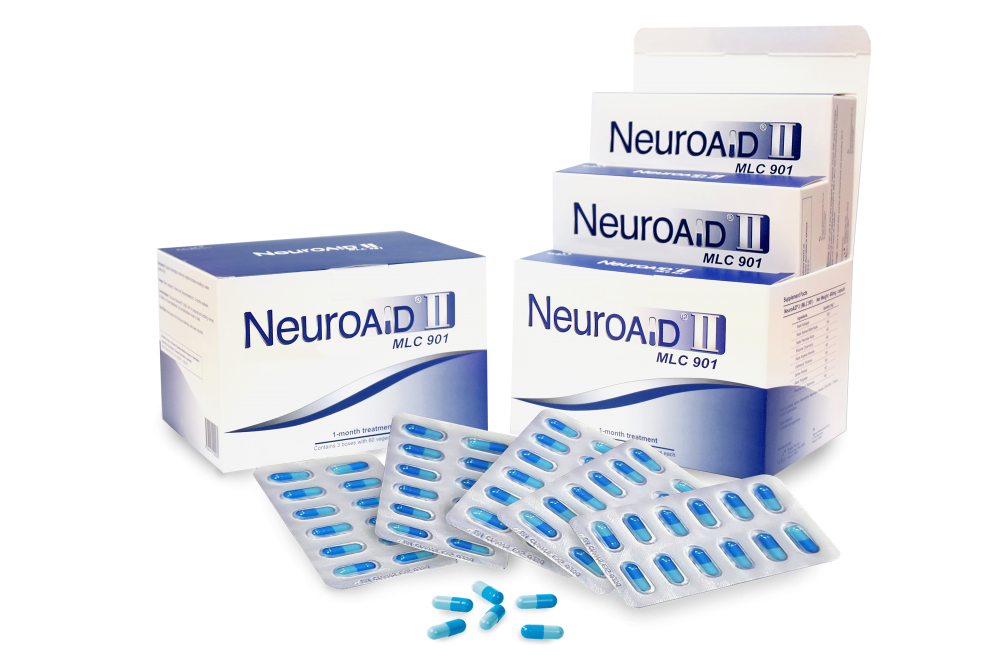
If you would like information about NeuroAiD II, please complete this contact form
"*" indicates required fields


