



Cerebral insular infarction is a rare type of stroke that affects a deep region of the cerebral cortex known as the insula. Although this structure is hidden between the frontal, temporal, and parietal lobes, it plays a fundamental role in functions such as pain perception, autonomic nervous system regulation, emotions, language, and the integration of sensory information.
Due to the wide range of functions it coordinates, an infarction in this region can produce highly variable symptoms that may sometimes be difficult to recognize.
What is a cerebral insular infarction?
A cerebral insular infarction occurs when blood flow is interrupted to this region of the brain, resulting in the death of affected neurons due to a lack of oxygen.
The insula is located deep within the lateral sulcus (Sylvian fissure) and receives its blood supply primarily from branches of the middle cerebral artery.
Although it is rarely affected in isolation, the insula may be damaged together with other brain regions supplied by this vascular territory.
What are the functions of the cerebral insula?
The insula is involved in numerous neurological and physiological processes.
Its main functions include:
- Integration of sensory information.
- Pain perception.
- Regulation of the autonomic nervous system.
- Control of heart rate and blood pressure.
- Emotional processing.
- Involvement in language.
- Taste perception.
- Body awareness.
Therefore, a lesion in this region can produce a wide range of clinical manifestations.
Causes
Most cerebral insular infarctions are caused by impaired blood flow in the middle cerebral artery.
The most common causes include:
- Arterial thrombosis.
- Cerebral embolism.
- Atherosclerosis.
- Arterial dissection.
- Small vessel disease.
- Coagulation disorders.
In many cases, the infarction also involves adjacent brain structures.
Symptoms of cerebral insular infarction
Clinical manifestations depend on the affected hemisphere and the extent of the lesion.
The most common symptoms may include:
- Weakness on one side of the body.
- Language disturbances.
- Sensory disturbances.
- Changes in pain perception.
- Dizziness.
- Taste disturbances.
- Difficulty coordinating movements.
- Emotional changes.
- Cardiac rhythm disturbances in some patients.
The combination of symptoms can vary considerably from one person to another.
Relationship with the autonomic nervous system
One of the most notable characteristics of the insula is its involvement in the regulation of the autonomic nervous system.
Several studies have shown that lesions in this region can affect functions such as:
- Heart rate.
- Blood pressure.
- Cardiovascular regulation.
- Stress response.
For this reason, some patients may experience cardiovascular disturbances in addition to the neurological symptoms associated with stroke.
How is it diagnosed?
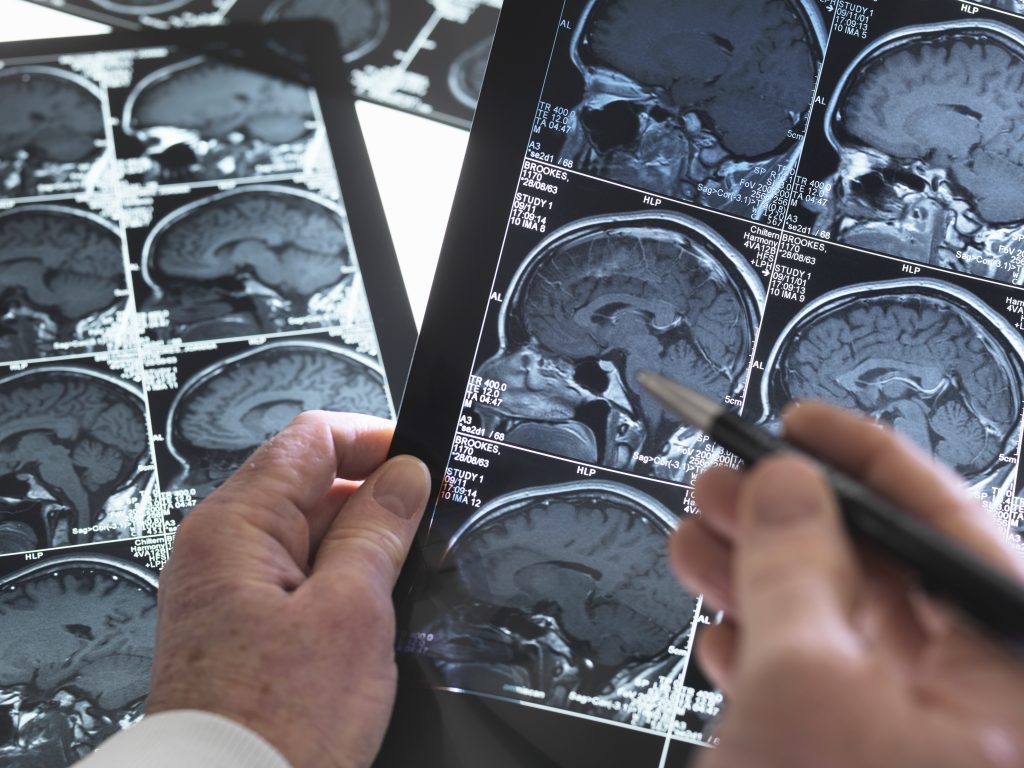
Diagnosis is based on neurological examination and neuroimaging studies.
The main diagnostic tools include:
- Brain magnetic resonance imaging (MRI).
- Computed tomography (CT).
- CT angiography (CTA).
- Magnetic resonance angiography (MRA).
- Vascular studies.
Magnetic resonance imaging is often particularly useful for identifying small lesions located in the insular cortex.
Treatment
Treatment depends on the underlying cause of the infarction and follows established protocols for ischemic stroke.
The goal is to preserve brain tissue, prevent further complications, and promote functional recovery through rehabilitation programs tailored to each patient’s individual needs.
Management should always be carried out under specialized medical supervision.
Prognosis

The outcome depends on several factors, including:
- The size of the infarction.
- The affected brain region.
- The speed of diagnosis.
- The treatment received.
- The presence of other associated lesions.
Many patients experience partial or significant recovery, although some neurological deficits may persist depending on the extent of brain damage.
Conclusion
Cerebral insular infarction affects a deep region of the brain involved in motor, sensory, emotional, and autonomic functions. Due to the wide range of clinical manifestations it can produce, recognizing this type of stroke is important for understanding the origin of certain symptoms following a stroke and for more accurately localizing the brain lesion.
If you would like more information about NeuroAiD II, please complete this contact form.
"*" indicates required fields


